Brand Loyalty in Medications: Why Patients Prefer Brands Over Generics
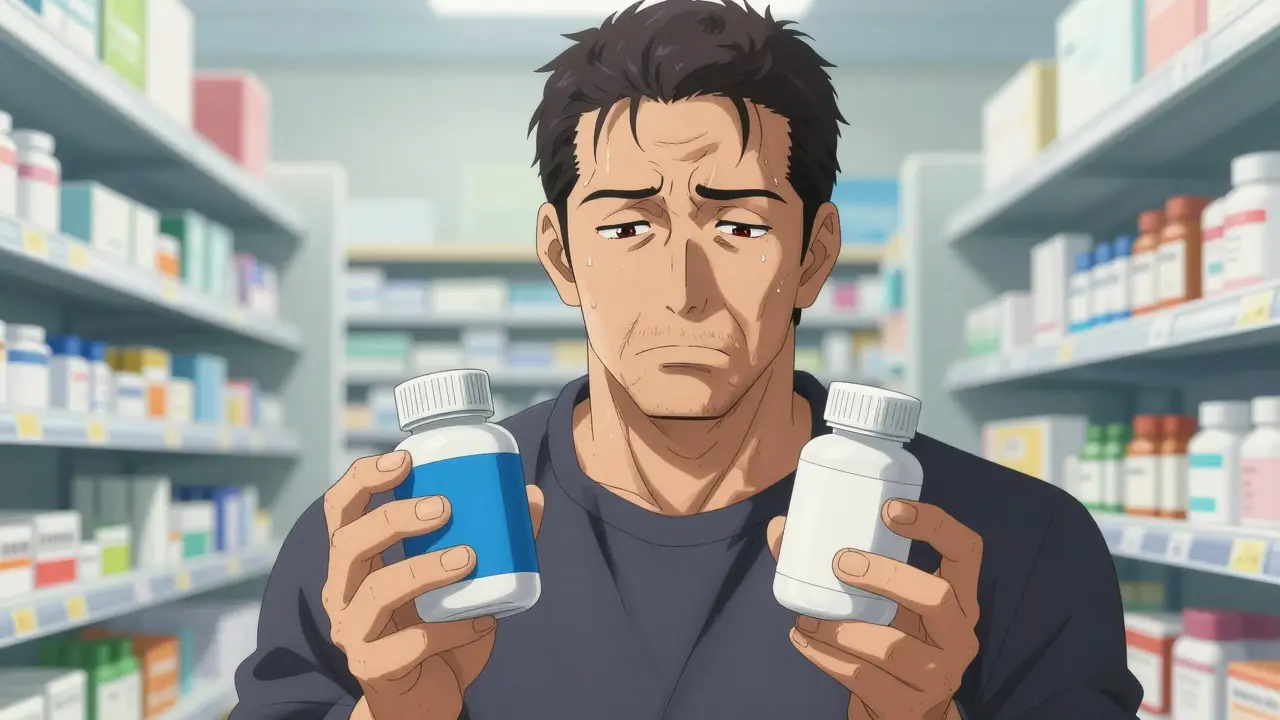
Explore why patients stick to brand-name medications despite cheaper generics. We break down the psychology, trust factors, and medical reasons behind this persistent preference.
Explore why patients stick to brand-name medications despite cheaper generics. We break down the psychology, trust factors, and medical reasons behind this persistent preference.
Explore how batch-to-batch variability impacts bioequivalence assessments. Learn about current FDA/EMA limits, the flaws in single-batch testing, and the emerging Between-Batch Bioequivalence standards.

Negative expectations about generic drugs can trigger real physical symptoms - even when the medication is chemically identical to the brand-name version. This is the nocebo effect, and it’s costing billions in avoidable healthcare spending.
Authorized generics offer brand-name drug effectiveness at generic prices. Learn how insurers place them in formularies, why they're often denied, and how patients and providers can get the most out of this underused cost-saving option.
Generic drugs now make up over 90% of U.S. prescriptions, saving billions annually. Their rise began with deadly failures, led by the Hatch-Waxman Act, and continues amid supply chain and pricing challenges.
The FDA ensures generic drugs are as safe and effective as brand-name drugs through a strict bioequivalence process. Learn how the ANDA system works, why generics cost less, and how the agency maintains quality across global manufacturing sites.