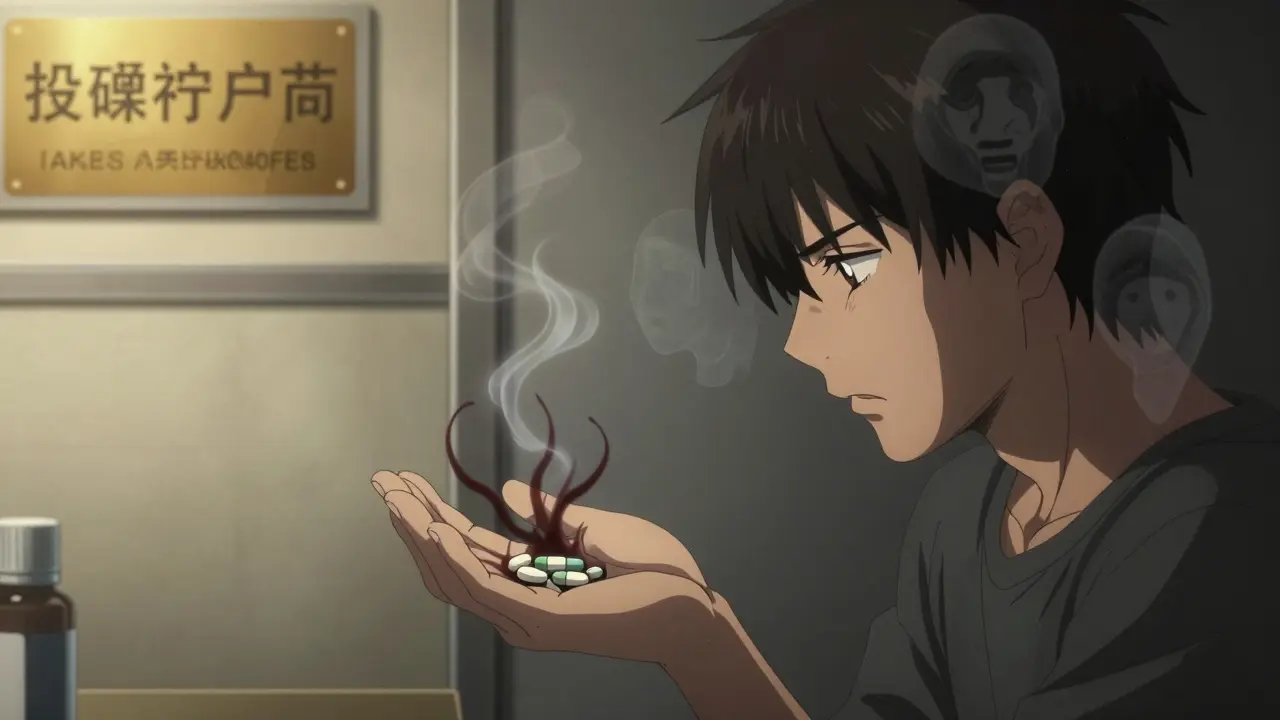
When you switch from a brand-name pill to a generic version, your body doesn’t change - but your mind might. And that’s where things go wrong. You might start feeling headaches, nausea, or muscle pain. But here’s the twist: the generic drug has the exact same active ingredients as the brand-name one. The difference isn’t in the chemistry. It’s in your expectations.
What the Nocebo Effect Really Is
The nocebo effect isn’t imagination. It’s real. When you expect something bad to happen - like side effects from a generic medication - your brain can actually trigger those symptoms. The word comes from Latin: nocebo means "I shall harm." It’s the dark twin of the placebo effect, where positive beliefs make treatment work better. But here, negative beliefs make you feel worse - even when nothing has changed medically. Studies show that in clinical trials, about 1 in 5 people taking a sugar pill report side effects. About 1 in 10 drop out completely because they think the medicine is making them sick. And when those people are switched to a generic version of a drug they’ve been taking for years, the numbers jump. Why? Because they’ve been told - directly or indirectly - that generics are "inferior," "cheaper," or "not the same."How Your Brain Turns Normal Sensations Into Side Effects
Your body is always sending signals: a slight ache here, a bit of fatigue there, a change in mood. Normally, you ignore them. But when you’re told a new pill might cause muscle pain, your brain starts scanning for it. Suddenly, that normal post-workout soreness? It’s the generic. That tired feeling after a long day? Must be the new tablet. Research on statins proves this. In double-blind trials, people taking real statins and people taking sugar pills reported muscle pain at nearly identical rates. The drug itself wasn’t causing it - the expectation was. One study found that 45% of patients who switched to a generic statin and reported muscle pain still felt it even after going back to the brand-name version. The pain didn’t vanish because the drug changed. It vanished because their belief changed. The same thing happens with antidepressants. When patients were switched to generics without explanation, 32% reported new side effects. In the control group, told the switch was safe and effective, only 12% did. That’s a 20-point gap - all from how the switch was framed.Doctors, Media, and the Power of Suggestion
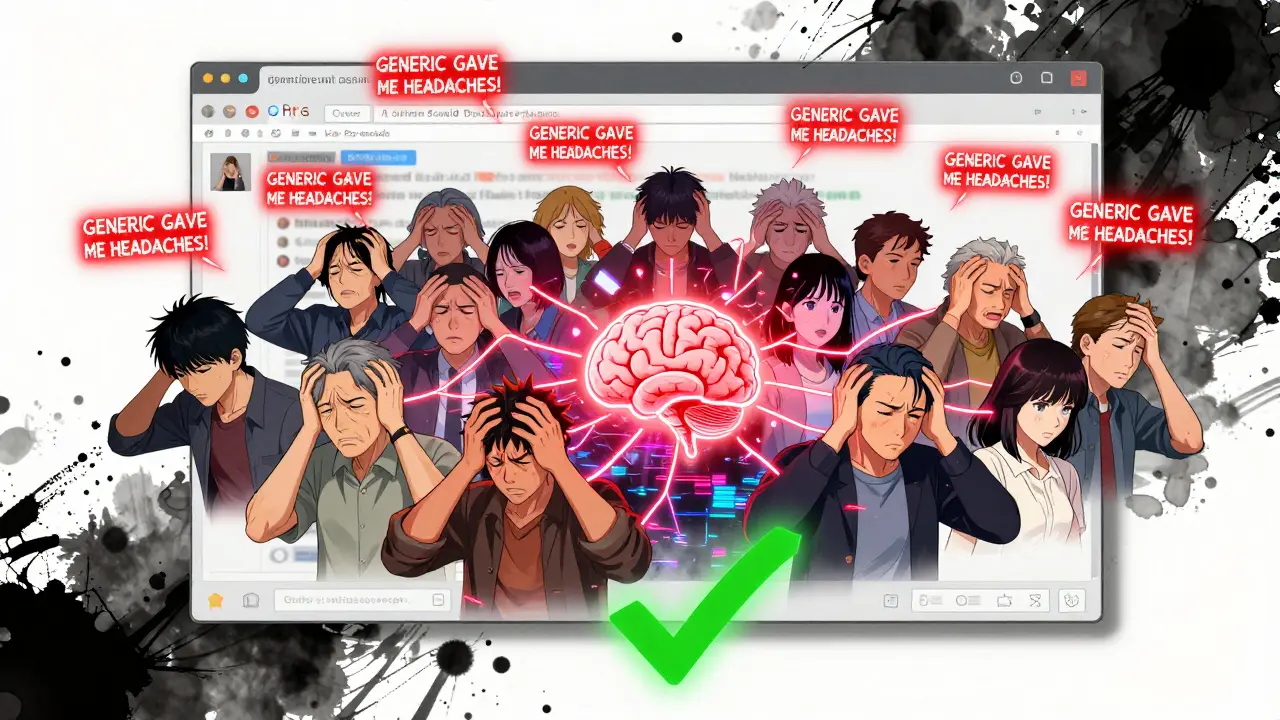
It’s not just patients. Doctors sometimes unintentionally fuel the nocebo effect. Saying things like, "This is a generic, so it might not work as well," or "I know you’re used to the brand, but this is the only one covered," plants doubt. A 2019 study found that using language that highlights differences between brand and generic drugs increases reported side effects by 65%. That’s not just careless wording - it’s clinical harm. Media coverage makes it worse. In New Zealand, when the country switched patients from a brand-name antidepressant to a generic version, initial reports of side effects were normal. Then the news ran stories warning about "potential problems" with the switch. Within weeks, reports of adverse effects spiked - even though the drug hadn’t changed. The media didn’t cause a new chemical reaction. It triggered a psychological one. Even Reddit threads and online forums play a role. Patients write: "I switched to generic and got awful headaches." Others read it, worry, and then start feeling headaches themselves - even if they’re on a different drug. This is social nocebo: fear spreads like a virus through shared stories.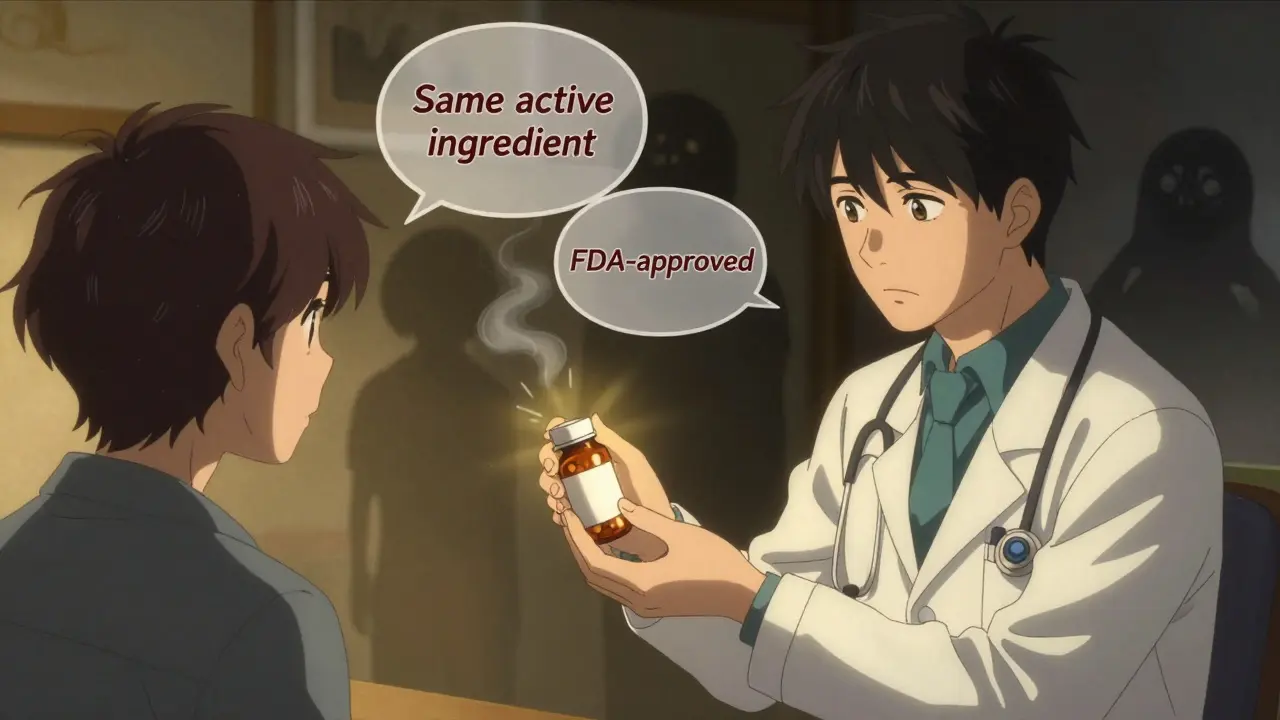
Why This Costs Billions - And Hurts Real People
Generic drugs make up 90% of all prescriptions in the U.S., but only cost 24% of total drug spending. That’s how we keep healthcare affordable. But when patients stop taking generics because they think they’re ineffective or dangerous, they go back to expensive brand-name versions. Or they stop taking medication altogether. A 2021 study in JAMA Internal Medicine estimated that nocebo-driven discontinuation of generics costs the U.S. healthcare system $1.2 billion a year. That’s not just money. It’s people with uncontrolled high blood pressure, diabetes, or depression because they stopped their meds - not because the drug failed, but because they believed it would. The World Health Organization lists "negative perceptions about generic medicines" as a top barrier to medication adherence in 67% of countries. That’s not a small issue. It’s a global public health problem.How to Fight the Nocebo Effect - And What Works
The good news? You can stop it. And it doesn’t require new drugs or fancy tech. It just requires better communication. Healthcare providers who are trained to talk about generics differently see a 28% drop in patient-reported side effects. Here’s what works:- Don’t say "This is a generic." Say "This is the same medicine, just less expensive."
- Emphasize equivalence: "It has the same active ingredient, same dose, same FDA approval."
- Explain bioequivalence: "It’s tested to work the same way in your body."
- Use positive framing: "This will save you money without changing how well it works."
What’s Next? AI, Genetics, and Personalized Messaging
Scientists are now looking at how to personalize communication to stop the nocebo effect before it starts. A 2023 trial in The Lancet Digital Health tested an AI tool that adjusted the way it explained generics based on a patient’s past beliefs and anxiety levels. It cut nocebo responses by 41% compared to standard scripts. Early research at Harvard suggests some people might be genetically more prone to nocebo effects - variations in the COMT gene could make someone more sensitive to negative suggestions. That could mean future care will be tailored not just to your condition, but to how your brain responds to information. By 2025, Deloitte predicts 75% of healthcare systems will have formal nocebo mitigation strategies. That’s progress. But it starts with one conversation.What You Can Do Right Now
If you’re switching to a generic:- Ask your pharmacist or doctor: "Is this the same as my old pill?"
- Don’t assume side effects are from the drug. Wait a few days. Are you sleeping better? Eating normally? If yes, your body might just be adjusting.
- Avoid online forums right after switching. Don’t search "generic side effects" - it’ll make you notice things you didn’t before.
- If you feel worse, don’t assume it’s the medication. Talk to your provider. They can help you tell if it’s the drug, your expectations, or something else.
- Use neutral, positive language. No "but," no "instead," no "this is cheaper."
- Reassure. Say: "This works just like the brand. Many people take it without issues."
- Don’t apologize for switching. Frame it as smart, responsible care.
Final Thought: Your Mind Is Part of the Medicine
Medicine isn’t just chemistry. It’s communication. It’s trust. It’s expectation. The nocebo effect reminds us that the mind doesn’t just react to drugs - it shapes how they work. A generic pill isn’t weaker. But if you believe it is, your body will act like it is. The solution isn’t to stop using generics. It’s to stop selling them like they’re second-rate. They’re not. They’re the same. And they’re saving lives - if we let them.Can generic drugs really cause side effects just because you expect them to?
Yes. The nocebo effect means negative expectations can trigger real physical symptoms - even when the drug is chemically identical to the brand-name version. Studies show people report muscle pain, headaches, and nausea after switching to generics, even when they’re taking sugar pills. The cause isn’t the drug - it’s the belief.
Why do doctors sometimes say things that make the nocebo effect worse?
Many doctors aren’t trained in communication psychology. Phrases like "This is a generic" or "It’s cheaper" can unintentionally imply lower quality. Even saying "We had to switch" makes patients feel like they’re getting something second-best. Research shows using neutral, positive language cuts side effect reports by nearly 40%.
Is the nocebo effect the same as the placebo effect?
They’re opposites. The placebo effect improves outcomes through positive expectations - like feeling better after taking a sugar pill because you believe it works. The nocebo effect worsens outcomes through negative expectations - like feeling sick after taking a real drug because you believe it will make you sick. Both are real, measurable, and powerful.
Do regulatory agencies recognize the nocebo effect in generics?
Yes. Both the FDA and the European Medicines Agency have issued official guidance requiring patient information for generics to avoid language that might create negative expectations. They now recommend focusing on equivalence - not differences - and using clear, reassuring language.
How can I tell if my side effects are real or just from the nocebo effect?
It’s not always easy. But if you started feeling symptoms right after switching to a generic - especially if they’re common, mild, or unrelated to the drug’s known side effects - it could be the nocebo effect. Try tracking symptoms for 1-2 weeks. If they don’t worsen or if they improve over time, it’s likely psychological. Talk to your provider before stopping the medication.
Are there any long-term health risks from the nocebo effect?
Yes. The biggest risk is treatment discontinuation. If you stop taking a life-saving medication - like a blood pressure pill or antidepressant - because you think the generic doesn’t work, you’re putting your health at risk. Nocebo-driven non-adherence contributes to hospitalizations, disease progression, and higher long-term costs. It’s not just discomfort - it’s preventable harm.




Comments (15)
Gina Beard
It's not that generics don't work. It's that we've been conditioned to see cheaper as broken. The mind is the most powerful drug we carry-and we're dosing ourselves with doubt every time we hear "generic".
Juan Reibelo
I switched to a generic statin last year-thought I'd get muscle pain. Didn't. Then I read a Reddit thread about people "hating" the generic-and suddenly my knees felt weird. It was all in my head. I stopped reading forums. Pain went away. Mind is wild.
Josh McEvoy
bro. i switched to generic adderall. felt like a zombie. turned out i was just stressed. but now i won't touch generic anything. 🤯💊
Heather McCubbin
Doctors are the problem. They say "this is cheaper" like it's a confession. Like they're embarrassed to give you the real medicine. No wonder people panic. It's not the pill-it's the shame wrapped around it.
Tiffany Wagner
I never thought about this before but it makes so much sense. I had a bad reaction to a generic antidepressant and blamed the drug. Turns out I was going through a breakup and just projected everything onto the pill. So embarrassing. But also… kind of freeing?
Darren Links
Of course generics are inferior. The FDA lets them through because Big Pharma pays off regulators. You think they care if you get headaches? They want you addicted to the brand name. This is control. This is capitalism.
Kevin Waters
My wife is a pharmacist. She says the same thing every time: "The active ingredient is identical. The fillers are FDA-tested. The only difference is the logo on the pill." She’s helped hundreds of patients stop worrying. Just say it like you mean it-and mean it.
Jamie Hooper
ive been on generic blood pressure meds for 5 yrs. never had an issue. then my bro told me "they use chinese fillers" and now i swear i feel dizzy. its all in my head. i hate that my brain does this
Husain Atther
In India, generics are the only option for most. We don't have the luxury of brand names. Yet, adherence is high because doctors say: "This is the same medicine. It works. It's just less expensive." No drama. No fear. Just facts. Perhaps we've been doing it right all along.
siva lingam
so you're telling me my headache is because i read a reddit post? wow. next you'll say my cancer is a thought experiment
Shelby Marcel
wait so if i think i’m gonna feel sick from the generic… i will? like literally? even if i’ve never had side effects before? this is insane
Sushrita Chakraborty
As someone from India, where 95% of prescriptions are generics, I find this deeply validating. Our healthcare system relies on affordability-and yet, the stigma persists even here. We must reframe the narrative: not "cheap", but "accessible science". The body responds to trust, not price tags.
Shanta Blank
Oh my god. I just realized-I’ve been the villain. I posted on Reddit about how my generic made me feel like a zombie. I didn’t know I was gaslighting everyone else. Now I’m terrified I’ve made people sick with my words. I’m deleting my post. I’m so sorry.
Himanshu Singh
This is why I always tell my patients: "Your mind is your co-doctor." If you believe the medicine is working, it’s already helping. If you believe it’s failing, you’re sabotaging it before it even begins. Trust isn’t soft-it’s science.
Helen Leite
they're putting microchips in the generics. that's why they're cheaper. they track your brainwaves. i read it on a forum. i'm switching back to brand name. 🕵️♀️💊