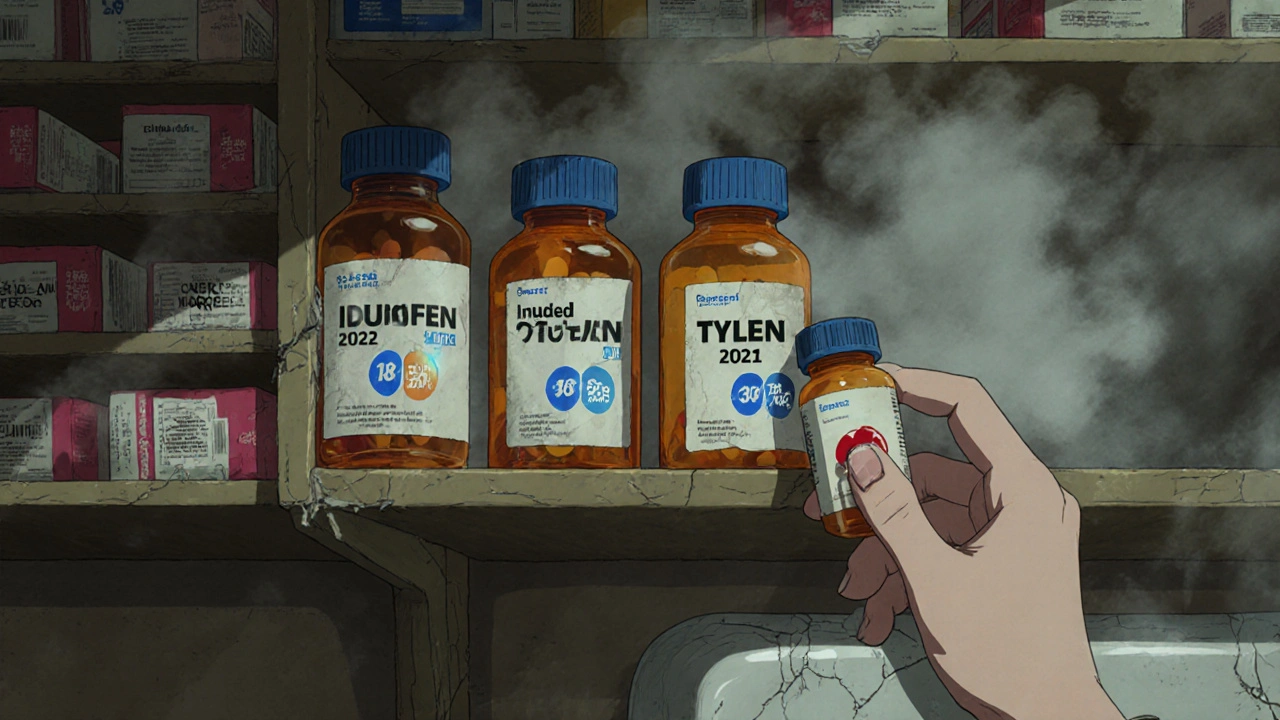
Most of us have a drawer or cabinet full of old pills we never got around to throwing away. That bottle of ibuprofen from last winter? The antihistamine you bought during allergy season two years ago? You might think, It’s probably still fine. And maybe it is. But here’s the real question: is it safe-and more importantly, will it even work?
What Does an Expiration Date Actually Mean?
The expiration date on your OTC medicine isn’t just a marketing trick or a way for drug companies to sell you more bottles. It’s the last day the manufacturer guarantees the drug will work as intended and remain safe to use. That’s a requirement set by the U.S. Food and Drug Administration since 1979. They don’t pick these dates randomly. They test the medicine under controlled conditions-heat, humidity, light-to see how long it stays stable.
Most pills and capsules have a shelf life of 1 to 5 years from when they were made. But that doesn’t mean they suddenly turn toxic or useless the day after. In fact, studies show many solid medications like ibuprofen and acetaminophen retain 85% to 90% of their potency even 1 to 2 years past their expiration date-if stored properly in a cool, dry place.
Which Medications Are Risky to Use After Expiration?
Not all expired meds are created equal. Some are fine. Others could put you in danger.
Eye drops are one of the biggest red flags. Once they expire, the sterile solution can grow bacteria. Studies show 72% of expired eye drops become contaminated within just three months. Using them can lead to serious eye infections-even vision loss. Don’t risk it.
Liquid medications like cough syrups or children’s suspensions are also risky. They’re more prone to chemical breakdown and bacterial growth. One study found 43% of expired liquid medicines showed signs of contamination within six months. If it looks cloudy, smells weird, or has particles floating in it, throw it out.
Antibiotics are another major concern. While most expired antibiotics won’t make you sick directly, they can lose potency. That means they might not kill all the bacteria. The survivors? They become stronger. This contributes to antibiotic resistance-a growing global health crisis. In the past, expired tetracycline was linked to kidney damage, and while modern versions are safer, the risk of treatment failure is still real.
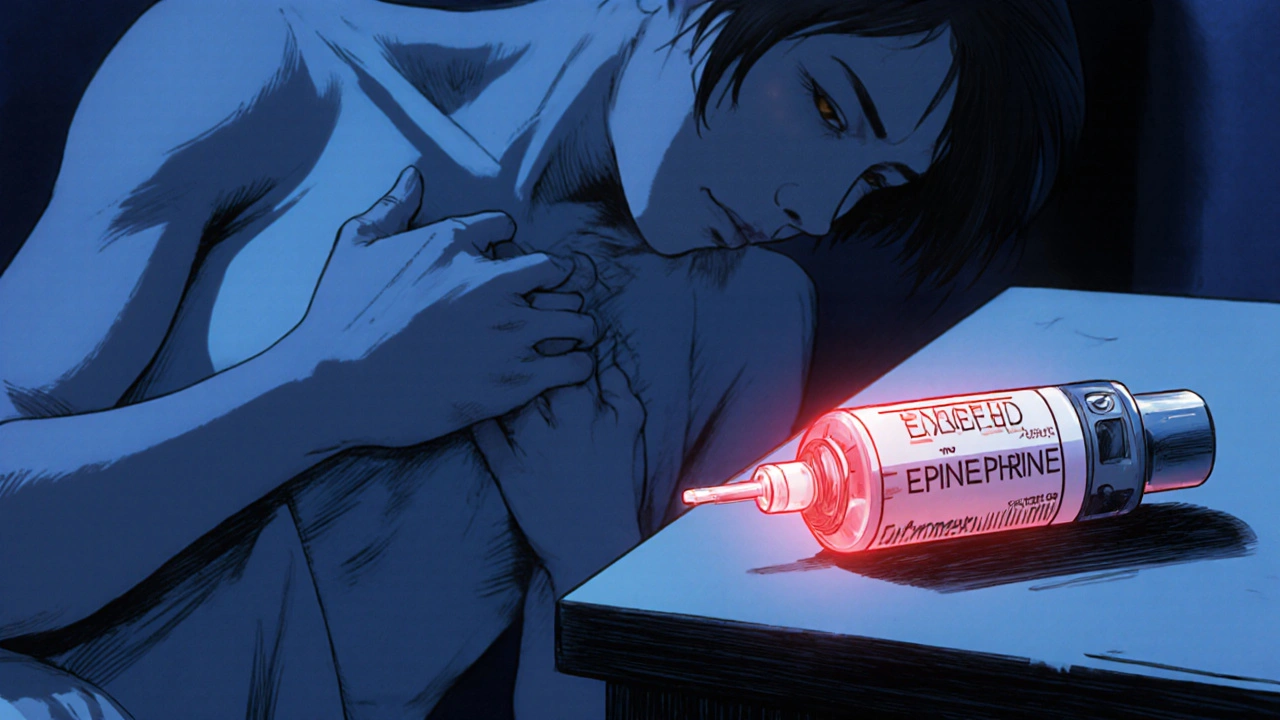
And then there’s the critical meds you might not think about: nitroglycerin for chest pain, epinephrine auto-injectors for severe allergies, insulin for diabetes. These aren’t just “might not work”-they can be life-or-death. If your epinephrine pen is expired, you’re gambling with your life. Replace it immediately.
Which Ones Are Probably Still Fine?
Here’s the good news: a lot of common OTC drugs are surprisingly stable.
Ibuprofen (Advil) and acetaminophen (Tylenol) are the most studied. Harvard Medical School tested hundreds of tablets stored in original packaging at room temperature. Eighty-eight percent still had over 90% potency two years after expiration. If your painkiller is a few months past its date and looks normal, it’s likely still doing its job.
Loratadine (Claritin) and other antihistamines also hold up well. Lab tests show they can remain effective for 3 to 5 years beyond the printed date, as long as they’re kept dry and cool. That’s why so many people report using expired Claritin without issue.
Even aspirin-which breaks down into vinegar-like compounds over time-mostly just loses strength. It won’t hurt you, but if it smells like vinegar, it’s probably not doing much for your headache anymore.
Storage Matters More Than You Think
The biggest factor in whether your expired meds still work? Where you store them.
Keeping pills in the bathroom? Bad idea. Heat and moisture destroy medicine faster. The FDA says storing medications above 30°C (86°F) causes potency loss up to 300% faster than keeping them at 25°C (77°F). That’s why a cool, dark drawer is better than a steamy bathroom cabinet.
Original packaging also makes a huge difference. Pills kept in their sealed blister packs or original bottles last 40% longer than those dumped into a random container. Why? Because the original packaging is designed to block light, moisture, and air-three things that degrade drugs.
Look at your meds. If the bottle is cracked, the pills are discolored, or the liquid is separated, don’t use it. Trust your eyes. If it looks off, it probably is.
What Do Experts Really Say?
There’s no single answer. Pharmacists and doctors give different advice depending on the situation.
Some, like Kristie Coots, a pharmacy manager, stick to the official line: “Always follow the expiration date.” That’s the safest approach, especially if you’re managing a chronic condition or taking multiple meds.
Others, like Dr. Pace from Harvard, say context matters: “It may be fine to take an allergy medication that’s a month past its expiration date. But there is some risk in taking a heart rhythm medication that’s expired.” That’s practical advice. If you’re out of your regular antihistamine and your nose is running, using one that’s 2 months past expiry is probably okay-until you can get a new bottle.
The FDA, however, still says this: “Once the expiration date has passed, there is no guarantee the medicine will be safe and effective.” They’re not wrong. They’re just being cautious. Their job is to protect everyone, not just the people who store their meds properly.
What Should You Do When You Find Expired Meds?
Don’t panic. Don’t flush everything. Just be smart.
- For solid pills (ibuprofen, Tylenol, antihistamines): If they’re only a few months past expiry, look good, smell normal, and you’re using them for something minor like a headache or allergy-go ahead. But replace them soon.
- For liquids, eye drops, or injectables: Toss them. No exceptions.
- For critical meds (epinephrine, nitroglycerin, insulin): Replace immediately. Don’t wait.
- For antibiotics: Never use them past expiry. Even if you think you “just need a little.”
When you’re ready to dispose of expired meds, don’t just throw them in the trash. Mix pills with coffee grounds or cat litter in a sealed bag. That keeps kids and pets from finding them. Some opioids require flushing-check the label or ask your pharmacist.
Why Do So Many People Keep Expired Meds?
Turns out, 68% of U.S. households have expired medications sitting around. Why? Convenience. Cost. Fear of wasting money. You bought that bottle of Tylenol on sale. You don’t want to throw it out. You think, It’s probably still good.
But here’s the cost you’re not seeing: $765 million a year is spent replacing pills that are still potent-just past their date. Meanwhile, $1.2 billion is spent treating infections and complications because people used weak, expired antibiotics or painkillers that didn’t work.
It’s not about being perfect. It’s about being smart. Keep your meds organized. Check expiration dates once a year. Toss the risky ones. Keep the safe ones-but replace them before you need them in a hurry.
What’s Changing in the Future?
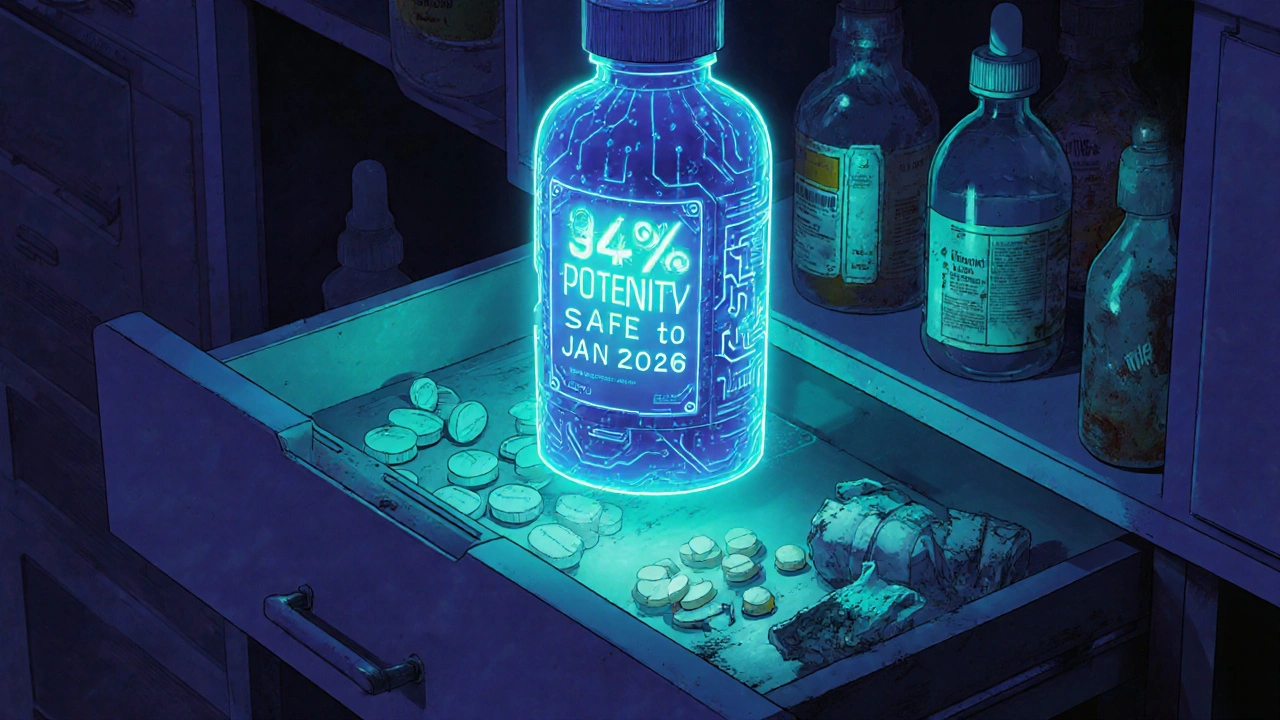
Pharmaceutical companies are starting to build smarter packaging. Some new bottles have tiny sensors that change color if the medicine inside degrades. Others track temperature history. The University of Florida tested these in 2023 and found they predicted potency with 92% accuracy.
Imagine a future where your medicine bottle tells you: “Still 94% effective. Safe to use until January 2026.” That’s not science fiction-it’s coming.
For now, though, you’re stuck with the printed date. So use your judgment. Know what’s safe. Know what’s risky. And when in doubt? Replace it. Your health isn’t worth gambling over.
Is it dangerous to take expired ibuprofen or Tylenol?
Taking expired ibuprofen or Tylenol is rarely dangerous-but it might not work as well. Studies show these medications often retain 85-90% of their potency up to two years past the expiration date if stored properly. They won’t turn toxic, but if your headache or fever doesn’t improve, it’s likely the pill has lost strength. Replace it if you need full effectiveness.
Can expired allergy medicine still work?
Yes, many antihistamines like loratadine (Claritin) and cetirizine (Zyrtec) remain effective for 3 to 5 years beyond their printed date, especially if kept in a cool, dry place. User reports and lab tests confirm this. If your nose is still running after taking an expired pill, it’s probably not the medicine-it’s the allergy.
What happens if I take expired antibiotics?
Expired antibiotics won’t usually poison you, but they may not kill all the bacteria. This can lead to a lingering infection or even antibiotic resistance-where bacteria become immune to treatment. That’s why doctors never recommend using antibiotics past their expiration date, even for minor symptoms.
Are eye drops safe to use after they expire?
No. Expired eye drops are a serious risk. Studies show 72% become contaminated with bacteria within three months of expiration. Using them can cause eye infections, corneal ulcers, or even permanent vision damage. Always throw them out on the expiration date.
How should I dispose of expired medications?
For most OTC pills, mix them with coffee grounds or cat litter in a sealed bag before throwing them in the trash. This prevents pets or children from eating them. For certain opioids, the FDA recommends flushing them down the toilet to prevent misuse. Always check the label or ask your pharmacist for the safest disposal method.

Comments (14)
Rachael Gallagher
Stop being so weak. If you can't afford new meds, you shouldn't be taking them at all. America's too soft. Just throw it out and buy new. No excuses.
steven patiño palacio
It's important to distinguish between potency loss and actual danger. Most solid OTC medications remain safe and functional well beyond their printed dates, especially when stored properly. The real issue is misinformation - not the pills themselves.
stephanie Hill
Did you know the FDA and Big Pharma collude to make expiration dates short? They want you buying new bottles every year. I’ve taken expired insulin for five years and I’m still alive. Coincidence? I think not. 😏
Akash Chopda
The government lies about everything. Expiration dates are fake. I take all my meds from 2015. No one dies. They just want you scared
Nikki C
I keep my meds in a drawer away from the sink. My Tylenol from 2021 still works fine. I’m not a lab rat but I’m not reckless either. Use your head.
Alex Dubrovin
Just checked my cabinet. Got three bottles of ibuprofen older than my last relationship. All look fine. I’m not gonna toss money like that. If it doesn’t kill me now, it won’t kill me later.
Jacob McConaghy
There’s a middle ground here. Don’t be a hero with expired epinephrine, but also don’t treat every pill like it’s radioactive. Storage matters more than the date on the label. A cool dark place = longer life. Bathroom = death trap.
Natashia Luu
It is utterly irresponsible to suggest that expired medications are acceptable under any circumstances. The FDA’s guidelines exist for a reason. To disregard them is to endanger not only oneself, but the entire public health infrastructure. Shame on those who normalize this behavior.
akhilesh jha
In India, we often use medicines past expiry. No one checks dates. But we also don’t have access to pharmacies every week. Is it safe? Maybe not. But what choice do we have?
Jeff Hicken
my head hurts so i took my 3 year old advil. it worked. so what? i dont care about science. i care about not paying 12 bucks for a bottle that does the same thing as the one i already own
Vineeta Puri
Thank you for this thoughtful and well-researched post. It is vital that we approach medication use with both caution and compassion. For those with limited resources, understanding which medications are safer to extend is a form of health equity.
Victoria Stanley
I’m a pharmacist and I tell my patients: if it’s a painkiller or antihistamine, and it’s been stored right, a few months past expiry is usually fine. If it’s liquid, eye drops, or life-saving - toss it. No gray area there. Also, keep them in original packaging. It makes a huge difference.
Andy Louis-Charles
Just bought a new epinephrine pen yesterday. My old one expired 8 months ago. I was too lazy to replace it. 😅 Lesson learned. Don’t be like me.
Douglas cardoza
So if my tylenol is 2 years old but still looks good, i can just take it? sounds like a yes to me