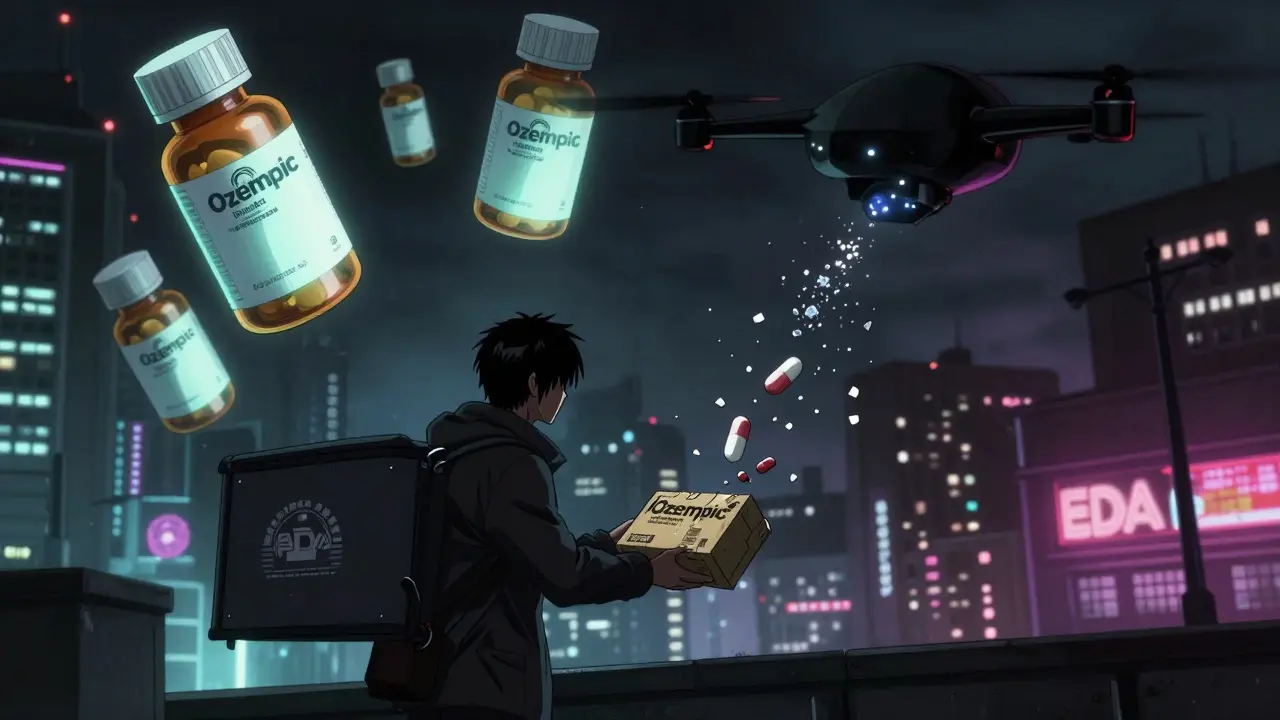
Buying medicine online sounds easy-click a button, get your pills delivered, no doctor’s visit. But for every legitimate online pharmacy, there are dozens more that are fake, dangerous, and sometimes deadly. In 2025, online pharmacy counterfeits are more widespread than ever, and the risks aren’t just theoretical. People are dying from pills that look real but contain lethal doses of fentanyl, or from fake Botox that causes nerve damage. This isn’t a distant problem-it’s happening in neighborhoods across North America, Europe, and beyond.
How Fake Medicines Are Made and Sold
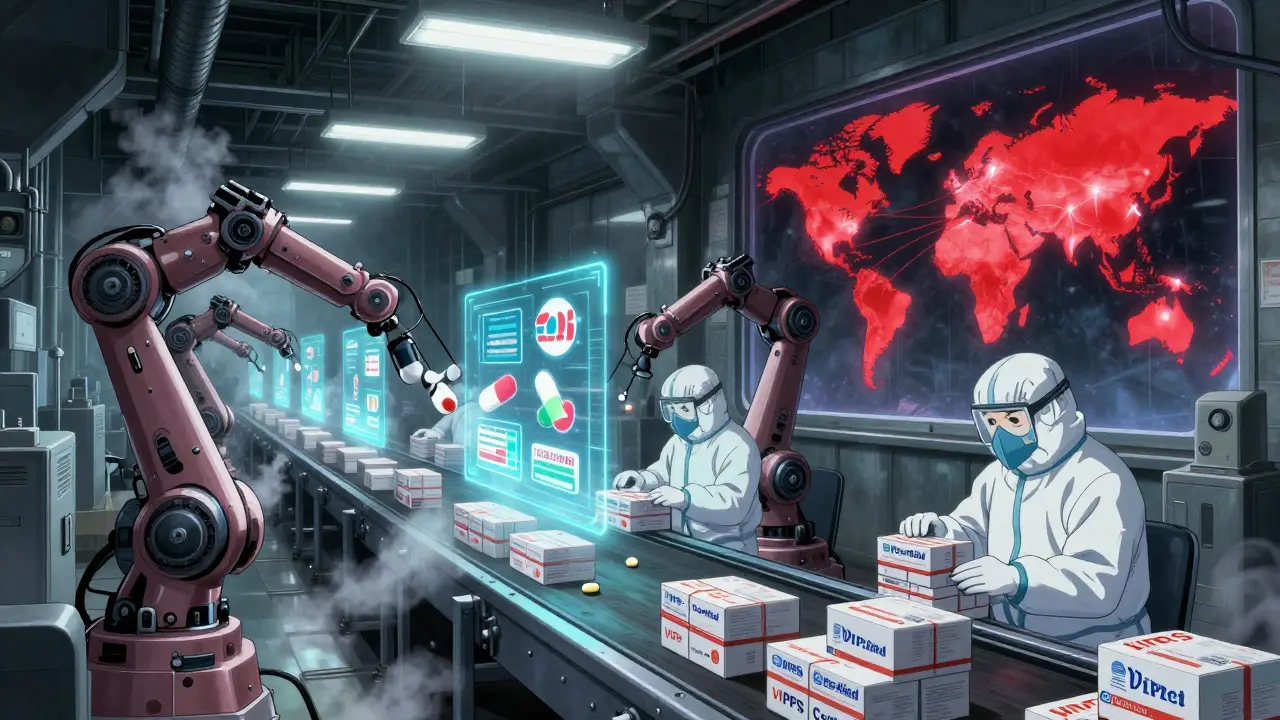
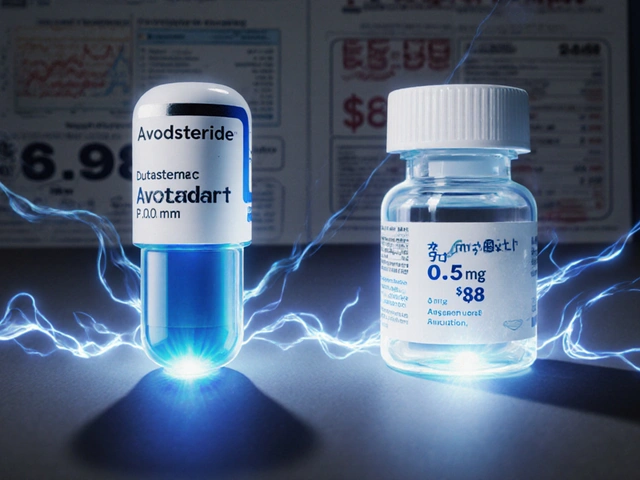
Counterfeit drugs don’t come from shady back-alley labs anymore. They’re produced in organized factories, often overseas, with packaging that mimics real brands down to the color, font, and logo. These operations use professional web design, secure payment gateways, and even fake customer reviews to trick people into thinking they’re buying from a real pharmacy. The U.S. Food and Drug Administration (FDA) has documented cases where counterfeit Ozempic capsules were sold on websites that looked just like the official site of Novo Nordisk. The same thing happened with Botox and alli-all of them fake, all of them found on websites that appeared legitimate.These counterfeiters don’t just copy the packaging. They copy the entire shopping experience. You’ll find product descriptions, dosage instructions, even chat support. But none of it is real. The pills inside? They could be anything. Fentanyl. Methamphetamine. Sugar. Rat poison. In 2024, the U.S. Drug Enforcement Administration seized over 60 million fake pills laced with fentanyl-enough to kill every person in Canada twice over. And these aren’t rare cases. The Pharmaceutical Security Institute recorded more than 6,400 global incidents of counterfeit drug distribution in 2024 alone.
Why People Buy From Illicit Pharmacies
The biggest lure? Price. People see a 70% discount on Ozempic or Muro 128 and think they’ve found a miracle. But here’s the truth: legitimate pharmacies don’t offer 70% off prescription drugs. If a website says it does, it’s a red flag.Another reason? Convenience. Some people avoid doctors because of cost, stigma, or long wait times. Others live in rural areas with limited access to specialists. Criminals exploit this. They target people with chronic conditions-diabetes, high blood pressure, obesity-and offer drugs without a prescription. That sounds helpful. But without a doctor’s oversight, you don’t know what you’re taking, how much, or whether it interacts with other meds you’re on. A 2024 CDC report warned that people who buy prescription drugs online without a valid prescription are at serious risk of overdose, especially from fentanyl-laced pills.
The Real Danger: What’s Inside the Pills
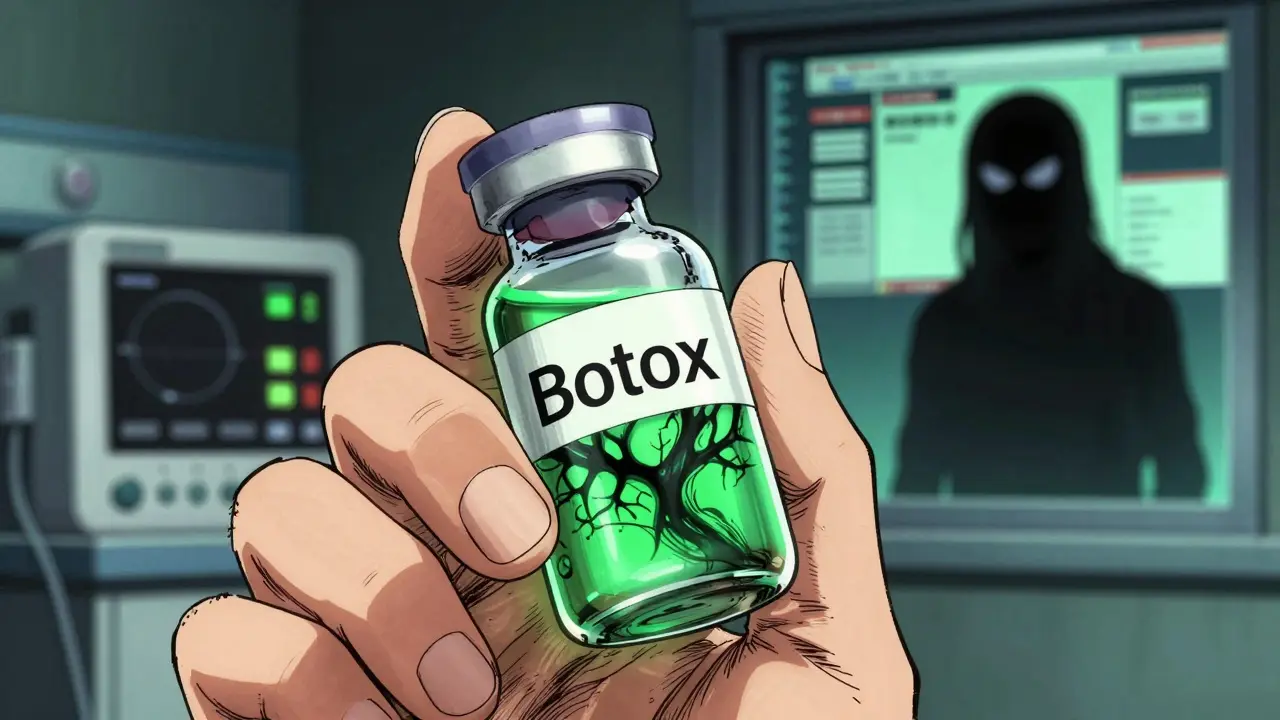
You might think fake medicine just doesn’t work. But that’s the least of your worries. Counterfeit drugs are often dangerously unpredictable. A 2023 FDA alert described a case where a patient took counterfeit Botox and suffered facial paralysis, difficulty swallowing, and respiratory distress. Why? Because the fake version contained botulinum toxin at a concentration ten times higher than the real thing.Or consider Ozempic. The real drug contains semaglutide, a carefully calibrated compound. Fake versions have been found with no active ingredient at all-or with unregulated chemicals that spike blood pressure or damage the liver. In one case, a Canadian woman bought what she thought was Ozempic online. She ended up in the ER with acute kidney failure. Lab tests showed her pills contained a banned industrial solvent.
The most terrifying part? You can’t tell by looking. Counterfeiters now use holograms, QR codes, and serial numbers that match real products. Even pharmacists have been fooled. The World Health Organization estimates that 1 in 10 medicines in low- and middle-income countries are fake-but even in wealthy nations like Canada and the U.S., the risk is growing. The OECD says U.S.-based companies account for nearly 38% of all seized counterfeit drugs globally-not because they’re the source, but because they’re the target.
How to Spot a Fake Online Pharmacy
Not all online pharmacies are bad. But only about 5% of them are legitimate. Here’s how to tell the difference:- Requires a valid prescription-legitimate pharmacies never sell prescription drugs without one.
- Has a licensed pharmacist on staff-you should be able to call or chat with one.
- Displays a physical address-not just a PO box. Check it on Google Maps.
- Is verified by VIPPS-the Verified Internet Pharmacy Practice Sites program, run by the National Association of Boards of Pharmacy, certifies safe online pharmacies. You can search their database.
- Uses a .pharmacy domain-this is a restricted top-level domain only for licensed pharmacies.
Watch out for websites that:
- Offer “no prescription needed”
- Sell drugs at prices that seem too good to be true
- Use only email for contact-no phone number or physical address
- Have poor grammar or spelling on their site
- Only accept cryptocurrency or wire transfers
What Happens When You Report a Fake Pharmacy
If you spot a fake pharmacy, don’t just leave it alone. Report it. The FDA’s Office of Criminal Investigations and MedWatch program rely on public tips to track down these operations. In 2025, over 13,000 websites and social media pages were shut down during Interpol’s Operation Pangea XVI-many because of reports from ordinary people.Here’s how to report:
- Submit a report at fda.gov/safety/report-problem-fda
- Email [email protected] with details
- Call 1-855-543-3784 (FDA’s MedWatch hotline)
Even if you didn’t buy anything, just the website URL helps authorities trace the network. These aren’t random scammers-they’re part of criminal organizations that also traffic in weapons and human trafficking. Shutting down one site can lead to arrests and the rescue of other victims.
What to Do If You Already Bought Fake Medicine
If you’ve taken a pill from an unverified online pharmacy and feel sick, go to the ER immediately. Don’t wait. Symptoms like dizziness, chest pain, difficulty breathing, or sudden weakness could mean you’ve ingested fentanyl or another deadly substance.Save the packaging and pills. Even if they look real, they may contain traceable chemicals or batch numbers that help investigators. Bring them to a pharmacy or hospital. Most pharmacies will accept them for disposal and testing.
Also, contact your doctor. Even if you feel fine, some counterfeit drugs cause delayed damage-liver toxicity, kidney failure, or nerve damage that shows up weeks later.
Why This Problem Won’t Go Away
Counterfeit pharmaceuticals are a $30.5 billion-a-year industry. Criminals love it because the profit margins are huge, the penalties are light, and enforcement is patchy. A single vial of fake Botox costs $2 to make. It’s sold online for $200. That’s a 9,900% markup.And the technology keeps improving. Counterfeiters now use AI to generate fake product pages, deepfake videos of doctors endorsing drugs, and even fake FDA seals. They operate from countries with weak laws, shipping packages through multiple international hubs to avoid detection.
The U.S. Drug Supply Chain Security Act (DSCSA) was supposed to fix this by requiring electronic tracking of every drug package. But it only applies to licensed pharmacies. Illicit sites don’t follow it. And until global regulators crack down on the countries that host these operations, the problem will keep growing.
What You Can Do to Stay Safe
You can’t stop counterfeiters. But you can protect yourself:- Only buy prescription drugs from pharmacies you trust-preferably ones you’ve used in person.
- Use the VIPPS directory to find verified online pharmacies.
- Never take medication without a prescription, even if it’s "over-the-counter" online.
- Check the FDA’s Drug Safety Communications for recent counterfeit alerts.
- Teach family members, especially older adults, how to spot fake websites.
It’s not about being paranoid. It’s about being informed. A single click could save your life-or someone else’s.
Are all online pharmacies illegal?
No. Only about 5% of online pharmacies are legitimate. The rest operate without licenses, sell drugs without prescriptions, and bypass safety checks. Look for the VIPPS seal or a .pharmacy domain to confirm legitimacy.
Can fake medicine really kill you?
Yes. In 2024, U.S. authorities seized over 60 million counterfeit pills laced with fentanyl-enough to kill millions. Fake versions of common drugs like Ozempic, Botox, and diabetes medications have been found to contain toxic chemicals, incorrect dosages, or no active ingredient at all. Many users suffer organ damage, overdose, or death without ever realizing the pills were fake.
How do counterfeiters make fake drugs look real?
They use high-quality printing, holograms, QR codes, and packaging that matches the real product exactly. Some even replicate the look of official websites, with shopping carts, secure checkout, and fake customer testimonials. Advanced operations even use AI to generate fake doctor reviews and FDA approval notices.
What should I do if I think I bought counterfeit medicine?
Stop taking it immediately. Save the packaging and pills. Contact your doctor or go to the ER if you feel unwell. Report the pharmacy to the FDA through their MedWatch program. Even if you feel fine, some counterfeit drugs cause delayed damage.
Is it safer to buy medicine from a foreign online pharmacy?
No. The FDA warns that importing prescription drugs from foreign websites is illegal and risky. Many so-called "international pharmacies" are based in countries with lax regulations and ship fake or contaminated products. There’s no guarantee of quality, safety, or proper storage conditions.
Comments (9)
Kyle Young
It's chilling how easily we've normalized convenience over safety. We click, we pay, we receive-no questions asked. But behind that seamless transaction is a global network of organized crime exploiting our desperation for affordable healthcare. The real tragedy isn't just the fentanyl-laced pills-it's that we've stopped asking why these drugs are so cheap in the first place.
Pharmaceuticals are one of the few industries where profit is prioritized over human life, and the system lets it happen. We punish the user, not the supplier. We vilify the person who bought a $5 Ozempic, not the corporation that priced it at $1,000.
There's a philosophical tension here: autonomy versus protection. Do we trust individuals to make informed choices, or do we paternalistically restrict access to prevent harm? The answer seems to be neither-we’ve built a system that offers neither trust nor safety.
And yet, the solution isn’t just regulation. It’s economic justice. If people didn’t have to choose between insulin and rent, would they risk their lives for a discount? We’re not fighting counterfeiters-we’re fighting poverty disguised as a drug crisis.
Aileen Nasywa Shabira
Oh wow, another ‘save the children from the scary internet’ PSA. Let me guess-next you’ll tell me not to buy shoes from Amazon because ‘fake Nikes’ might give you blisters?
70% off? Yeah, because the real price is a scam too. Novo Nordisk charges $1,000 for a vial that costs $2 to make. The ‘legitimate’ pharmacy is just the middleman sucking blood while pretending to be a saint.
And don’t get me started on VIPPS. That’s just Big Pharma’s lobbying arm with a website. They don’t care if you live or die-they care if you pay full price. Fake pills? Maybe. But the real poison is the system that makes you feel like you have no choice.
Also, ‘report to FDA’? LOL. They shut down 13,000 sites in 2025? That’s like closing 13,000 leaky faucets while the dam behind them is made of cheese.
Kendrick Heyward
My cousin took fake Ozempic and lost 30 pounds in two weeks. She thought she was lucky. Then she had a seizure. Now she’s on dialysis.
Don’t you dare tell me this isn’t real. I’m not some paranoid conspiracy guy-I’m a guy who held his sister’s hand while she screamed because her kidneys were shutting down from a pill she bought for $20 because her insurance denied her.
They don’t care. They don’t care if you die. They don’t care if your kid dies. They just want your money. And if you’re dumb enough to click ‘buy now,’ you deserve what you get.
But I’m not mad at you. I’m mad at the world that let this happen. And I’m mad at myself for not speaking up sooner.
❤️
lawanna major
The systemic failure here is not merely logistical-it is moral. We have created a healthcare architecture where access is contingent upon financial solvency, and then we criminalize the desperate for seeking alternatives.
Counterfeit pharmaceuticals are not an anomaly; they are a symptom. A symptom of a system that treats human life as a line item on a balance sheet rather than an inherent good.
It is not enough to warn people to avoid unverified websites. We must ask why those websites exist in the first place. Why do millions of Americans lack access to basic medications? Why do pharmaceutical patents remain unchallenged while people die in parking lots outside pharmacies?
Legitimacy is not defined by seals or domains. Legitimacy is defined by whether a system protects life. And ours, by every measurable standard, fails.
Let us not confuse compliance with compassion.
Ryan Voeltner
The issue of counterfeit pharmaceuticals is complex and deeply rooted in global economic disparities and regulatory fragmentation. While public awareness and reporting are critical, sustainable solutions require international cooperation, transparent supply chains, and equitable pricing models. We must move beyond punitive measures toward structural reform.
Linda Olsson
Let’s be honest-this whole thing is a distraction. The FDA and Big Pharma are in bed together. The ‘verified’ pharmacies? They’re owned by the same conglomerates that charge $1,200 for a pill that costs 7 cents to produce. The ‘fake’ ones? They’re the only ones giving people real access.
And don’t tell me about ‘fentanyl’-that’s a scare tactic. The real killer is the $800 insulin that keeps people from buying groceries. You think someone who’s choosing between medicine and rent is going to research VIPPS? Please.
They’re not stupid. They’re just tired. And you? You’re just another person in a suit telling them to be good while you cash your check.
Ayan Khan
In India, we know this pain intimately. For decades, people have relied on affordable generics from trusted local pharmacies-some legal, some not. The difference? We don’t criminalize the buyer. We fix the system.
When a woman in rural Bihar can’t afford a $100 diabetes pill, she finds a local chemist who sources from a verified manufacturer. She doesn’t click a link. She asks her neighbor. She trusts her community.
Perhaps the answer isn’t more regulation-it’s rebuilding trust in local networks. Education. Access. Empathy. Not just warnings from a distant government.
And yes-we have counterfeit drugs too. But we also have a culture of mutual care that America seems to have forgotten.
Lauren Volpi
I bought fake Botox once. Thought I was saving money. Ended up with a droopy eyelid for 8 months. Don’t do it.
jared baker
If you’re thinking about buying meds online, just call your doctor. Most will help you find a discount program or generic. I’ve seen it a hundred times-people think they’re being smart, but they’re just risking their life.
There are real programs. Real help. You don’t need to risk it.