
Every year, over 1.5 million people visit emergency rooms because of medication mistakes. That's not just a statistic-it's someone's mom, dad, or child. Medication Safety is formally defined as the freedom from accidental injury due to medical care or medical errors during the medication-use process. This isn't about perfect healthcare. It's about making sure the drugs you take don't end up hurting you.
Medication safety covers everything from the moment a doctor writes a prescription to when you take that pill at home. It's not just for hospitals. It matters when you pick up medicine at the pharmacy, when you give your child medicine, or when you manage multiple drugs for chronic conditions. The National Patient Safety Foundation says medication safety is about preventing harm from errors during the entire medication process. The Institute of Medicine calls it "the prevention of medication errors and the minimization of harm caused by those errors that do occur." Simple? No. Critical? Absolutely.
Why Medication Safety Matters
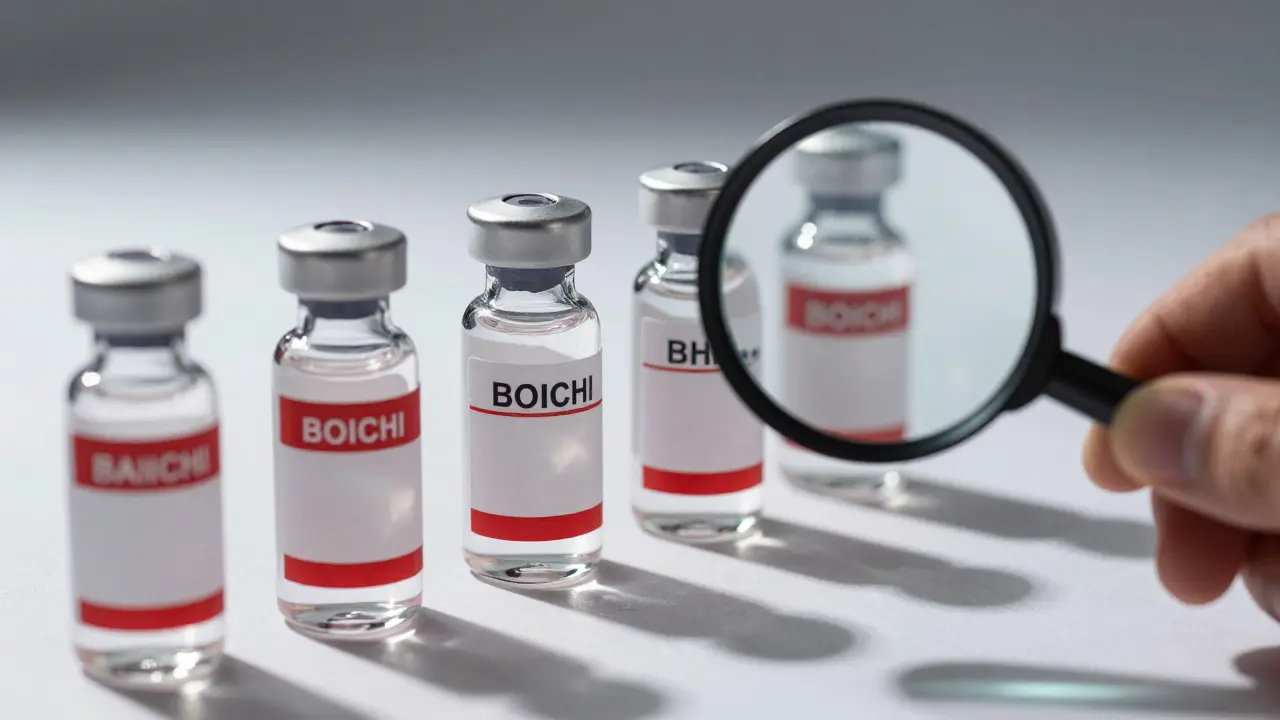
Think about this: 400,000 preventable injuries happen in U.S. hospitals every year from medication errors. These cost the healthcare system $42 billion annually. The CDC reports that 1.5 million emergency room visits each year are due to adverse drug events (ADEs)-harm caused by medications. Many of these are preventable. For example, wrong dosages of liquid medications cause 68% of patient-reported incidents. Similar packaging leads to 22% of errors. Imagine taking a pill you think is for high blood pressure, but it's actually for diabetes. That's not rare.
Adverse drug events aren't just inconvenient. They can be deadly. The Institute for Healthcare Improvement says preventable medication errors cause 100,000-200,000 deaths in the U.S. yearly. That's more than car accidents or breast cancer. And it's not just about hospitals. Elderly patients (65+) make up 50% of ADE-related hospitalizations. Kids under 5 account for 20% of emergency visits from medication mistakes. If you're managing multiple drugs, your risk goes up fast. People taking 5+ medications have 35% error rates without safety protocols. With proper systems, that drops to 8%.
How Medication Safety Works: The 9 Stages of the Medication Process
Medication safety isn't one step. It's a chain of nine stages, each with its own risks:
- Procurement: Buying the right medicine from reliable suppliers
- Storage: Keeping drugs at the right temperature and away from moisture
- Prescribing: Doctors writing clear, accurate prescriptions
- Transcribing: Accurately copying prescriptions into medical records
- Preparing: Pharmacists measuring the correct dose
- Dispensing: Giving the right medicine to the right patient
- Administration: Nurses or patients taking the medicine correctly
- Documentation: Recording what was given and when
- Monitoring: Checking for side effects or interactions
Each stage has specific failure points. According to The Joint Commission, 38% of medication errors happen during prescribing. That's often due to unclear handwriting or wrong dosages. Another 26% occur during administration-like giving a drug at the wrong time or to the wrong patient. Dispensing errors make up 16% of cases, often from mislabeled bottles. When one stage fails, the whole process can go wrong.
High-Alert Medications: The Most Dangerous Drugs
Some medicines are riskier than others. The Institute for Safe Medication Practices (ISMP) calls these "high-alert medications." They include:
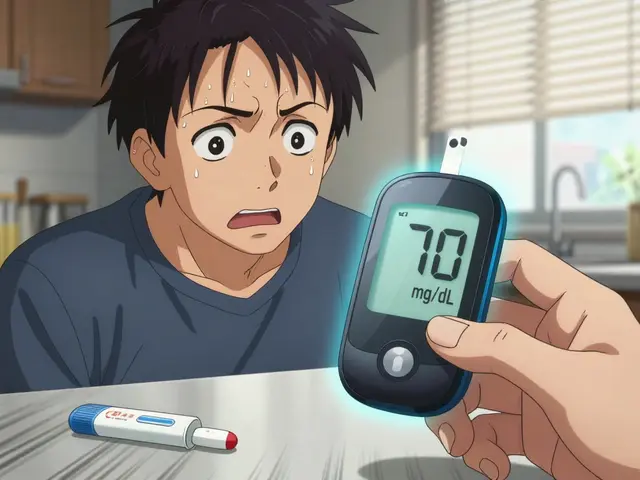
- Insulin: Involved in 17% of serious medication errors. A wrong dose can cause life-threatening low blood sugar
- Opioids: Responsible for 14% of serious errors. Overdoses can stop breathing
- Anticoagulants (like warfarin): Cause 12% of severe errors. Too much can lead to dangerous bleeding
- Intravenous oxytocin: Used in childbirth. A mistake can cause uterine rupture
These drugs need extra care. For example, insulin vials look similar, but strengths vary. A nurse might grab the wrong one. Or a doctor might write "10 units" but the pharmacy misreads it as "100 units." That's why clear labeling and double-checking are critical. The FDA now requires standardized numeric dosing on all prescription labels to reduce decimal point errors by 32% in pilot programs.
Technology That Saves Lives
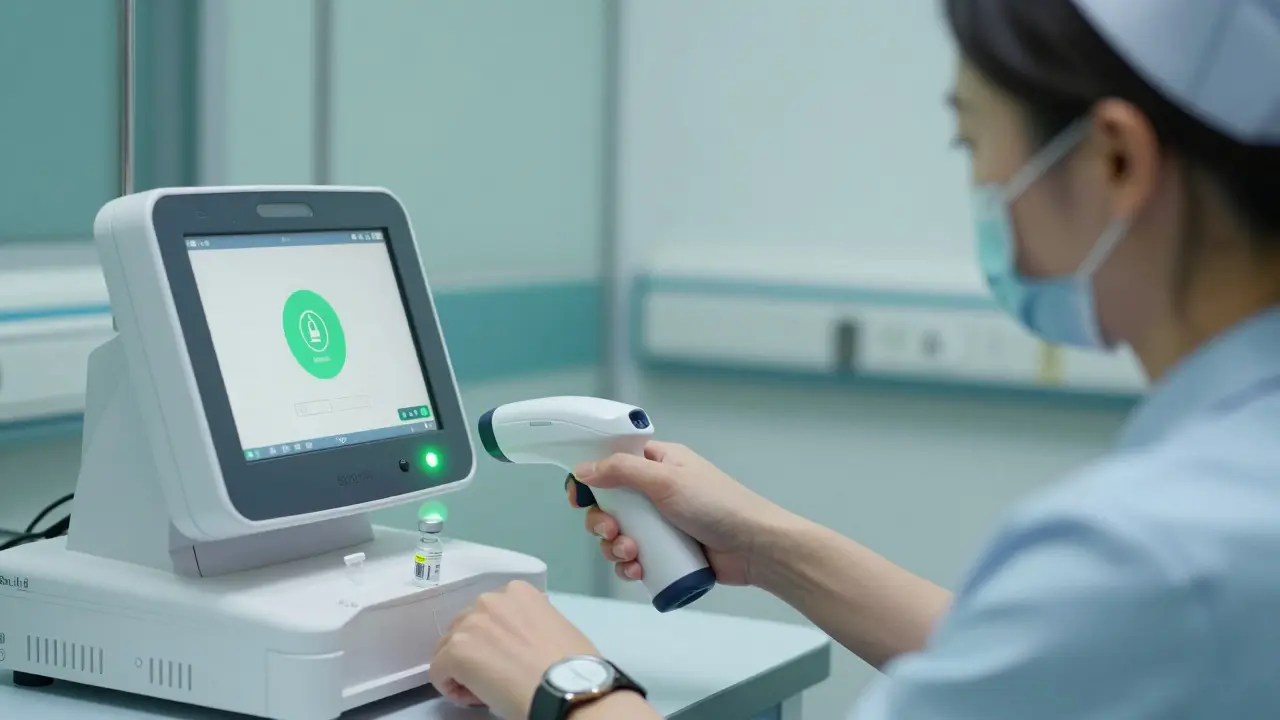
Technology isn't just for smartphones-it's a lifesaver in medicine. Electronic health records (EHRs) with clinical decision support systems cut serious medication errors by 48% in hospitals. How? They flag drug interactions or wrong dosages before they happen. Barcode-assisted medication administration (BCMA) reduces administration errors by 65%. Nurses scan both the patient's wristband and the medicine before giving it. If they don't match, the system stops them.
But technology isn't perfect. Too many alerts can cause "alert fatigue." When systems show more than 25 alerts per patient encounter, effectiveness drops by 30%. That's why smart systems learn from past mistakes. For example, if a doctor prescribes a drug that conflicts with a patient's allergy history, the EHR highlights it in red. Simple? Yes. Effective? Absolutely.
Who's Most at Risk?
Some patients face higher dangers. Children often get the wrong dose because their medicine needs precise weight-based calculations. A typical error is giving a teaspoon instead of a milliliter. Elderly patients take more medications, increasing interaction risks. One study found 42% of seniors skip doses or change their meds without telling doctors due to cost or side effects. Pregnant women need special care too. Certain drugs can harm a baby's development. For example, some blood pressure medications cause birth defects.
These groups need extra attention. Hospitals use child-specific dosing charts. Pharmacists check senior patients' medication lists for duplicates or conflicts. Doctors avoid teratogenic drugs (those that harm fetuses) during pregnancy. It's not about blaming patients-it's about building systems that protect the most vulnerable.
What Patients Can Do
You don't have to be a doctor to keep yourself safe. Here's how:
- Keep a medication list: Write down every drug, dose, and reason you take it. Update it after every doctor visit. The CDC says this reduces errors by 45% during hospital transitions
- Ask questions: "Why am I taking this?" "What are the side effects?" "Is there a cheaper alternative?"
- Use blister packs: Pharmacies can package daily doses in sealed compartments. Studies show this improves adherence by 60%
- Check labels: Verify the drug name and dose before taking it. If it looks different, ask
- Bring someone with you: A second set of eyes catches mistakes
For example, a patient named Maria kept a medication list after her hospital discharge. When she visited a new doctor, the list revealed a duplicate prescription for the same drug. She avoided a dangerous overdose. Simple steps like these save lives.
Systemic Changes That Work
Healthcare systems aren't perfect, but they're getting better. The "Five Rights" framework-right patient, drug, dose, route, time-is the foundation. Many hospitals now add three more rights: right documentation, right reason, and right response (monitoring). This makes the process more thorough.
Medication Safety Officers (MSOs) are now standard in hospitals. They spend 120-160 hours in initial training, then 40 hours yearly to stay updated. Their job? To spot system flaws before they hurt patients. For example, one MSO noticed a pharmacy was mixing up similar-sounding drug names. They changed the labeling system, cutting errors by 30%.
The WHO's "Medication Without Harm" campaign aims for a global 50% reduction in severe medication-related harm by 2027. Countries using this program saw 18% fewer serious errors in the first year. It's not just about blaming individuals-it's about fixing broken systems.
The Future of Medication Safety
New tools are coming fast. AI-powered systems analyze EHR data to predict errors before they happen. In pilot programs, they've reduced potential adverse drug events by 40%. Blockchain technology is being tested to track medicines from factory to pharmacy, cutting counterfeit drugs by 65% in European trials. The FDA's new standardized dosing labels are already reducing decimal point errors by 32%.
But challenges remain. Telehealth medication errors rose 300% in 2022-2023. Managing personalized medicine regimens (like gene-based treatments) increases polypharmacy risks by 25%. Still, the math is clear: every $1 invested in medication safety yields $4.20 in reduced healthcare costs and better outcomes.
Frequently Asked Questions
What are high-alert medications?
High-alert medications pose a higher risk of causing serious harm if used incorrectly. Examples include insulin (17% of serious errors), opioids (14%), anticoagulants like warfarin (12%), and intravenous oxytocin used in childbirth. These drugs require extra checks, clear labeling, and specialized training for healthcare staff. The Institute for Safe Medication Practices (ISMP) maintains a public list of these high-risk drugs to guide safety protocols.
How can patients help prevent medication errors?
Patients play a key role in safety. Keep an updated medication list showing all drugs, doses, and reasons for taking them. Bring this list to every doctor visit. Ask questions like "Why am I taking this?" and "What side effects should I watch for?" Always check the drug name and dose on the label before taking medicine. Use pharmacy-provided blister packs for daily doses to avoid confusion. If a medication looks different than usual, ask the pharmacist. These simple steps cut error risks by 45-60% in real-world settings.
What is medication reconciliation?
Medication reconciliation is the process of comparing a patient's current medications with new prescriptions to avoid errors during care transitions. For example, when moving from hospital to home, doctors check for duplicates, missing drugs, or conflicting doses. The CDC reports this reduces reconciliation errors by 45% during hospital discharges. It's a critical step that involves pharmacists, nurses, and doctors working together to ensure accuracy. Every time you switch healthcare settings-like going from surgery to rehab-this process should happen.
Why do medication errors happen more often in hospitals?
Hospitals see more complex cases and higher medication volumes, increasing error chances. Prescribing errors account for 38% of all medication mistakes, often due to rushed decisions or unclear handwriting. Administration errors (26%) happen when nurses juggle multiple patients and tasks. Dispensing errors (16%) occur when pharmacists misread labels or mix up similar drugs. Technology like barcode scanning reduces these risks, but 65% of nursing staff initially resist new systems. With proper training, resistance drops within 90 days, making hospitals safer over time.
How do electronic health records improve safety?
EHRs with clinical decision support systems cut serious medication errors by 48% in hospitals. They flag drug interactions, wrong dosages, or allergies before prescriptions are filled. For example, if a doctor tries to prescribe a drug a patient is allergic to, the system blocks it and shows a warning. EHRs also standardize handwriting, reducing misinterpretation errors. However, too many alerts (over 25 per patient) cause "alert fatigue," lowering effectiveness by 30%. Smart systems learn from past mistakes to show only the most critical alerts.
What are high-alert medications?
High-alert medications pose a higher risk of causing serious harm if used incorrectly. Examples include insulin (17% of serious errors), opioids (14%), anticoagulants like warfarin (12%), and intravenous oxytocin used in childbirth. These drugs require extra checks, clear labeling, and specialized training for healthcare staff. The Institute for Safe Medication Practices (ISMP) maintains a public list of these high-risk drugs to guide safety protocols.
How can patients help prevent medication errors?
Patients play a key role in safety. Keep an updated medication list showing all drugs, doses, and reasons for taking them. Bring this list to every doctor visit. Ask questions like "Why am I taking this?" and "What side effects should I watch for?" Always check the drug name and dose on the label before taking medicine. Use pharmacy-provided blister packs for daily doses to avoid confusion. If a medication looks different than usual, ask the pharmacist. These simple steps cut error risks by 45-60% in real-world settings.
What is medication reconciliation?
Medication reconciliation is the process of comparing a patient's current medications with new prescriptions to avoid errors during care transitions. For example, when moving from hospital to home, doctors check for duplicates, missing drugs, or conflicting doses. The CDC reports this reduces reconciliation errors by 45% during hospital discharges. It's a critical step that involves pharmacists, nurses, and doctors working together to ensure accuracy. Every time you switch healthcare settings-like going from surgery to rehab-this process should happen.
Why do medication errors happen more often in hospitals?
Hospitals see more complex cases and higher medication volumes, increasing error chances. Prescribing errors account for 38% of all medication mistakes, often due to rushed decisions or unclear handwriting. Administration errors (26%) happen when nurses juggle multiple patients and tasks. Dispensing errors (16%) occur when pharmacists misread labels or mix up similar drugs. Technology like barcode scanning reduces these risks, but 65% of nursing staff initially resist new systems. With proper training, resistance drops within 90 days, making hospitals safer over time.
How do electronic health records improve safety?
EHRs with clinical decision support systems cut serious medication errors by 48% in hospitals. They flag drug interactions, wrong dosages, or allergies before prescriptions are filled. For example, if a doctor tries to prescribe a drug a patient is allergic to, the system blocks it and shows a warning. EHRs also standardize handwriting, reducing misinterpretation errors. However, too many alerts (over 25 per patient) cause "alert fatigue," lowering effectiveness by 30%. Smart systems learn from past mistakes to show only the most critical alerts.


Comments (8)
Matthew Morales
This is life-saving info, thx! :)
Diana Phe
The government is using medication errors to push for more control. Big Pharma knows this and is hiding the truth. 400k injuries? More like 4 million.
Carl Crista
medication errors are caused by the government to make people dependent on drugs no one talks about it they want you to be sick
Andre Shaw
This 'medication safety' nonsense is totally overblown. People just need to read their damn labels. It's not the system's fault, it's their own stupidity. Let's stop crying and take responsibility.
Dr. Sara Harowitz
THIS IS WHY AMERICA NEEDS TO FIX MEDICATION SAFETY IMMEDIATELY! WE CAN'T HAVE PEOPLE DYING FROM STUPID MISTAKES! EVERYONE MUST BE AWARE! THE GOVERNMENT MUST ACT NOW! THIS IS UNACCEPTABLE!
Joyce cuypers
I love how this explains the steps! I always forget to check lables but now I will. typos happen but this is helpful!
Brendan Ferguson
I've been in pharmacy for over 15 years and have seen firsthand how medication errors occur at every stage.
From prescribing to administration, each step has its own risks.
For example, when a doctor writes a prescription, unclear handwriting can lead to mistakes.
Pharmacists then have to interpret that correctly, which isn't always easy.
Even with electronic systems, human error can slip in.
But there are solutions. Barcode scanning at the point of administration has reduced errors by 65%.
Also, medication reconciliation during transitions of care is critical.
When patients move from hospital to home, ensuring their medication list is accurate prevents dangerous duplicates or omissions.
It's not just about technology though. Communication between healthcare providers is just as important.
Nurses, doctors, and pharmacists need to talk to each other clearly.
Patients themselves can help by keeping a list of all their medications and asking questions.
Simple steps like these can save lives.
The data shows that with proper systems, error rates drop from 35% to 8% for those on multiple meds.
This isn't rocket science, but it does require attention to detail.
Every single person involved in the medication process has a role to play.
It's a team effort.
And when everyone does their part, patients are safer.
I truly believe that with the right focus, we can drastically reduce these errors.
It's worth the effort for every patient.
Jennifer Aronson
The global perspective on medication safety is fascinating. Countries like Japan have implemented strict labeling standards that reduce errors significantly. It's a model worth considering worldwide.