
Waking up at 3 a.m. with a burning sensation in your chest is practically a rite of passage for many pregnant women. Whether it's the surge of hormones relaxing your esophageal sphincter or a growing baby pushing against your stomach, heartburn medications in pregnancy often become a daily necessity. But when you're eating for two, the question isn't just "what works?" but "what is safe?"
The goal is to find a balance between your comfort and your baby's development. While most over-the-counter options are helpful, not all are created equal. Some provide a quick fix, while others change how your stomach produces acid over the long term. Here is a practical breakdown of your options, from the safest first-line choices to the heavy hitters reserved for severe cases.
Quick Guide to Pregnancy Heartburn Relief
If you need a fast answer, here is the general hierarchy of treatment recommended by healthcare providers:
- First Choice: Calcium carbonate antacids (like Tums). Fast-acting and generally the safest.
- Second Choice: H2 Blockers (like famotidine). Used when antacids aren't enough.
- Third Choice: Proton Pump Inhibitors (like omeprazole). Reserved for severe, persistent reflux under a doctor's care.
- Avoid Completely: Pepto-Bismol (contains salicylates/aspirin) and any antacids containing aluminum or magnesium trisilicate.
The First Line of Defense: Antacids
For most of us, the first instinct is to reach for a chewable tablet. Antacids is a class of medications that neutralize existing stomach acid to provide immediate relief. They don't stop acid from being made; they just neutralize what is already there. Because of this, they work fast but only last a short while-usually 1 to 2 hours.
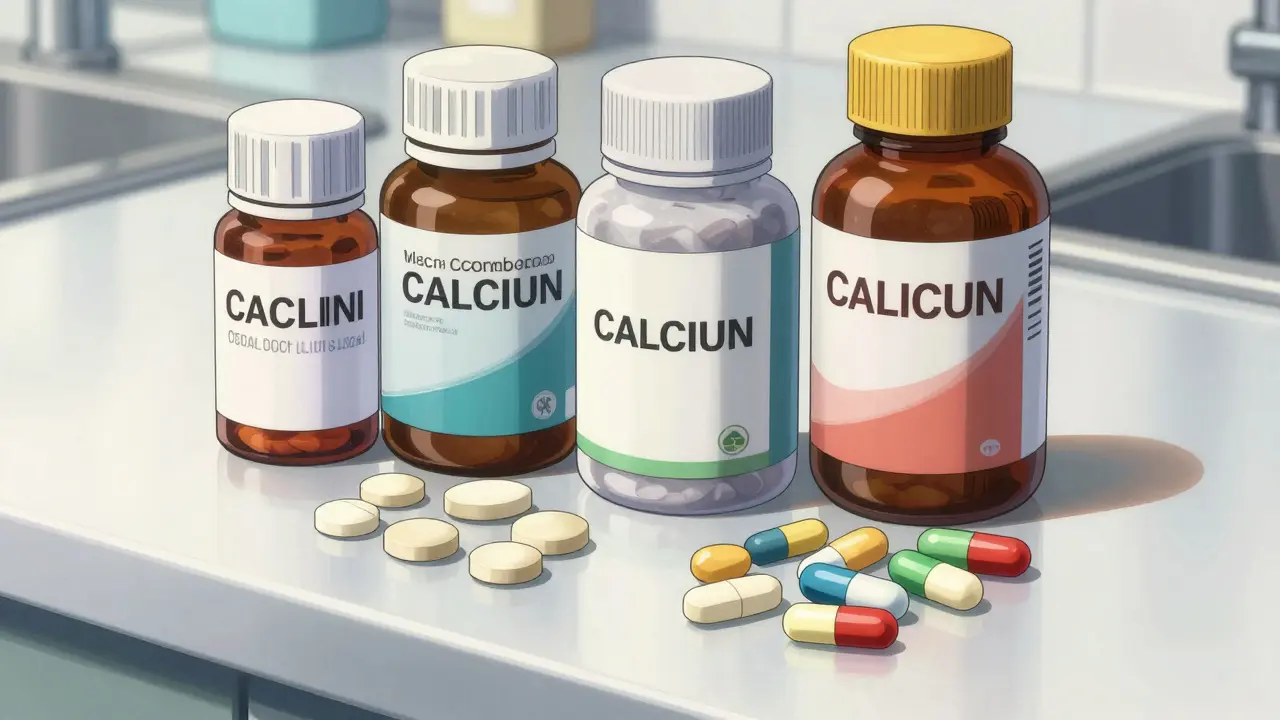
When looking at the pharmacy shelf, look for calcium carbonate. This is widely considered the gold standard for pregnancy. Since both you and your baby need calcium for bone and tooth development, these tablets offer a dual benefit. Brands like Tums are frequently recommended because they lack the harsher chemicals found in some generic alternatives.
However, be careful with the ingredients. While calcium is great, some antacids contain aluminum or magnesium hydroxide. While common in products like Mylanta, some doctors warn against those containing trisilicates. Additionally, be mindful of side effects: aluminum-based options can cause constipation, while magnesium-based ones might lead to diarrhea-neither of which you need while dealing with pregnancy symptoms.
Medium-Strength Relief: H2 Blockers
Sometimes, chewing tablets every two hours just isn't sustainable. That's where H2 blockers come in. H2 Blockers (Histamine-2 receptor antagonists) are medications that reduce the amount of acid your stomach produces by blocking histamine receptors.
Unlike antacids, these don't just neutralize acid-they turn down the "faucet." They take a bit longer to kick in (about 1 to 3 hours) but provide much longer relief, often lasting 10 to 12 hours. Famotidine (found in Pepcid) is currently the preferred choice in this category. You might remember Zantac (ranitidine), but it was pulled from the market by the FDA due to contamination concerns, making famotidine the safer, standard alternative.
| Medication Type | Common Example | Onset of Action | Duration | Primary Use Case |
|---|---|---|---|---|
| Antacid | Tums (Calcium Carbonate) | Immediate | 1-2 Hours | Mild, occasional heartburn |
| H2 Blocker | Pepcid (Famotidine) | 1-3 Hours | 10-12 Hours | Moderate, frequent reflux |
| PPI | Prilosec (Omeprazole) | 1-4 Hours | 24+ Hours | Severe, chronic GERD |
The Heavy Hitters: Proton Pump Inhibitors (PPIs)
When your esophagus feels like it's on fire even after taking the options above, you might be dealing with GERD (Gastroesophageal Reflux Disease), which is essentially chronic, severe heartburn. In these cases, doctors may suggest Proton Pump Inhibitors (PPIs), which irreversibly inhibit the enzyme system that produces acid in the stomach lining.
PPIs like Omeprazole (Prilosec) are the most extensively studied in this group. They provide the most powerful acid suppression and can last for over 24 hours. However, they are generally not recommended as a first choice. There have been theoretical concerns about long-term PPI use affecting how your body absorbs calcium, and one study in JAMA Pediatrics suggested a potential (though not proven) link between first-trimester PPI use and childhood asthma.
Because of these nuances, PPIs should only be used under strict medical supervision. Your doctor will weigh the benefit of relieving your pain against the potential risks to the fetus, especially during the first 14 weeks of pregnancy when the fetus is most vulnerable.
When to Avoid Medications Completely
There is one very important rule: Do not use Pepto-Bismol. This product contains bismuth subsalicylate, which is a relative of aspirin. Taking salicylates during pregnancy is generally avoided due to potential risks to the baby. If you are looking for a liquid coating agent, stick to approved pregnancy-safe antacids.
It is also worth noting that the first trimester is the most sensitive time. Many OB-GYNs suggest avoiding almost all over-the-counter medications during the first 14 weeks unless absolutely necessary. If you are in the early stages of pregnancy, always call your provider before taking the first dose of any medication.

Lifestyle Tweaks to Reduce Acid
Medication is great, but you can significantly lower the amount of medicine you need by changing a few habits. Since the growing uterus physically pushes your stomach upward, gravity becomes your enemy.
Try these practical shifts:
- Eat smaller, more frequent meals: A stuffed stomach is more likely to leak acid back up into the esophagus.
- Identify your triggers: Spicy foods, fried oils, and citrus are the usual suspects. Keep a quick note of what triggers your reflux.
- The 3-hour rule: Try to finish your last meal at least three hours before lying down. If you must lie down, prop yourself up with a wedge pillow.
- Wear loose clothing: Avoid tight waistbands that put extra pressure on your abdomen.
Are Tums safe in the first trimester?
Generally, calcium carbonate antacids like Tums are considered safe, but many doctors recommend avoiding most OTC medications during the first 14 weeks of pregnancy. Always check with your healthcare provider before starting any medication during the first trimester.
Can I take Pepcid while pregnant?
Yes, famotidine (the active ingredient in Pepcid) is typically considered a safe second-line treatment for heartburn when antacids don't provide enough relief. It is generally safe for short-term use, but your doctor should be aware you are taking it.
Why is Pepto-Bismol dangerous during pregnancy?
Pepto-Bismol contains bismuth subsalicylate. The salicylate component is chemically similar to aspirin, which is generally avoided during pregnancy due to potential risks to the fetus.
Do PPIs like Prilosec cause problems for the baby?
While omeprazole is widely used and generally considered safe, some studies have suggested a potential link to childhood asthma if used in the first trimester. Because of this, PPIs are reserved for severe cases and should only be used under a doctor's prescription.
What is the difference between an antacid and an H2 blocker?
An antacid neutralizes acid that has already been produced, providing fast but short-lived relief. An H2 blocker stops the stomach from producing as much acid in the first place, meaning it takes longer to start working but provides relief for many more hours.
Next Steps and Troubleshooting
If you find that you are relying on maximum doses of antacids every few hours and still feel the burn, it's time for a follow-up appointment. Persistent or severe heartburn can sometimes mask other issues or lead to esophageal irritation.
For the first-time mom: Start with lifestyle changes and calcium-based antacids. Keep a log of when the heartburn happens to help your doctor determine if you need something stronger.
For those with pre-existing GERD: If you were taking PPIs before pregnancy, do not abruptly stop them without consulting your gastroenterologist, as this can cause a "rebound" effect where acid production spikes.





Comments (9)
Kenzie Evans
Obviously anyone with half a brain knows that lifestyle changes should come first before you start pumping your body full of chemicals. The list is basic at best. Most people just don't have the discipline to actually follow a 3-hour rule because they're too lazy to plan their meals.
Scott Lofquist
Actually, the bias toward calcium carbonate is just a legacy preference. 🙄 There are plenty of reasons to question why we prioritize one specific mineral over others just because it's 'gold standard.' It's a shame people just blindly follow these lists without looking at the broader pharmacodynamics! 💊🧐
Billy Wood
Keep pushing through!!! You got this!!! Just stay hydrated!!!
Princess Busaco
I find it absolutely fascinating that people are so quick to jump to medications when the true root of the problem is often a complete lack of mindfulness regarding the somatic connection between the gut and the mind, and frankly, the way some people just ignore the holistic approach in favor of a quick fix from a drugstore is nothing short of a tragedy in the modern medical era.
Mary Johnson
Who knows what's actually in these 'safe' meds? The FDA has pulled things before, so why should we trust them now? They probably hide the real side effects to keep the pharmaceutical companies making billions while our babies are the guinea pigs. It's all a giant game to them and we're just numbers in a spreadsheet. Be careful what you put in your body because once it's in there, you can't take it back.
Ikram Khan
Wow, the struggle is real! 😱 I've seen so many partners trying to help their wives through this and it's such a team effort! Keep your heads up and stay strong! You guys are doing amazing! 🌟💪
Olivia Lo
From a clinical perspective, the pharmacological efficacy of H2 blockers is quite distinct from the neutralizing action of antacids, creating a different therapeutic window for the patient. It is important to maintain a balanced homeostasis within the gastric environment to avoid exacerbating the reflux through rebound hyperacidity. We should approach these interventions with a nuanced understanding of the physiological shifts occurring during gestation.
Rim Linda
Omg the 3am wake up calls are the WORST! 😭 Like why is my stomach actually lava?? Tums are literally my best friend right now lol 🍬
Tabatha Pugh
I've seen people take way more than the recommended dose of calcium carbonate and it leads to severe constipation, which is already a nightmare during pregnancy. You really have to watch the dosage or you're just trading one problem for another.