
Living with type 2 diabetes doesn’t mean your life is over-it means you need to understand what’s happening in your body and how to take control. Unlike type 1 diabetes, which starts suddenly and usually in childhood, type 2 diabetes creeps up slowly. Many people don’t realize they have it until complications show up. That’s why knowing the signs, what causes it, and how to manage it early can change everything.
What Are the Real Symptoms of Type 2 Diabetes?
The symptoms don’t hit like a storm. They whisper. You might notice you’re always thirsty, even after drinking water. You’re peeing more often, especially at night. You’re hungry, even right after eating. You’re tired all the time, no matter how much sleep you get. These aren’t just "bad days." They’re warning signs.
More than 78% of newly diagnosed people report excessive thirst. About 72% notice they’re urinating more. And 83% say they feel worn out constantly. Weight loss can happen even if you’re eating normally-your body can’t use sugar for energy, so it starts breaking down fat and muscle. Blurry vision? That’s your blood sugar messing with the fluid balance in your eyes. Numbness or tingling in your hands or feet? That’s nerve damage starting.
Some signs are easier to see. Dark, velvety patches on your neck or underarms-called acanthosis nigricans-show up in 25-50% of people with insulin resistance. It’s a visible clue your body is struggling with sugar. And infections? Frequent yeast infections, slow-healing cuts, or recurring urinary tract infections are common because high sugar gives bacteria and fungi a feast.
Here’s the scary part: 15-20% of people have type 2 diabetes and don’t feel anything at all. They find out during a routine blood test or after a heart attack. That’s why getting checked, especially if you’re over 45 or overweight, isn’t optional-it’s essential.
Why Do People Get Type 2 Diabetes?
Type 2 diabetes isn’t caused by eating too much sugar alone. It’s a mix of your genes, your lifestyle, and how your body responds to insulin. Insulin is the key that lets sugar enter your cells for energy. In type 2 diabetes, your cells stop listening to insulin. That’s called insulin resistance.
At first, your pancreas tries to compensate. It pumps out two or three times more insulin than normal. But over time, the cells get tired. They can’t keep up. That’s when blood sugar starts rising.
Obesity is the biggest driver. People with a BMI over 30 are 80 times more likely to develop type 2 diabetes than those with a BMI under 22. But it’s not just weight. Physical inactivity plays a role in 27% of cases worldwide. Sitting all day, not moving-this weakens your muscles’ ability to use sugar.
Genetics matter too. If a parent or sibling has type 2 diabetes, your risk jumps by 40%. Over 400 genetic variants have been linked to it. But genes don’t decide everything. Someone with high genetic risk might never develop it if they stay active and eat well. Someone with low genetic risk might develop it if they’re overweight and sedentary.
Age is a factor, but not the only one. Once thought of as an "adult-onset" disease, it’s now rising fast in teens and kids. In the U.S. alone, over 287,000 people under 20 have been diagnosed. Ethnicity also plays a role. Native Americans, African Americans, Hispanic/Latino Americans, and Asian Americans have higher rates than non-Hispanic White Americans.
The truth? Type 2 diabetes is preventable in most cases. It’s not fate. It’s a response to how you live.
What Happens If It’s Not Managed?
Uncontrolled type 2 diabetes doesn’t just mean high blood sugar. It means damage-slow, silent, and widespread.
Your heart is at risk. Sixty-five to eighty percent of deaths in people with type 2 diabetes come from heart disease or stroke. You’re two to four times more likely to have one. Your kidneys start to fail. Diabetes causes 44% of new cases of kidney failure needing dialysis. Your nerves get damaged. Sixty to seventy percent of people with diabetes for 10 years or more develop nerve problems. That can lead to foot ulcers-and in 14-24% of those cases, amputation.
Your eyes? Diabetic retinopathy affects nearly 30% of adults with diabetes. It’s the leading cause of blindness in working-age adults in the U.S., causing 17,000 new cases of vision loss each year.
And it affects your brain, too. People with diabetes have a two to three times higher risk of Alzheimer’s and other dementias. Some researchers even call it "type 3 diabetes." Depression is twice as common in people with diabetes-and it makes managing it harder, increasing the risk of death by 20%.
This isn’t fear-mongering. It’s reality. But none of this is inevitable.

How to Manage Type 2 Diabetes-Step by Step
Management isn’t about perfection. It’s about progress. You don’t need to become a different person. You need to make smart, consistent changes.
1. Get your HbA1c tested. This blood test shows your average blood sugar over the past 2-3 months. Most adults should aim for under 7.0%. But if you’re older or have other health issues, your doctor might target 7-8%. Going too low can cause dangerous drops in blood sugar.
2. Start with lifestyle changes. Losing just 7% of your body weight can cut your risk of developing diabetes by 58%-if you’re prediabetic. For someone who weighs 200 pounds, that’s 14 pounds. Eat more vegetables, lean proteins, and whole grains. Cut out sugary drinks, fried foods, and processed snacks. Move for 30 minutes a day, five days a week. Walking counts. Taking the stairs counts.
3. Medication isn’t a failure-it’s a tool. Metformin is the first-line drug. It lowers blood sugar, helps with weight, and is safe for most people. It reduces HbA1c by 1-2%. If that’s not enough, newer drugs like GLP-1 agonists (such as semaglutide) or SGLT2 inhibitors (like empagliflozin) are now preferred. They don’t just lower sugar-they protect your heart and kidneys, and help you lose weight.
4. Monitor your blood sugar. You don’t need to poke your finger 10 times a day. But checking it a few times a week, especially after meals, helps you see how food and activity affect you. Continuous glucose monitors (CGMs) are now approved for type 2 diabetes. They’re not just for insulin users. If you’re struggling to control your numbers, ask your doctor about one.
5. Sleep and stress matter. Poor sleep raises cortisol, which raises blood sugar. Chronic stress does the same. Try to get 7-8 hours of sleep. Practice deep breathing, walking, or meditation. These aren’t "nice to have"-they’re part of your treatment plan.
Can Type 2 Diabetes Be Reversed?
"Reversed" doesn’t mean cured. But remission? Yes. That means your blood sugar stays normal without medication.
The DIALECT trial showed that 46% of people with type 2 diabetes for less than six years went into remission after a strict 800-calorie-per-day diet for 3-5 months, followed by gradual food reintroduction. They didn’t take drugs. They didn’t have surgery. They changed how they ate.
It’s hard. It’s not for everyone. But it proves something important: your body can heal-if you give it the right conditions.
Even if you don’t go into remission, small changes add up. Losing 5-10 pounds. Walking 10,000 steps a day. Sleeping better. These things lower your HbA1c, reduce your medication needs, and protect your organs.
What’s New in Treatment?
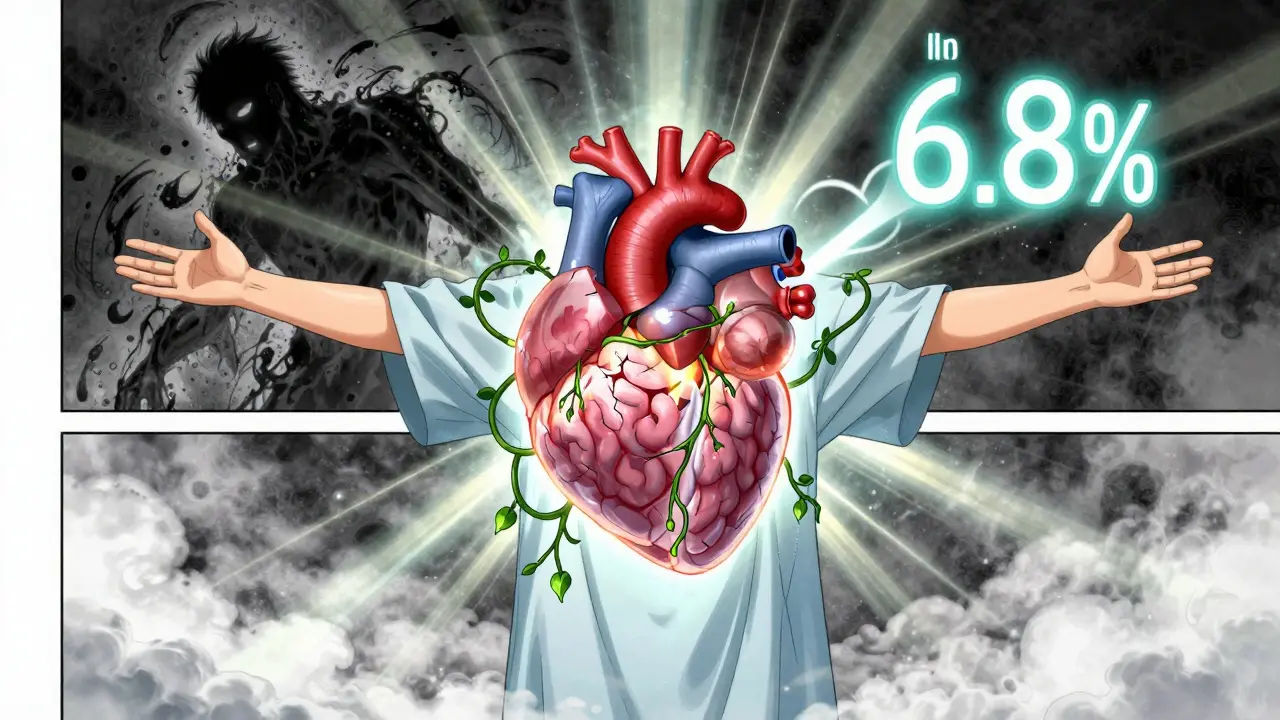
Medicine is moving fast. Tirzepatide (Mounjaro), a dual GIP/GLP-1 agonist, was approved in 2022. It lowers HbA1c by up to 2.3% and helps people lose 11-15 pounds. That’s more than most older drugs.
Hybrid closed-loop systems-once only for type 1-are now approved for type 2. The MiniMed 780G, cleared by the FDA in 2022, automatically adjusts insulin based on your glucose levels. It’s not for everyone, but for those who need insulin, it’s a game-changer.
And policy is helping. CGM use among Medicare beneficiaries jumped from 1.2% in 2017 to 12.7% in 2022. More access means better control.
But technology won’t fix everything. If you can’t afford healthy food, or can’t take time off work to exercise, or don’t have a doctor who listens-then the tools won’t help. That’s the real challenge.
What Should You Do Now?
If you haven’t been tested and you’re over 45, get your HbA1c checked. If you’re under 45 but overweight, sedentary, or have a family history, get tested. If you’ve been diagnosed, don’t wait. Start today.
Don’t wait for symptoms to get worse. Don’t wait for a complication. Don’t wait for someone else to tell you it’s serious.
Your body is trying to tell you something. Listen.
Can type 2 diabetes be cured?
Type 2 diabetes can’t be "cured" like an infection, but it can go into remission. That means blood sugar levels return to normal without medication. This usually happens after significant weight loss through diet, exercise, or medical programs. Remission is more likely if it’s caught early and managed aggressively. It doesn’t mean you’re free from risk-lifestyle still matters.
Is type 2 diabetes only caused by being overweight?
No. While obesity is the strongest risk factor, many people with type 2 diabetes are not overweight. Genetics, age, ethnicity, physical inactivity, and even chronic stress play major roles. Some thin people have high insulin resistance due to fat stored around organs (visceral fat), which isn’t always visible. You can’t judge diabetes by appearance alone.
Do I need to take medication forever if I have type 2 diabetes?
Not necessarily. Some people can reduce or stop medication after losing weight, increasing activity, or improving sleep. But others may need medication long-term because their pancreas can’t produce enough insulin anymore. The goal isn’t to avoid meds-it’s to keep your blood sugar in a healthy range. Medication is part of a toolkit, not a life sentence.
Can I still eat carbs if I have type 2 diabetes?
Yes. Carbs aren’t the enemy-refined carbs and sugary foods are. Whole grains, legumes, fruits, and vegetables are fine and even helpful. The key is portion size and pairing them with protein or fat to slow sugar absorption. A banana with peanut butter is better than a banana alone. Monitoring how your body responds to different foods is more important than avoiding carbs entirely.
How often should I check my blood sugar?
It depends. If you’re not on insulin, checking once or twice a week-maybe before and after meals-can help you learn what affects your numbers. If you’re on insulin or struggling to control your levels, your doctor may recommend daily checks. Continuous glucose monitors (CGMs) give real-time data without finger pricks and are becoming more common, even for type 2 diabetes.
What’s the best exercise for managing type 2 diabetes?
Any movement helps, but combining aerobic activity (like walking, cycling, or swimming) with strength training (like lifting weights or bodyweight exercises) works best. Aerobic exercise helps your body use insulin better. Strength training builds muscle, which absorbs more sugar. Aim for at least 150 minutes of moderate activity and two days of strength training per week. Even short walks after meals lower blood sugar spikes.
Can stress make type 2 diabetes worse?
Yes. Stress triggers hormones like cortisol and adrenaline, which raise blood sugar. Chronic stress can make it harder to stick to healthy habits-sleeping, eating well, exercising. Managing stress through sleep, mindfulness, or even talking to a counselor isn’t optional-it’s part of your diabetes care plan.
Is type 2 diabetes hereditary?
Yes, genetics play a big role. If a parent or sibling has type 2 diabetes, your risk is about 40% higher. Over 400 gene variants have been linked to it. But having the genes doesn’t mean you’ll get it. Lifestyle choices can override genetic risk. You can’t change your genes, but you can change how you live.




Comments (10)
Korn Deno
It's not about willpower. It's about biology. Your body isn't broken. It's adapting to a world that never evolved to handle this much sugar. We treat diabetes like a moral failure. It's not. It's a system failure. We built environments that make health hard and profit easy. The real question isn't why I got diabetic. It's why we let this happen to so many.
Anil Arekar
The wisdom in this post is profound. In my country, we say that health is not merely the absence of disease but the presence of balance. Type 2 diabetes is not a punishment but a signal from the body that harmony has been disrupted. Gentle movement, mindful eating, and community support are not luxuries-they are the foundation of healing.
Elaine Parra
This article is dangerously naive. You think lifestyle changes fix it? What about people working two jobs, living in food deserts, with no access to a doctor? You're blaming the victim while the pharmaceutical companies laugh all the way to the bank. This isn't about personal responsibility. It's about systemic neglect wrapped in a pretty infographic.
Jefferson Moratin
The biochemical mechanisms underlying insulin resistance are well-documented, yet public discourse persists in reducing type 2 diabetes to a matter of dietary discipline. The data presented here correctly identifies genetic, environmental, and metabolic variables. However, the emphasis on individual behavioral modification overlooks structural determinants-healthcare access, socioeconomic status, and food policy-that are far more predictive of outcomes than personal choices.
winnipeg whitegloves
I used to think diabetes was just about sugar. Then I started walking after dinner. Not because I was told to. But because my legs felt heavy, like I was dragging concrete. And then I noticed-I stopped craving soda. Not because I was strong. But because my body finally stopped screaming for help. Now I eat like I’m cooking for someone I love. Not because I have to. But because I finally get it.
Namrata Goyal
Losing 7% weight? That’s so 2010. I’ve been on keto for 3 years. My A1c is 5.1. No meds. All I did was cut carbs. All this talk about exercise and sleep? Overrated. Fat burns. Carbs rot. Simple. Why do people make it so complicated? You’re just scared of the truth.
Brandon Shatley
i had no idea about the dark patches thing. i had them on my neck for years and thought it was just dirt. then my cousin said it looked like a rash. turns out it was insulin resistance. i went to the doc and got diagnosed. now i walk 20 mins after dinner. it’s not perfect. but it’s something. thanks for sharing this.
Blessing Ogboso
In Nigeria, we say, 'The body speaks before the mouth opens.' This article is a mirror. I watched my mother go from walking to the market every morning to needing help to stand. She didn’t eat junk food. She ate rice, yam, and palm oil-things we’ve eaten for generations. But the shift to processed snacks, soda, and sitting in front of TVs? That’s what changed. We lost our rhythm. Not because we were lazy. Because the world changed around us. And no one warned us. Now I teach my daughters to chew slowly, to walk barefoot when they can, and to ask: 'Who made this food, and why?' That’s the real medicine.
Caroline Dennis
HbA1c <7% is a target, not a gospel. GLP-1 agonists aren’t just glucose-lowering agents-they’re cardiorenal protectants with pleiotropic effects on adipokine signaling. CGMs provide real-time feedback loops that enable dynamic metabolic adaptation. The paradigm has shifted from reactive glycemic control to proactive metabolic reprogramming. Early intervention with pharmacologic adjuncts is no longer adjunctive-it’s foundational.
Kevin Y.
I just want to say thank you for writing this. I was diagnosed last year. I thought I was alone. Reading this made me feel like someone finally understood. I started walking every day. I don’t have a fancy diet. I just eat more vegetables and less bread. And I sleep better now. It’s not about being perfect. It’s about showing up. And that’s enough.