
If you have asthma and reach for an over-the-counter painkiller for a headache or sore muscles, you could be putting yourself at risk - even if you’ve never had a problem before. About 7% of people with asthma react badly to common pain relievers like ibuprofen, naproxen, and aspirin. This isn’t just a mild upset stomach or a rash. It’s a sudden, potentially life-threatening worsening of asthma symptoms: wheezing, chest tightness, trouble breathing, and severe nasal congestion. This condition is called NSAID-Exacerbated Respiratory Disease (NERD), or sometimes Aspirin-Exacerbated Respiratory Disease (AERD). And if you don’t know you have it, you might not realize why your asthma keeps flaring up after taking a simple pill.
What Happens When NSAIDs Trigger Asthma?
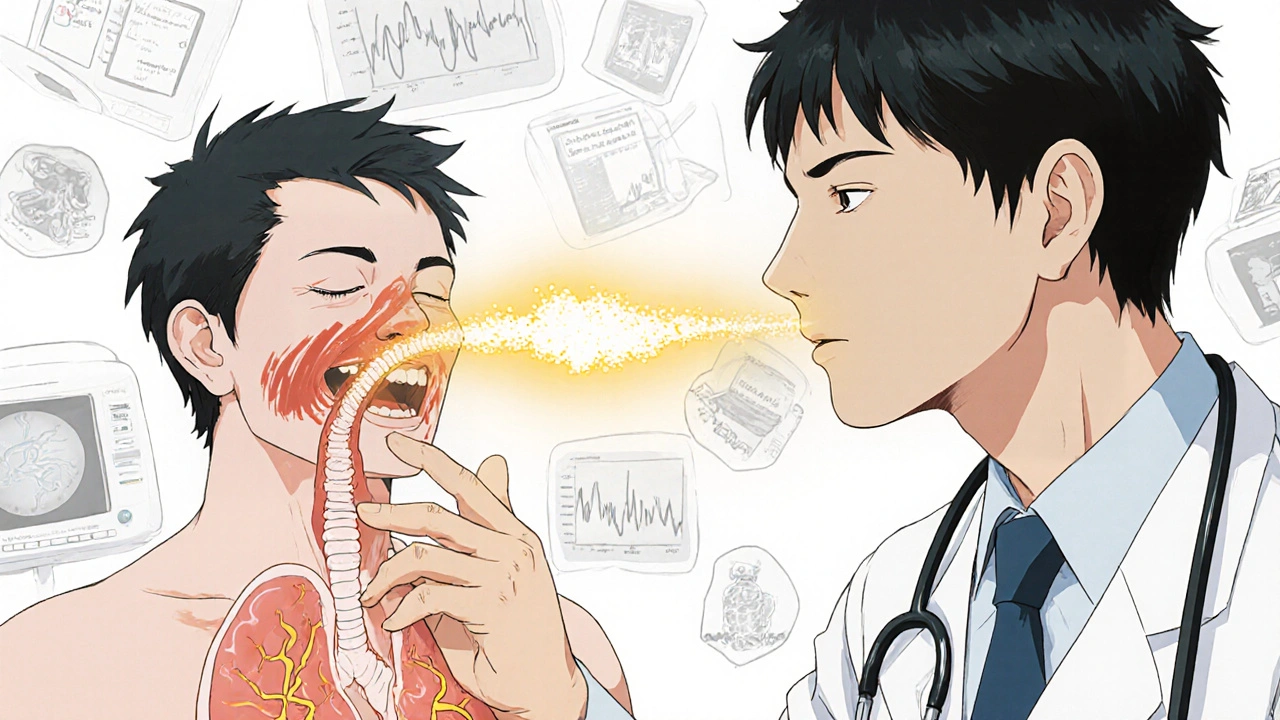
NSAIDs work by blocking enzymes called COX-1 and COX-2, which help control inflammation and pain. But in people with NERD, blocking COX-1 throws the body’s chemistry out of balance. Instead of making protective anti-inflammatory compounds like prostaglandin E2, the body shifts toward producing large amounts of leukotrienes - powerful chemicals that tighten airways and cause mucus buildup. The result? Within 30 minutes to 3 hours after taking an NSAID, asthma symptoms can go from mild to severe - sometimes requiring emergency care.
This reaction doesn’t happen because of an allergy in the traditional sense. It’s a pharmacological intolerance. That means it’s not your immune system reacting to the drug as a foreign invader. It’s your airways being chemically hijacked by how your body processes the medication. And here’s the catch: if you react to one NSAID, you’ll likely react to all of them. That includes ibuprofen, naproxen, diclofenac, ketoprofen, and even low-dose aspirin used for heart protection.
Who’s Most at Risk?
Not everyone with asthma is at risk. NERD tends to show up in specific groups. Most patients are diagnosed between the ages of 30 and 40 - rarely before 20. Women make up about 70% of cases. Many are overweight. And nearly all have chronic sinus problems with nasal polyps - those noncancerous growths in the nose that cause constant stuffiness and loss of smell.
If you’ve had asthma for years but only started having serious flare-ups after your 30th birthday, especially if you also have nasal polyps or frequent sinus infections, you should consider NERD as a possible cause. Studies show that up to 50% of people with chronic rhinosinusitis and nasal polyps also have NERD. That’s not a coincidence. The same inflammatory process that causes polyps in your sinuses is also making your lungs more sensitive to NSAIDs.
What Symptoms Should You Watch For?
People with NERD don’t just get worse asthma. Their entire upper and lower airway system reacts. Here’s what a typical reaction looks like:
- Sudden nasal congestion or runny nose (often before breathing problems start)
- Itchy, watery eyes
- Wheezing or chest tightness
- Shortness of breath, even at rest
- Increased coughing or mucus production
- In severe cases: asthma attack requiring nebulizer or hospital visit
Many patients first mistake these symptoms for a cold or seasonal allergy. They take a painkiller for a headache, then suddenly feel like they can’t breathe. They think it’s just a bad allergy day - until it happens again. And again. After several episodes, they finally see an allergist and get diagnosed.
What Pain Relievers Are Safe?
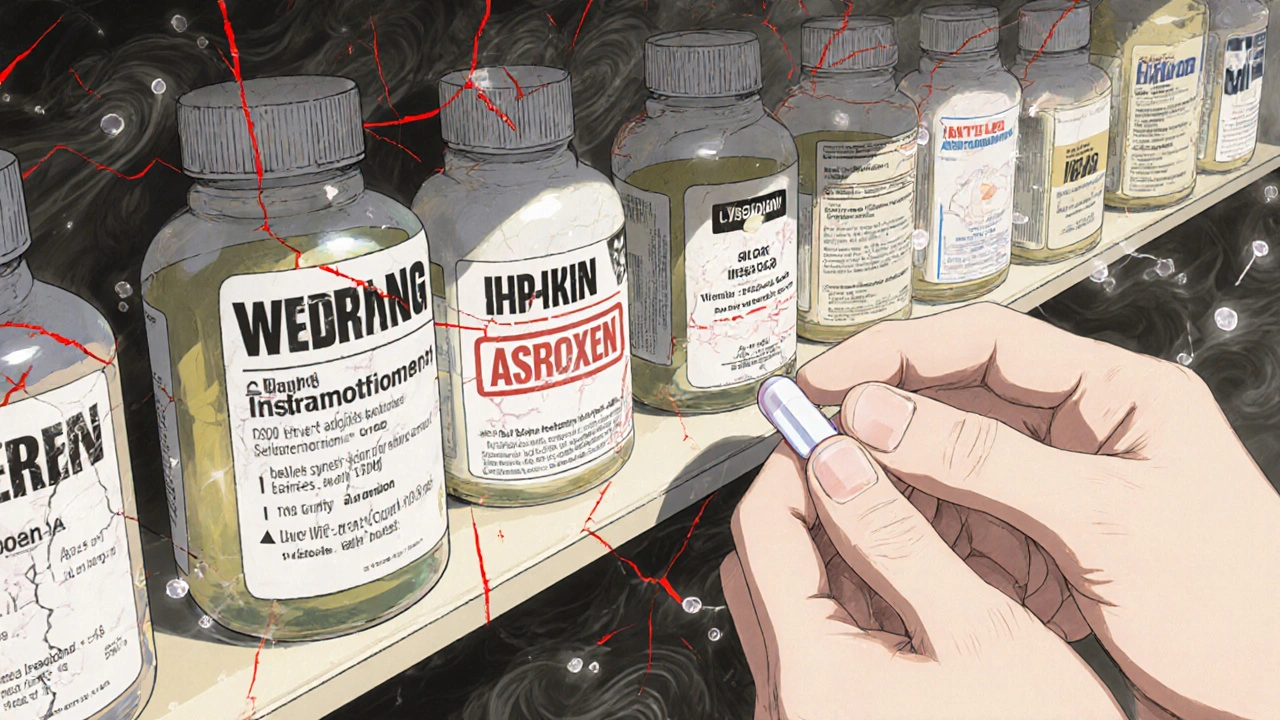
Not all painkillers are dangerous. Acetaminophen (Tylenol) is usually safe for people with NERD - but not for everyone. About 5-10% of patients still react to high doses (over 1000mg). So stick to the lowest effective dose. Avoid combination products like Excedrin or Midol, which often contain aspirin or NSAIDs hidden under brand names.
COX-2 inhibitors like celecoxib (Celebrex) are another option. These drugs were designed to avoid COX-1, so they don’t trigger the same reaction. Clinical studies show they’re generally safe for NERD patients. But they’re prescription-only and come with their own risks, like heart issues, so they’re not for everyone.
One thing to remember: NSAIDs are everywhere. They’re in cold medicines, flu remedies, menstrual pain pills, arthritis creams, and even some toothpaste for sensitive gums. Always check the ingredient list. Look for these names:
- Aspirin
- Ibuprofen
- Naproxen
- Diclofenac
- Ketoprofen
- Indomethacin
- Mefenamic acid
If you see any of these, avoid the product - even if it’s labeled as "for colds" or "for sinus relief."
Is There a Treatment Beyond Avoidance?
Yes - but it’s not for everyone. Aspirin desensitization is a specialized procedure done under strict medical supervision. You start with tiny, controlled doses of aspirin and slowly increase over days or weeks. The goal? Train your body to tolerate it. Once desensitized, many patients find their asthma improves, nasal polyps shrink, and they can use aspirin safely long-term.
This isn’t a quick fix. It requires multiple visits to an allergy or immunology clinic. It’s only recommended for people with severe, poorly controlled NERD who are committed to ongoing treatment. But for those who qualify, it can be life-changing.
What Should You Do Now?
If you have asthma - especially if you also have nasal polyps, chronic sinus infections, or started having worse asthma after age 30 - talk to your doctor. Don’t wait for a bad reaction to happen. Ask:
- Could I have NSAID-exacerbated respiratory disease?
- Should I be tested for NERD?
- What pain relievers are safe for me?
- Can you help me create a medication safety plan?
Keep a list of all your medications - prescription and over-the-counter - and bring it to every appointment. If you’ve ever had a sudden asthma flare after taking a painkiller, write it down. That detail could be the key to your diagnosis.
Also, consider wearing a medical alert bracelet that says "NSAID Sensitivity - Asthma Risk." In an emergency, that simple piece of plastic could save your life.
Why This Matters More Than You Think
Most people think asthma is just about breathing. But NERD shows how deeply connected your sinuses, lungs, and immune system are. It’s not just about avoiding a drug - it’s about understanding how your body works, what triggers inflammation, and how to take control before it takes control of you.
For years, patients with NERD were told to "just avoid painkillers" and left to figure out the rest. But now we know more. We know who’s at risk. We know what happens in the body. We know what’s safe. And we know there are options beyond suffering in silence.
If you’re one of the 7% - or even if you’re just unsure - don’t guess. Get tested. Talk to a specialist. And never assume a painkiller is harmless just because it’s sold on a pharmacy shelf.
Can I take Tylenol if I have NSAID-sensitive asthma?
Yes, acetaminophen (Tylenol) is generally safe for most people with NSAID-sensitive asthma. However, about 5-10% of patients may still react to doses over 1000mg. Stick to the lowest dose that works, and avoid combination products that may contain hidden NSAIDs. Always check the label.
Are COX-2 inhibitors like Celebrex safe for asthma patients?
Celecoxib (Celebrex) and other COX-2 selective inhibitors are typically safe for people with NERD because they don’t block COX-1, the enzyme that triggers the reaction. Clinical studies support their use in this group. But they’re prescription-only and carry cardiovascular risks, so they’re not suitable for everyone. Talk to your doctor about whether it’s right for you.
Can I develop NSAID sensitivity later in life if I’ve never had a problem before?
Yes. NERD usually develops between ages 30 and 40, even in people who’ve taken NSAIDs safely for years. It’s not an allergy you’re born with - it’s a condition that develops over time, often linked to worsening sinus disease or nasal polyps. If you suddenly start having asthma flare-ups after taking ibuprofen or aspirin, get evaluated.
Do all NSAIDs trigger the same reaction?
Yes. If you’re sensitive to one NSAID, you’re likely sensitive to all of them - including aspirin, ibuprofen, naproxen, and diclofenac. This is because they all inhibit COX-1, which triggers the inflammatory cascade in NERD. Even low-dose aspirin (75mg) can cause a reaction in highly sensitive individuals.
Is there a blood test to diagnose NSAID-sensitive asthma?
There’s no single blood test that confirms NERD. Diagnosis is based on your medical history, symptoms, and sometimes a supervised aspirin challenge test in a clinic. Doctors may check for high eosinophil levels or elevated urinary LTE4, which are signs of the inflammatory process, but these are supportive, not definitive. The gold standard is a controlled reaction under medical supervision.
Can aspirin desensitization cure my asthma?
It doesn’t cure asthma, but for many with NERD, it significantly improves control. After desensitization, patients often need fewer asthma medications, have fewer flare-ups, and experience reduced nasal polyp size. It’s a long-term management strategy, not a cure - but for those who qualify, it can dramatically improve quality of life.




Comments (20)
Kathleen Koopman
I had no idea NSAIDs could do this 😱 I took ibuprofen for years and never thought twice. Last year I had a full-blown asthma attack after a headache pill. Turns out I have nasal polyps too. This post saved my life.
Nancy M
As someone who's lived with asthma since childhood, I wish this information was more widely known. So many people assume that if it's sold over the counter, it's harmless. But the connection between sinus issues and lung reactions is rarely explained to patients. This is public health literacy we're missing.
gladys morante
I’ve been avoiding all pain meds for 12 years because of this. My doctor never told me why. I just knew I’d get wheezing after Advil. Now I know it’s NERD. Still no one ever explained the science behind it until now.
Precious Angel
This is the most terrifying thing I’ve read all year. They’re poisoning us with these drugs and calling them safe. Big Pharma doesn’t want you to know that your asthma is being triggered by pills you buy at CVS. They profit off your emergency visits. And now they’re pushing COX-2 inhibitors like Celebrex - same corporate agenda, just a different flavor of poison. Don’t trust the system. Read the labels. Fight back.
Melania Dellavega
It’s wild how our bodies communicate through inflammation - the sinuses and lungs are connected in ways we still don’t fully understand. I used to think asthma was just a lung thing. Now I see it’s a whole-system signal. If you’ve got chronic congestion and sudden wheezing after painkillers, it’s not coincidence. It’s your body screaming for attention. Listen.
Bethany Hosier
I think this is all part of the vaccine/5G/flu shot agenda. Why else would they make painkillers so dangerous? The government knows this and hides it. I checked the ingredients - they all contain aluminum nanoparticles. You think Tylenol is safe? Think again. It’s laced with tracking agents. Don’t be fooled.
Krys Freeman
So what? Just don’t take the pills. Problem solved. Stop making everything a medical emergency.
Shawna B
Tylenol good. Ibuprofen bad. Avoid both if you can.
Jerry Ray
I’ve taken naproxen for 20 years and never had an issue. This is just fearmongering. Maybe you’re allergic to something else. Don’t blame the drug.
Sophia Lyateva
i think the FDA is hiding this on purpose. they dont want us to know that asprin and ibuprofen are actually causing more asthma than smoking. its all a cover up. they want us to keep buying pills so they can make money. i saw a video on youtube about this and it made sense. dont trust the doctors they work for the pharma companies.
AARON HERNANDEZ ZAVALA
I appreciate this post. I’ve got asthma and polyps and never connected the dots. I used to blame my allergies for the flare-ups. This makes so much sense. I’m going to talk to my allergist next week. Thanks for sharing.
Lyn James
People like you who casually take NSAIDs without understanding the consequences are why our healthcare system is collapsing. You don’t read labels. You don’t research. You just pop pills like candy and then wonder why you end up in the ER. This isn’t just about asthma - it’s about personal responsibility. If you can’t be bothered to learn what’s in a pill, you deserve the consequences. Stop being lazy. Educate yourself. Or stop complaining.
Craig Ballantyne
The pathophysiology of NERD is well-documented in the literature, particularly in relation to the arachidonic acid cascade dysregulation. The COX-1 inhibition leads to a shunt toward 5-lipoxygenase metabolites, specifically cysteinyl leukotrienes, which are potent bronchoconstrictors. The nasal polyp association is due to shared mucosal eosinophilic inflammation. Aspirin desensitization remains the gold standard for refractory cases, with success rates exceeding 80% in properly selected cohorts.
Victor T. Johnson
I’ve been doing aspirin desensitization for 3 years now and it changed everything. My polyps shrunk, my inhaler use dropped by 70%, and I can finally take aspirin for my heart. It’s not easy - it’s a process - but if you’re suffering, it’s worth it. Don’t give up. You’re not alone.
Nicholas Swiontek
This is such an important post. I’ve got a cousin who almost died after taking ibuprofen and didn’t know why. She thought it was a cold. Now she’s on Tylenol only and feels like a new person. Please share this with anyone who has asthma. It could save their life.
Robert Asel
You’re all underinformed. The real issue is that most patients don’t get tested for urinary LTE4 levels before being told to avoid NSAIDs. Without objective biomarkers, you’re just guessing. This isn’t medicine - it’s anecdotal guesswork. Real clinicians use spirometry, sputum eosinophils, and provocation testing. Stop treating this like a Reddit advice column.
Shannon Wright
If you’re reading this and you’ve had asthma since your 20s but only started having bad reactions after 30 - please, don’t ignore it. I was diagnosed with NERD at 34 after three ER visits. I thought I was just getting sicker. Turns out, it was the painkillers. I started aspirin desensitization and now I can sleep through the night. You’re not broken. You just haven’t found the right answer yet. Keep asking questions. You deserve to breathe.
vanessa parapar
Of course it’s NSAIDs. Everyone knows Tylenol is the only safe one. But you people still take ibuprofen like it’s water. You’re not being careful. You’re being dumb. And now you’re surprised when your lungs shut down? This is basic. Stop being careless.
Ben Wood
I’m shocked - SHOCKED - that this isn’t mandated on every single OTC bottle. The FDA is complicit. The labeling is intentionally misleading. "For pain relief" - but not for your lungs? That’s negligence. I’ve written to my senator. I’ve filed complaints. This is a public health crisis. And you? You’re still buying the pills. Wake up.
Sakthi s
Good info. I have asthma and avoid NSAIDs. Tylenol works fine. Stay safe.