
Why Some Meds Cause Nosebleeds
Ever wondered why your nasal passages feel fragile after taking certain pills? About 60% of people experience nosebleeds (medically called epistaxis) at least once in their lives, per University of Utah Health. Roughly one-third report recurrent episodes, often tied to daily medications. Even drugs meant to heal you can weaken your nasal lining.
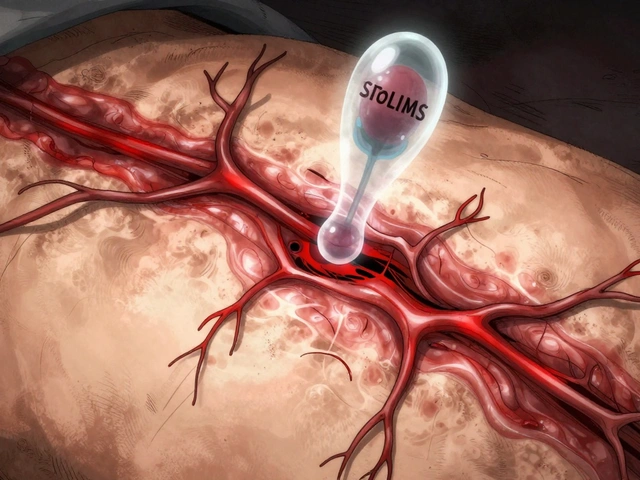
The problem usually boils down to two culprits: blood-thinning effects and dried-out tissues. NSAIDs like ibuprofen disrupt platelet function within hours of ingestion. Meanwhile, antihistamines and decongestants strip moisture from Kiesselbach's plexus - that delicate capillary web right inside your nostrils where most bleeds originate. A single dose of aspirin (even 81mg "baby aspirin") can extend bleeding time by 45%, according to Brown Health studies.
Culprit Medication Classes
| Class | Key Examples | How They Harm Nasal Tissues |
|---|---|---|
| NSAIDs | Ibuprofen, naproxen | Blocks clotting proteins via COX enzymes |
| Blood Thinners | Warfarin, clopidogrel | Disrupts vitamin K-dependent factors (II, VII, IX, X) |
| Nasal Sprays | Oxymetazoline | Causes rebound congestion + mucosal erosion |
| Allergy Meds | Loratadine, cetirizine | Dries protective mucus layer |
Heparin users face unique dangers. Five days after starting IV therapy, some develop heparin-induced thrombocytopenia (HIT), causing paradoxical bleeding risks. VisualDx notes 5-10% of heparin-treated patients manifest epistaxis this way. Always track your INR levels if on warfarin - target ranges differ wildly between heart valve patients (INR 2.5-3.5) versus DVT prophylaxis (INR 2.0-3.0).

Moisture Matters Most
Your nasal membranes thrive on humidity. When winter heating drops indoor air to under 30% humidity (per Summa Health), those capillaries crack like parched earth. Here's what actually works:
- Petroleum jelly application: Apply rice-grain-sized dollops 3x daily. WebMD confirms this creates a physical barrier against cracking.
- Saline spray routine: Use isotonic solutions twice daily - never preservative versions which irritate further.
- Humidifier placement: Position cool-mist units 6ft from your bed. Avoid direct airflow on your face which dries surfaces faster.
- No picking rule: Dartmouth-Hitchcock found 89% of children who pick noses have double recurrence rates. Trim nails short instead.
Emergency Steps During Active Bleeding
- Stand upright and lean slightly forward - tilting back lets blood pool in your throat.
- Pinch technique: Squeeze soft cartilage (not bone!) for 10+ minutes. Set a timer; most people quit too early.
- Apply ice packs to the bridge - constricts vessels better than cold cloths alone.
- If spraying blood >20 mins or feeling faint, go to ER immediately. Uncontrolled anticoagulant bleeds can lead to hospital admission.

When to Talk to Your Doctor
Don't panic over one-time bleeds. But recurring issues warrant review if you notice:
- Frequent bleeds despite proper moisturization
- Spotting while brushing teeth or shaving
- Unusual bruising patterns on legs/arms
- New headaches with vision changes
FAQ
Can I stop my blood thinner due to nosebleeds?
Never discontinue anticoagulants without medical supervision. Stopping suddenly may trigger strokes/clots. Ask your doctor about switching to lower-risk alternatives like apixaban if epistaxis becomes frequent.
Is acetaminophen truly safer than ibuprofen for pain?
Yes. Unlike NSAIDs, acetaminophen doesn't inhibit cyclooxygenase pathways involved in clotting. However, high doses (>3g/day) can harm liver function in susceptible individuals.
Do pregnancy hormones cause medication-linked nosebleeds?
Pregnancy expands nasal vessels naturally, making them more fragile. Combined with prenatal vitamins containing iron (which can increase acidity) or prescribed low-dose aspirin, risk multiplies. Use humidifiers aggressively during third trimester.
What about kids who get nosebleeds after allergy shots?
Allergy immunotherapy sometimes thins mucus temporarily. If bleeds occur within 2 hours post-injection, ask about adding saline pre-treatment routines. Pediatricians rarely recommend delaying therapy though.

Comments (8)
Debra Brigman
The fragility of the human epistaxis mechanism is truly a poetic tragedy when viewed through modern pharmacological lenses. Our internal landscapes are constantly shifting terrains where moisture acts as the primary guardian against hemorrhage. When winter winds howl around our homes the skin barrier becomes as thin as rice paper. We must acknowledge that chemical compounds intended to heal can paradoxically erode the very vessels they protect. Visualizing Kiesselbach plexus as a delicate web reveals why drying agents cause such catastrophic failures. Every pill taken introduces variables that ripple through our biological symphony in unpredictable ways. Humidity remains the unsung hero in maintaining vascular integrity throughout the changing seasons. Petroleum creates a shield that mimics the natural oils lost during seasonal transitions effectively. We should stop treating the symptom and start honoring the environment that sustains us internally.
tyler lamarre
It is astonishing that people still believe in magic cures when the science right here tells us otherwise. Most individuals skip the reading part and just wonder why their faces bleed during flu season. The table provided lists obvious facts that anyone could find without needing a lecture. Warfarin thins blood which means things leak and that is basic biology 101. Why waste time discussing home remedies when you could just read the label on your bottle. The internet loves to invent complexity where none exists to sell more anxiety products. Heparin risks are documented everywhere yet people act surprised when complications arise naturally. Ignorance is a choice and clearly many people choose to remain blissfully unaware of side effects. Taking responsibility for your own medication intake would save everyone a lot of trouble today.
Tony Yorke
saline spray routine is the best advice listed here
Rachael Hammond
hii dont be so grumpy about the medicine stuff coz its not alwayes easy to understand all the terms. im sure the author just wants to help people keep therir nose safe and sound from dry air issues. picking at your nose is bad but sometimes you cant help it when its itchy and raw inside. the ice pack thing sounds like a good idea for when the bleeding starts to happen suddenly. i definately feel like knowing the signs helps you sleep better at night without worry. its nice to see a guide that explains the why behind the symptoms we experience everyday. lets hope everyone stays healthy and hydrated through the cold winter months ahead.
Jeannette Kwiatkowski Kwiatkowski
the semiotics of nasal hygiene are completely overlooked by mainstream discourse lately. we operate in a culture that treats mucosal integrity as secondary to convenience. oxymetazoline abuse creates a dependency loop that ruins the structural foundation of the septum. elite understanding requires seeing beyond the immediate relief to the systemic degradation occurring silently. most consumers prioritize speed over safety which is ultimately self defeating in the long term. true sophistication lies in recognizing the invisible damage done by common household items. we must elevate our collective consciousness regarding pharmaceutical interactions and atmospheric conditions.
Kameron Hacker
Your dismissal of scientific clarity demonstrates a lack of rigor regarding personal healthcare protocols. One cannot simply rely on feeling when discussing anticoagulant therapy risks. The suggestion that discomfort excuses negligence in medical compliance is logically flawed. Proper documentation of symptoms is required before assuming any environmental remedy will suffice. This level of anecdotal evidence does not justify changing established treatment plans casually. Medical guidelines exist for a reason and deviation invites preventable morbidity. Stop minimizing the severity of recurrent epistaxis events with casual language.
Aaron Olney
OMG this post litreally changed my whole outlook on how i manage my meds becuse i was losing blood daily. it feels amazing to finally undrstand that the ibuprofin was the culprit all along causing this mess. my head hurts thinking about all the times i ignored the warning signs before reading this detailed breakdown. the part about the pinching technique seems so simple yet effective when you actually follow instructions properly. i wish i had known about the humidity factor years ago so my nose wouldnt be so scarred up. every day without bleeding feels like a miracle granted by the universe to people like us. thank god someone wrote this down before it was too late for my poor fragile tissues.
Paul Vanderheiden
You took the first brave step towards understanding your body which is wonderful to hear. Many people suffer in silence because they do not realize medication plays a role in the bleeding. Seeing you engage with the information shows such a strong commitment to self care growth. Small changes like applying the petroleum jelly will build up protection slowly over time. Do not despair if it takes a while for the tissues to fully heal back again. Consistency is the key ingredient that unlocks lasting stability in your nasal passages eventually. Trust the process and remember that your health is worth fighting for daily. Winter will pass and the air will become more forgiving with springtime approaching soon. Keep tracking your INR numbers if you are on warfarin to stay safe always. Listen to your body signals when they tell you to stop taking certain pills for a bit. Hydration from the inside out complements the external moisturizers perfectly well too. You are capable of managing this condition with the right knowledge and support network. We are all here to learn together so please share more updates when you can. Hope you find relief soon and get back to feeling your best self again. Remember that healing is a journey and not a single event or quick fix moment.