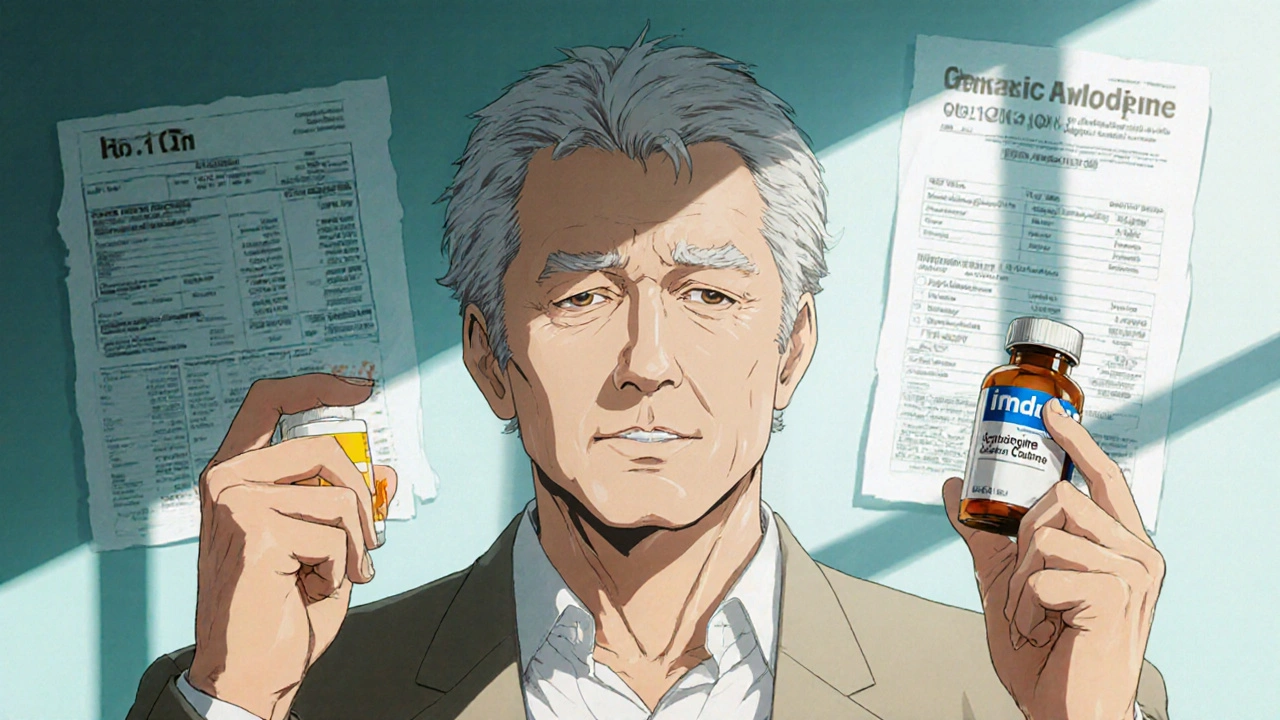
If you’re taking Imdur for angina, you’ve probably wondered if there are better, cheaper, or safer options. You’re not alone. Many people on Imdur (isosorbide mononitrate) ask the same thing: Is there something else that works just as well - or better? The answer isn’t simple, but it’s practical. Let’s cut through the noise and compare Imdur with real alternatives used in daily practice.
What Imdur Actually Does
Imdur is the brand name for isosorbide mononitrate, a long-acting nitrate. It works by relaxing blood vessels, which lowers blood pressure and reduces the heart’s workload. This helps prevent chest pain (angina), especially during physical activity or stress. It’s not a quick fix - it doesn’t stop an angina attack once it starts. Instead, it’s taken daily to keep your arteries open and reduce how often attacks happen.
Most people take one tablet a day, usually in the morning. The standard dose ranges from 30 to 120 mg. It’s not a cure. It’s a maintenance drug. And like all long-term heart meds, it comes with trade-offs - side effects, tolerance, cost, and interactions.
Common Alternatives to Imdur
There are three main classes of drugs doctors turn to when Imdur isn’t working, isn’t tolerated, or is too expensive:
- Other nitrates - like isosorbide dinitrate (Isordil) or nitroglycerin patches
- Beta-blockers - such as metoprolol, atenolol, or carvedilol
- Calcium channel blockers - like amlodipine, diltiazem, or verapamil
Each has a different way of reducing angina. None are identical to Imdur. But some may work better for you.
Isosorbide Dinitrate (Isordil)
Isordil is another form of isosorbide, but it’s the dinitrate version - not mononitrate. It’s shorter-acting and usually taken two to three times a day. That means more pills, more timing issues, and a higher chance of missing a dose.
But here’s the key difference: Isordil doesn’t build tolerance as quickly as Imdur. Some patients switch to Isordil specifically because they’ve developed tolerance to Imdur. Tolerance means your body stops responding as well - a common problem with long-term nitrate use. A doctor might prescribe Isordil on a schedule that includes a nitrate-free window (like skipping the evening dose) to reset your sensitivity.
Cost-wise, Isordil is usually cheaper than Imdur, especially in generic form. But the dosing complexity makes it harder for older adults or those on multiple meds to stick with it.
Beta-Blockers: Metoprolol, Atenolol, Carvedilol
Beta-blockers are often the first-line treatment for angina - even before nitrates. They slow your heart rate and lower blood pressure, reducing how hard your heart has to work. That’s the same goal as Imdur, just a different path.
Metoprolol succinate (Toprol XL) is taken once daily, just like Imdur. Atenolol is even cheaper. Carvedilol has extra benefits for people who also have heart failure. Unlike nitrates, beta-blockers don’t cause tolerance. They work consistently over time.
Downsides? Fatigue, dizziness, cold hands, and sometimes depression or trouble sleeping. If you’re active or athletic, you might notice reduced stamina. But for someone with high blood pressure or a history of heart attack, beta-blockers often outperform nitrates in long-term outcomes.
Studies show beta-blockers reduce the risk of future heart attacks more reliably than nitrates alone. That’s why many guidelines now list them as preferred first-line therapy.

Calcium Channel Blockers: Amlodipine, Diltiazem, Verapamil
Calcium channel blockers (CCBs) relax the muscles in your artery walls, just like nitrates - but they also slow heart rate (some of them) and reduce blood pressure. Amlodipine is the most common. It’s once-daily, cheap, and has fewer side effects than many other heart meds.
One big advantage: CCBs don’t cause tolerance. They also work well for people who can’t take beta-blockers (like those with asthma or very slow heart rates). Diltiazem and verapamil are especially useful if you have both angina and high blood pressure.
A 2023 analysis in the Journal of the American College of Cardiology found that amlodipine was as effective as isosorbide mononitrate in reducing angina episodes - with fewer headaches and less dizziness. Headaches are the #1 reason people stop taking Imdur.
Comparing Side Effects
Not all drugs are created equal when it comes to how they make you feel. Here’s how the most common alternatives stack up:
| Side Effect | Imdur (Isosorbide Mononitrate) | Isordil (Isosorbide Dinitrate) | Beta-Blockers | Calcium Channel Blockers |
|---|---|---|---|---|
| Headaches | Very common (up to 40%) | Common (30-35%) | Uncommon | Uncommon |
| Dizziness/Lightheadedness | Common (20-25%) | Common (20-25%) | Common (15-20%) | Common (10-15%) |
| Tolerance (loss of effect) | Yes, develops over weeks | Less likely with proper dosing | No | No |
| Low blood pressure risk | High | High | Moderate | Moderate |
| Fatigue | Low | Low | High | Low |
| Cost (generic monthly) | $25-$40 | $10-$20 | $5-$15 | $5-$15 |
Headaches are the #1 reason people quit Imdur. If you’re getting daily headaches, it’s not "just a side effect" - it’s your body telling you the drug isn’t right for you. Beta-blockers and calcium channel blockers rarely cause this.
When to Consider Alternatives
You should talk to your doctor about switching if:
- You get headaches every day after taking Imdur
- You’ve noticed your angina is coming back more often - tolerance may be setting in
- You’re on multiple pills and want to simplify your regimen
- You’re paying over $40/month for a brand-name version when generics cost under $10
- You have other conditions like asthma, slow heart rate, or heart failure
Never stop Imdur cold turkey. Sudden withdrawal can trigger severe angina or even a heart attack. Always taper under medical supervision.

What About Newer Options?
There are newer drugs like ranolazine (Ranexa) and ivabradine (Corlanor). Ranolazine works differently - it changes how heart cells use energy. It’s often added to beta-blockers or CCBs when angina still occurs. It doesn’t lower blood pressure, so it’s safe for people who get dizzy easily.
Ivabradine slows the heart rate without affecting blood pressure. It’s used when beta-blockers aren’t tolerated or aren’t enough. But it’s expensive and only approved for specific cases.
For most people, these aren’t first choices. They’re add-ons, not replacements. Stick with the basics unless your angina is still uncontrolled.
Cost and Insurance: The Real-World Factor
Imdur brand can cost $150+ a month. Generic isosorbide mononitrate? Around $25-$40. But generic isosorbide dinitrate? $10-$20. Metoprolol succinate? $5-$10. Amlodipine? $3-$10.
Insurance often favors the cheapest option. If your plan doesn’t cover Imdur but covers amlodipine, your pharmacist might automatically substitute it - unless your doctor writes "do not substitute." That’s legal and common. Don’t assume your doctor knows your copay. Ask.
Bottom Line: What Works Best?
There’s no single best drug. The right choice depends on your body, your other conditions, your budget, and your lifestyle.
- If you hate headaches and want the cheapest option → amlodipine
- If you have high blood pressure or past heart attack → metoprolol or carvedilol
- If Imdur stopped working → Isordil with nitrate-free hours
- If you can’t take beta-blockers or need something gentle → verapamil or diltiazem
Many patients end up on a combination - like a calcium channel blocker plus a low-dose nitrate. That’s not failure. That’s smart management.
The goal isn’t to find the "best" drug. It’s to find the one that lets you live without chest pain, without daily headaches, without breaking the bank. Talk to your doctor. Ask about generics. Ask about alternatives. Your heart will thank you.
Can I switch from Imdur to a beta-blocker on my own?
No. Never stop or switch heart medications without your doctor’s guidance. Abruptly stopping Imdur can trigger severe angina or even a heart attack. Beta-blockers also need to be started slowly to avoid side effects like low blood pressure or dizziness. Always work with your provider to make a safe transition.
Does Imdur cause weight gain?
No, Imdur itself does not cause weight gain. However, if your angina improves and you become more active, you might gain muscle or retain fluid due to other medications like calcium channel blockers. Weight changes are usually tied to other drugs or lifestyle changes, not isosorbide mononitrate.
Is there a natural alternative to Imdur for angina?
There are no proven natural alternatives that work like Imdur. Some people try coenzyme Q10, L-arginine, or beetroot juice for blood vessel health, but none have been shown to reliably prevent angina attacks. These might support heart health, but they are not substitutes for prescribed medication. Relying on supplements alone can be dangerous.
How long does it take for Imdur to start working?
Imdur is a long-acting medication. It takes about 1 hour to reach peak levels in your blood, but its full effect builds over several days of consistent use. It’s not meant to relieve sudden chest pain - for that, you need fast-acting nitroglycerin spray or tablets. Imdur is for prevention, not emergency relief.
Can I drink alcohol while taking Imdur?
Avoid alcohol. Both Imdur and alcohol lower blood pressure. Together, they can cause a dangerous drop in blood pressure, leading to dizziness, fainting, or falls. Even one drink can amplify the effect. If you drink regularly, talk to your doctor about safe limits or whether you should switch medications.
Next Steps
If you’re on Imdur and wondering if there’s a better fit:
- Write down your symptoms - how often do you get angina? Do you have headaches? Dizziness?
- Check your prescription cost. Use GoodRx or your pharmacy’s price checker to compare generics.
- Ask your doctor: "Are there cheaper or better-tolerated options for me?" Bring this article with you.
- Don’t assume your current med is the only option. Many patients find relief with a switch - and save money at the same time.
Your heart doesn’t need fancy drugs. It needs consistent, safe, affordable care. Sometimes, the best alternative isn’t new - it’s just cheaper, simpler, and better suited to your life.




Comments (9)
Koltin Hammer
Man, I’ve been on Imdur for two years and honestly? The headaches were killing me. Not the kind where you grab ibuprofen and move on - I mean, like, staring at the ceiling for an hour while your skull tries to burst out. Switched to amlodipine after my pharmacist said "Dude, this is $8 a month," and now I’m not just alive - I’m actually walking my dog without feeling like I’m about to pass out. No more daily migraine vibes. Also, my blood pressure’s better. Who knew the cheapest option was the winner?
Connor Moizer
Stop pretending Imdur is some magic bullet. It’s a band-aid on a broken heart. Beta-blockers? They don’t just mask pain - they change your survival odds. If you’re still on nitrates because you’re scared of fatigue, you’re not protecting your heart - you’re just avoiding discomfort. Real talk: if you’re not on a beta-blocker and you’ve had a heart event, you’re doing it wrong. Get off the nitrate hamster wheel. Your future self will thank you.
Eric Gregorich
Look, I get it - we all want the perfect pill. But let’s be real: medicine isn’t about finding the best drug, it’s about finding the drug that doesn’t make you want to jump off a bridge. Imdur gave me headaches so bad I started avoiding sunlight. Isordil? More pills, same pain, just spread out. Then I tried carvedilol. First week: I felt like a zombie. Second week: I could climb stairs without gasping. Third week: I didn’t even think about my heart. That’s the real win - not the cost, not the brand, not the fancy study. It’s waking up and forgetting you have a disease. That’s the holy grail. Nobody talks about that part.
And don’t get me started on the "natural alternatives" crowd. Beet juice won’t save you. CoQ10 won’t stop your arteries from screaming. You want to live? Take the damn pill. The rest is just spiritual bypassing with a side of wellness influencer nonsense.
Also, if your doctor doesn’t ask about your copay, find a new one. That’s not medical care - that’s corporate negligence dressed in a white coat. My last doc didn’t even know generic amlodipine was cheaper than my coffee. I switched. My heart’s happier. My wallet’s happier. My therapist? Still confused why I’m suddenly so chill.
Phil Best
Imdur is the pharmaceutical equivalent of a noisy neighbor who won’t stop playing bass at 3 a.m. You tolerate it because you think it’s the only option - until you realize you can just move. Amlodipine? Quiet. Effective. Doesn’t make you question your life choices every morning. And at $5? It’s basically a public service. Meanwhile, Imdur’s headache side effect is basically the drug’s way of whispering: "You’re not supposed to be here." Listen to your body. It’s not being dramatic. It’s being honest.
kanishetti anusha
I have been on Imdur for 6 months. My husband told me to ask doctor about metoprolol. I was scared. But now I am on it. No headache. No dizziness. I can cook, clean, play with my children - no fear. I am so happy. I think many people do not know that cheaper medicine can be better. Thank you for this article. It helped me to talk to doctor.
Parv Trivedi
As someone who manages multiple chronic conditions, I appreciate the clarity of this breakdown. Many patients, especially in developing regions, are unaware that alternatives like amlodipine or metoprolol are not only more affordable but often more effective in the long term. I’ve seen elderly patients on Imdur struggle with adherence due to dosing complexity and side effects - switching to once-daily, low-cost options has dramatically improved their quality of life. The real issue isn’t the medication - it’s access to information and affordable care. Let’s advocate for better patient education, not just better pills.
roy bradfield
Let me tell you what they don’t want you to know. The pharmaceutical companies made Imdur expensive because they knew people would pay for it. They knew headaches would keep you coming back - because if you stop, you might die. So they sold you a slow poison wrapped in a prescription. Meanwhile, amlodipine? Developed in the 1980s. Patent expired. Cost: pennies. But they don’t advertise it. Why? Because they don’t make billions off it. This isn’t medicine - it’s a controlled economy. They want you dependent. They want you confused. They want you scared to switch. Don’t be. Ask for the generic. Demand the cheaper option. They’re not protecting you - they’re protecting their profits.
Rodney Keats
So you’re telling me the drug that gives me daily migraines is the gold standard? Cool. Cool cool cool. I’m sure the guy who invented this thing was just trying to make life better. Next you’ll tell me aspirin was designed to give you tinnitus. Right. Whatever. I’m on amlodipine now. No headaches. No drama. Just… life. Thanks for the reminder that sometimes the answer isn’t more medicine - it’s less nonsense.
Willie Randle
For the record: never switch cardiac meds without supervision. That’s not fear-mongering - it’s physiology. Nitrate withdrawal can cause rebound ischemia. Beta-blockers require titration to avoid bradycardia or hypotension. This article is excellent, but the final line - "talk to your doctor" - isn’t a platitude. It’s the only thing that matters. Your life depends on clinical judgment, not Reddit advice. Use this info to ask better questions. Don’t use it to self-prescribe. There’s a difference between empowerment and endangerment.