
Warfarin-Antibiotic Interaction Checker
Select an antibiotic and click "Check Interaction Risk" to see detailed guidance on managing your INR levels.
You’re on Warfarin, a vitamin K antagonist anticoagulant used to prevent blood clots. You catch a cold, get an infection, or need dental work. Your doctor prescribes an antibiotic. It sounds simple enough, right? But for the millions of people taking warfarin, adding an antibiotic is like walking into a minefield without a map. One wrong step-a specific type of antibiotic-and your blood becomes too thin, leading to dangerous bleeding risks.
This isn't just theoretical. Studies show that taking any antibiotic while on warfarin doubles your risk of bleeding severe enough to require hospitalization. Yet, about 20-30% of warfarin patients receive antibiotics every year. The good news? You don’t have to stop taking either medication. You just need to know how they interact and how to manage them safely. Here is what you need to understand about keeping your International Normalized Ratio (INR) stable when these two powerful drugs meet.
Why Do Warfarin and Antibiotics Clash?
To manage the interaction, you first need to know why it happens. It’s not magic; it’s biology. There are three main ways antibiotics mess with warfarin’s job of thinning your blood.
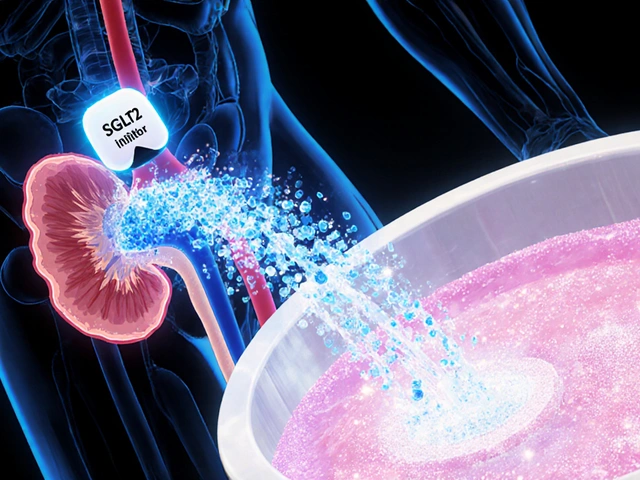
1. They block the enzymes that break down warfarin. Your liver uses a set of enzymes called cytochrome P450 (specifically CYP2C9) to process warfarin out of your system. Some antibiotics act like a roadblock, stopping these enzymes from working. When the enzymes are blocked, warfarin stays in your body longer and works harder than intended. This includes common drugs like ciprofloxacin (a fluoroquinolone), erythromycin (a macrolide), and especially trimethoprim-sulfamethoxazole (TMP-SMX, often sold as Bactrim). TMP-SMX can reduce enzyme activity by up to 70% within just two days.
2. They wipe out vitamin K-producing gut bacteria. About 10-15% of the vitamin K your body needs comes from the healthy bacteria living in your intestines. Vitamin K is nature’s antidote to warfarin-it helps your blood clot. Broad-spectrum antibiotics kill these good bacteria along with the bad ones. Less bacteria means less vitamin K production. With less vitamin K floating around, warfarin’s effect spikes. Cephalosporins, like ceftriaxone, are notorious for this, even though they don’t affect liver enzymes directly.
3. They steal space on your blood proteins. Warfarin travels through your blood attached to proteins like albumin. Some highly protein-bound antibiotics, again looking at TMP-SMX, can bump warfarin off these proteins. Suddenly, you have more "free" warfarin circulating in your blood, ready to act immediately. This usually happens in the first 24 to 48 hours of starting the new drug.
Not All Antibiotics Are Created Equal
Here is the most important thing to remember: not all antibiotics pose the same threat. Grouping them by risk level helps you and your doctor decide how closely to watch your INR levels.
| Risk Level | Antibiotic Examples | Expected INR Change | Action Required |
|---|---|---|---|
| High Risk | Trimethoprim-sulfamethoxazole (Bactrim), Fluconazole (antifungal) | INR may rise >1.5 units | Pre-emptive warfarin dose reduction (often 25-50%) is often recommended. Check INR within 3-5 days. |
| Moderate Risk | Ciprofloxacin, Levofloxacin, Amoxicillin, Azithromycin, Cephalosporins | INR may rise 0.5-1.5 units | Monitor INR at 5-7 days. Dose reduction of 10-25% may be needed if INR trends upward. |
| Low Risk | Clindamycin, Doxycycline | Minimal change (<0.5 units) | Standard monitoring. No pre-emptive dose change usually required unless other factors exist. |
| The Exception (Inducer) | Rifampin | INR drops significantly (blood becomes too thick) | Requires increasing warfarin dose by 50-100%. Takes 6-8 weeks to stabilize. |
Note that Rifampin is the outlier here. Instead of making your blood thinner, it makes your liver process warfarin faster, causing your INR to drop dangerously low. This requires a massive increase in your warfarin dose, which must be managed carefully by a specialist.
The Monitoring Protocol: What To Do When Prescribed an Antibiotic
So, you’ve been prescribed an antibiotic. Don’t panic, but do take action. The goal is prevention, not reaction. Here is a practical checklist based on guidelines from major anticoagulation clinics.
- Talk to your prescriber before filling the script. Tell them you are on warfarin. Ask if there is a lower-risk alternative. For example, if you have a skin infection, clindamycin might be safer than TMP-SMX. If you have a urinary tract infection, nitrofurantoin has fewer interactions than ciprofloxacin.
- Know your baseline. If your last INR check was more than a week ago, try to get one done before starting the antibiotic. Knowing where you started helps you see where you end up.
- Schedule a follow-up test. For high-risk antibiotics, check your INR 3 to 5 days after starting the medication. For moderate-risk ones, 5 to 7 days is usually sufficient. Do not wait for your regular monthly appointment.
- Watch for symptoms. Be hyper-aware of signs of bleeding: unusual bruising, nosebleeds that won’t stop, red or brown urine, black tarry stools, or coughing up blood. Also watch for signs of clotting if you are on Rifampin: swelling in legs, shortness of breath.
- Keep your diet consistent. Since antibiotics kill vitamin K-producing bacteria, your dietary vitamin K intake becomes even more critical. Do not suddenly start eating huge salads or stop eating leafy greens. Consistency is key to stable INR.

Should You Skip a Warfarin Dose?
This is a question that keeps many patients awake at night. Should you hold your warfarin pill when you start Bactrim or another high-risk drug?
The answer depends on your individual risk profile and your current INR stability. According to clinical guidelines from institutions like the University of California San Diego Anticoagulation Clinic, patients starting high-risk inhibitors like TMP-SMX often benefit from a preemptive 25-50% reduction in their weekly warfarin dose. In some cases, skipping a single dose might be advised, but this should never be done without explicit instruction from your healthcare provider.
Why the caution? Because everyone metabolizes warfarin differently. A patient who is very sensitive to warfarin might spike their INR to 8.0 with just one day of Bactrim. Another patient might barely budge. Self-adjusting doses can lead to under-dosing (clot risk) or over-correction (bleeding risk). Always let your doctor or anticoagulation nurse make the call based on your history.
The "Sick Day" Factor: Is It the Drug or the Illness?
It’s easy to blame the antibiotic entirely, but illness itself affects your INR. When you are sick, you might eat less, drink less, or vomit. These changes alone can alter your vitamin K intake and hydration status, impacting your INR.
A pivotal study published in JAMA Internal Medicine in 2014 looked at this exact issue. Researchers found that while patients on antibiotics had higher INRs than those who were well, the difference between patients who took antibiotics and those who were sick but didn’t take antibiotics was smaller than expected. This suggests that being sick plays a big role. However, the study also confirmed that antibiotics still add significant risk on top of the illness. So, whether it’s the bug or the bullet, you need to monitor your levels.

Long-Term Management and Dental Procedures
If you are undergoing a procedure that requires long-term antibiotics, such as treatment for tuberculosis with Rifampin, the management is complex. Rifampin induces liver enzymes, meaning your body clears warfarin much faster. You will likely need to double or triple your warfarin dose. This effect takes weeks to wear off after you stop the antibiotic, so you’ll need frequent INR checks (every 1-2 weeks) for up to two months after finishing the course.
For dental procedures, the fear of bleeding often leads dentists to prescribe prophylactic antibiotics. However, recent guidelines suggest that for many routine procedures, antibiotics aren’t necessary for patients on warfarin unless there is a specific heart condition risk. If antibiotics are needed, clindamycin is often preferred because it has minimal interaction with warfarin. If you do take them, plan to have your INR checked 3 days after the procedure, even if you feel fine. Absence of visible bleeding does not mean your INR is safe.
When to Seek Emergency Care
Monitoring is great, but knowing when to run to the ER is vital. Call emergency services or go to the nearest hospital if you experience:
- Severe headache, dizziness, or weakness (signs of brain bleed).
- Vomiting blood or material that looks like coffee grounds.
- Blood in urine or stool that is bright red or black/tarry.
- Cuts that bleed for more than 10 minutes despite pressure.
- Falls or head injuries, even if you feel okay afterward.
Bring your warfarin card and a list of all medications, including the antibiotic, to the hospital. This helps medics reverse the anticoagulation quickly if needed using Vitamin K or prothrombin complex concentrate.
Can I take probiotics to help with warfarin interactions?
While probiotics restore gut health, there is no strong evidence that they immediately restore vitamin K production enough to counteract warfarin interactions during a short antibiotic course. Rely on INR monitoring rather than probiotics for safety. Consult your doctor before starting any new supplement, as some herbal products can also interact with warfarin.
How long does the interaction last after stopping the antibiotic?
For most antibiotics, the interaction fades as the drug leaves your system, usually within a few days to a week. However, your gut bacteria may take longer to repopulate, so keep monitoring your INR for at least one week after finishing the antibiotic course. For Rifampin, the effect lasts much longer-up to 6-8 weeks-because it permanently changes enzyme production rates until the body resets.
Is it better to switch to a DOAC instead of Warfarin?
Direct Oral Anticoagulants (DOACs) like apixaban or rivaroxaban have fewer food and drug interactions than warfarin. However, they are not suitable for everyone. Patients with mechanical heart valves or severe mitral stenosis must stay on warfarin. If you are on warfarin for atrial fibrillation, ask your cardiologist if switching to a DOAC is an option for you to avoid these headaches in the future.
What should I do if my INR is too high after taking antibiotics?
Do not adjust your dose yourself. Contact your anticoagulation clinic immediately. Depending on how high your INR is and whether you are bleeding, they may advise you to skip one or more doses of warfarin, take oral Vitamin K, or come in for an injection. Never restart your full dose without guidance, as this can cause rebound clotting or further instability.
Are over-the-counter painkillers safe with warfarin and antibiotics?
Be very careful. NSAIDs like ibuprofen (Advil, Motrin) and naproxen (Aleve) increase bleeding risk independently of warfarin. Combining them with warfarin and an antibiotic creates a triple threat for gastrointestinal bleeding. Acetaminophen (Tylenol) is generally safer for pain but can raise INR if taken in high doses (>2g/day) for several days. Stick to acetaminophen in moderation and consult your pharmacist.



Comments (12)
Joseph Teichman
good info here. thanks for sharing this.
Angela Niculescu
i think most doctors already know this so who is this really for? seems like basic stuff that gets blown out of proportion every time someone writes an article about it
Victoria Mangiapane
oh my god this is terrifying i just took amoxicillin last week and now im shaking. why do they never tell you this stuff until its too late? feels like a total scam to me honestly
Nivetha Narayanan
hey everyone! dont panic ok? its all good. just talk to ur doc. i had this issue once but we fixed it quicky. stay positive vibes only!!
Frank Arlyss
so you are saying if i take bactrim i will die? because my wife takes warfarin and she just started antibiotics yesterday. should i call the police or what? this is stressful man.
Tim Reynolds
the pharmaceutical companies want you scared. they want you dependent on their blood tests. it is a control mechanism. wake up people. the enzymes are not blocked by accident; it is designed to keep you coming back for more visits. stop trusting the mainstream narrative.
Groman Neta
this article is poorly structured and lacks nuance. the author fails to mention that individual metabolic rates vary significantly, making general advice like 'reduce dose by 25%' potentially dangerous for some patients while ineffective for others. it is lazy journalism at its finest.
Ryan Jones
i feel like everyone is missing the point here. it is not about the bacteria it is about the government tracking us through our blood work. have you noticed how often they ask for your social security number at the lab? coincidence? i think not. lets keep this conversation going because something is very wrong with our healthcare system right now
Lisa Russo
everyone knows this already. stop acting like you discovered fire. warfarin has been around for decades. read a book instead of clicking random links online. simple as that.
Gareth Tyler
interesting perspective though i prefer natural remedies. have you tried vitamin k rich foods to balance it out? works wonders for me usually. no need for fancy labs if you listen to your body
Sharon O’Mahonh
let's reframe this narrative folks. instead of fear mongering let us embrace the synergy between pharmacology and holistic wellness. the bio-chemical interplay is fascinating when viewed through a lens of empowerment rather than deficit. we must advocate for patient centered care models that prioritize informed consent and collaborative decision making processes within the therapeutic alliance framework
Jonhnnie john13
the data presented is anecdotal at best. there is no peer reviewed evidence supporting the specific percentage claims made in the second paragraph. furthermore the table oversimplifies complex pharmacokinetic interactions. this is not medical advice this is speculation dressed up as science. ignore it