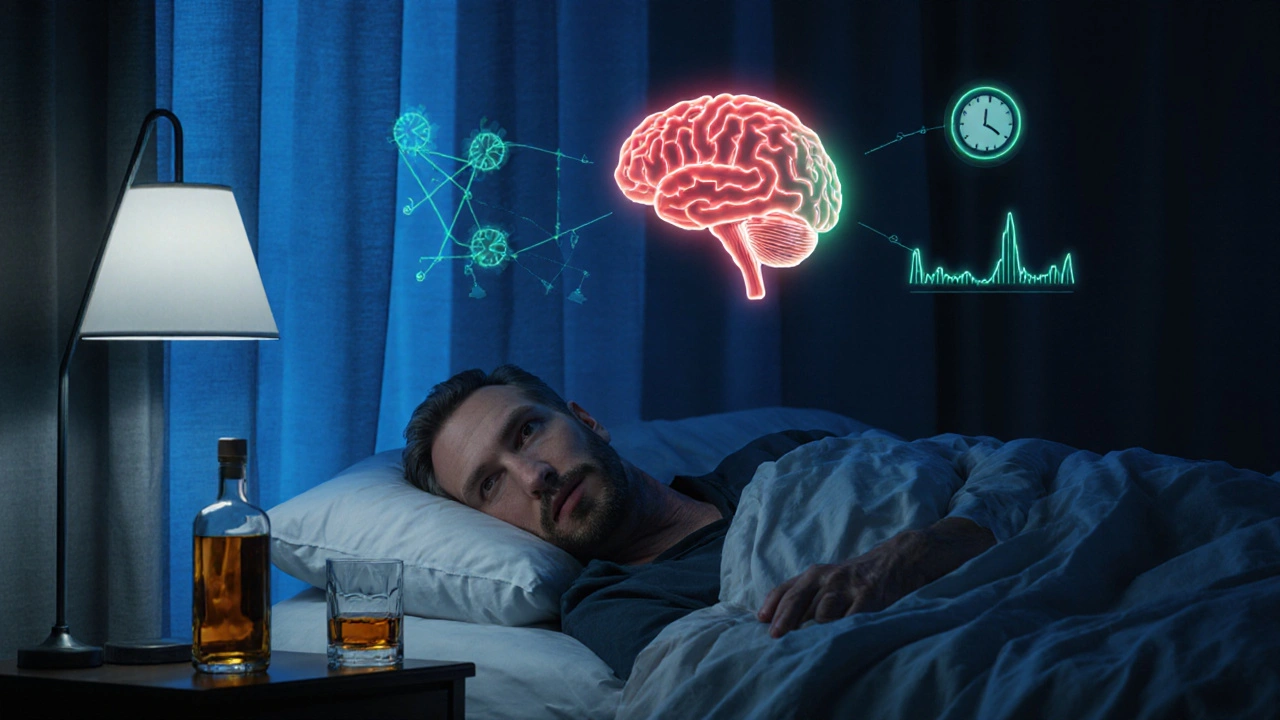
Alcohol-Induced Insomnia Risk Calculator
Answer the following questions about your alcohol consumption and sleep patterns. Based on your responses, we'll calculate your risk of developing alcohol-induced insomnia.
Low Risk (0-5 points): Minimal risk of alcohol-induced insomnia. Continue healthy sleep practices.
Moderate Risk (6-10 points): Some risk factors present. Consider improving sleep hygiene and monitoring drinking habits.
High Risk (11+ points): Significant risk of alcohol-induced insomnia. Recommend consultation with healthcare provider for intervention.
Key Takeaways
- Alcohol dependence syndrome dramatically alters normal sleep architecture, reducing deep‑sleep stages and fragmenting REM.
- Withdrawal and binge‑drinking cycles create a vicious loop that worsens insomnia.
- Objective tools such as polysomnography and sleep diaries help clinicians measure the impact.
- Evidence‑based treatments-CBT‑I, sleep‑hygiene coaching, and selective medications-can restore healthier sleep patterns.
- A simple checklist lets patients and providers spot red‑flags early.
Understanding Alcohol Dependence Syndrome is a chronic medical condition characterized by compulsive alcohol use, tolerance, and withdrawal symptoms. It affects the brain’s reward pathways, especially dopamine and GABA systems, leading to physical and psychological dependence.
When someone drinks heavily night after night, the body learns to lean on alcohol to fall asleep. Over time, the natural sleep‑regulating mechanisms get hijacked, so even a small amount of alcohol can tip the balance toward fragmented, low‑quality rest.
Why Sleep Takes a Hit
Alcohol is a central‑nervous‑system depressant. In the first few hours after consumption, it enhances GABA an inhibitory neurotransmitter that promotes relaxation and the onset of sleep. That sounds good, but the effect is short‑lived. As the blood alcohol level falls, a rebound increase in neuronal firing occurs, leading to awakenings, lighter sleep, and vivid dreams.
Beyond the rebound, chronic exposure reshapes the body’s internal clock. The suprachiasmatic nucleus receives altered signals from the liver and adrenal glands, blurring the line between day and night. The result? A misaligned circadian rhythm that makes it hard to fall asleep at a regular hour.
How Alcohol Alters Sleep Architecture
Normal sleep cycles consist of four stages: N1 (light), N2 (light, with sleep spindles), N3 (deep, slow‑wave sleep), and REM (rapid‑eye‑movement) sleep. In people with alcohol dependence:
- Stage N3 (deep sleep) is reduced by up to 30%, compromising restorative processes like growth‑ hormone release.
- REM latency-the time it takes to enter REM-gets shortened, causing early‑night vivid dreaming and later‑night REM rebound.
- The total amount of REM sleep over the night is fragmented, leading to poor memory consolidation.
These shifts create a feedback loop: fragmented sleep fuels cravings, and cravings drive more drinking.
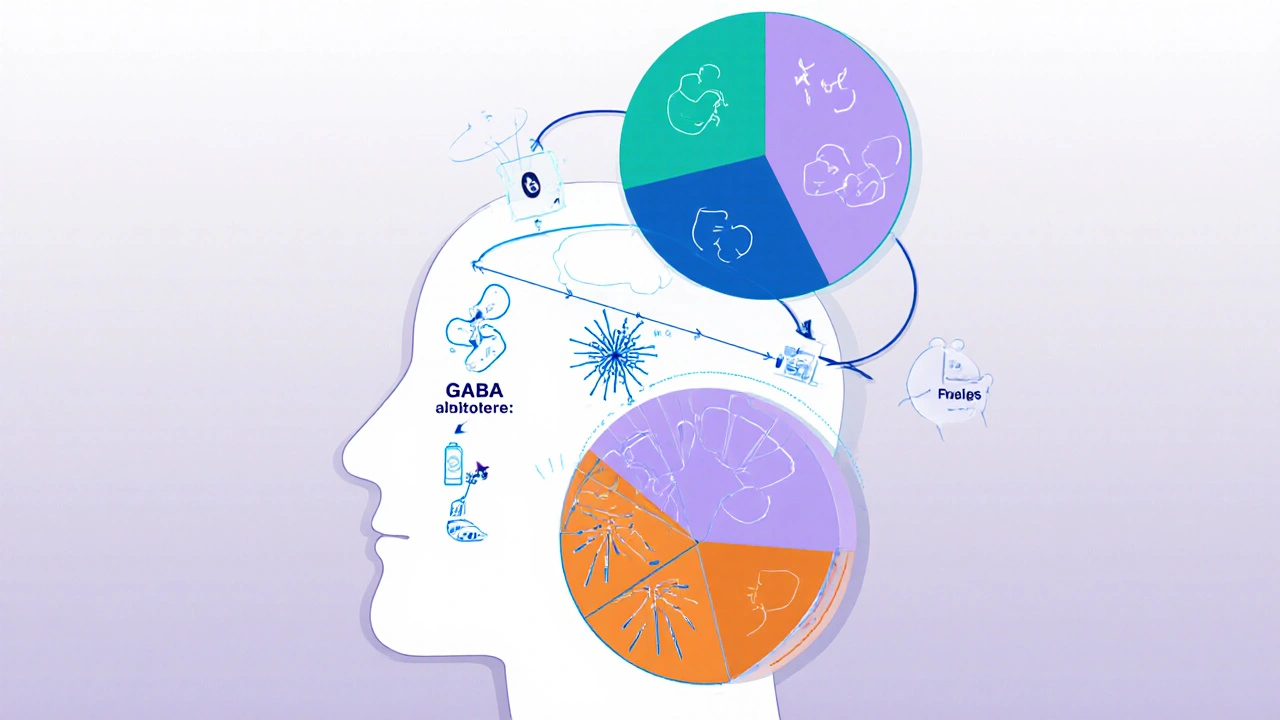
Insomnia Patterns Linked to Alcohol Withdrawal Syndrome the collection of symptoms that appear when a dependent person reduces or stops alcohol intake
Withdrawal typically peaks 24‑72hours after the last drink and brings symptoms that directly sabotage sleep: tremors, sweating, heart‑rate spikes, and heightened anxiety. Night‑time awakening rates can climb from a baseline 15% to over 60% in the acute withdrawal window.
Even after the acute phase, many individuals experience persistent insomnia-known as post‑acute withdrawal syndrome (PAWS). This lingering sleep trouble can last weeks or months, increasing the risk of relapse.
Assessing Sleep Problems in Alcohol Dependence
Clinicians need objective data. Two tools are especially useful:
- Sleep Diary: The patient logs bedtime, wake time, number of awakenings, and perceived sleep quality for at least two weeks.
- Polysomnography an overnight study that records brain waves, eye movements, muscle activity, heart rhythm, and breathing: Provides a detailed picture of how alcohol has reshaped the sleep stages.
Comparing the diary data with polysomnography results helps differentiate alcohol‑induced insomnia from primary sleep disorders such as obstructive sleep apnea.
Evidence‑Based Strategies to Restore Healthy Sleep
There’s no one‑size‑fits‑all cure, but a tiered approach works for most patients.
1. Behavioral Interventions
The gold‑standard is Cognitive Behavioral Therapy for Insomnia (CBT‑I) a structured program that addresses thoughts and habits that worsen sleep problems. Studies show CBT‑I improves sleep efficiency by 15‑20% in alcohol‑dependent populations and reduces relapse rates.
- Sleep‑restriction: limit time in bed to actual sleep time, then gradually extend.
- Stimulus control: associate the bedroom only with sleep and intimacy, not with alcohol or electronics.
- Cognitive restructuring: challenge beliefs like “I can’t sleep without a drink.”
2. Pharmacological Aids
When behavioral methods alone aren’t enough, short‑term use of sleep‑promoting meds can bridge the gap. Preferred options include:
- Low‑dose trazodone (50mg) - minimal abuse potential. \n
- Melatonin (2‑5mg) - helps realign circadian timing.
- Avoid benzodiazepines unless absolutely necessary, as they can reinforce dependence.
3. Managing Alcohol Use Directly
Doesn’t help to fix sleep while the person continues heavy drinking. Integrating medication‑assisted treatment (MAT) such as naltrexone or acamprosate, along with counseling, stabilizes blood‑alcohol levels, which in turn eases sleep disturbances.
Quick Checklist for Patients and Clinicians
| Domain | What to Look For | Action |
|---|---|---|
| Alcohol Consumption | Frequency, quantity, binge episodes | Set a reduction target; consider MAT |
| Sleep Timing | Inconsistent bedtime/wake‑time | Establish a regular schedule |
| Sleep Quality | Sleep onset latency >30min, >3 awakenings/night | Start CBT‑I; keep a sleep diary |
| Withdrawal Symptoms | Tremors, anxiety, night sweats | Medical detox; monitor vitals |
| Co‑morbid Conditions | Depression, PTSD, pain | Integrated psychosocial therapy |
Putting It All Together: A Sample 4‑Week Plan
- Week1 - Baseline: Complete a 14‑day sleep diary, schedule a polysomnography if possible, and begin a low‑dose naltrexone regimen.
- Week2 - Behavioral Reset: Implement stimulus‑control rules, cut evening alcohol, and start nightly melatonin.
- Week3 - CBT‑I Sessions: Attend 2‑hour group sessions focusing on sleep restriction and cognitive restructuring.
- Week4 - Review & Adjust: Compare diary data with polysomnography results, tweak medication if needed, and set long‑term relapse‑prevention goals.
Follow‑up appointments every two weeks for the first three months help keep the plan on track.
Frequently Asked Questions
Can a single night of heavy drinking ruin my sleep for weeks?
Yes. A binge can suppress deep‑sleep stages for up to 48hours, and the rebound REM fragmentation can linger for several nights, especially if you’re already dependent.
Is it safe to use over‑the‑counter sleep aids while cutting back on alcohol?
Most OTC antihistamines (e.g., diphenhydramine) can cause next‑day grogginess and may interact with withdrawal‑related anxiety. Melatonin is a safer first step; always discuss any supplement with your provider.
How does insomnia affect the risk of relapse?
Insomnia spikes craving intensity by up to 40% and reduces the ability to engage in coping‑skill practice. Treating sleep early is a proven way to lower relapse odds.
Do I need a full polysomnography study or is a home sleep test enough?
A home sleep apnea test can screen for breathing‑related issues, but it won’t capture stage‑by‑stage changes that alcohol causes. Polysomnography is preferred when you suspect alcohol‑related architecture shifts.
Can CBT‑I work without complete abstinence?
Yes. CBT‑I focuses on sleep habits, not alcohol intake per se. However, combining CBT‑I with reduced drinking yields the best outcomes.
Understanding the two‑way street between Alcohol dependence and sleep is the first step toward reclaiming restorative rest. By measuring the problem, applying targeted therapies, and addressing the underlying drinking pattern, patients can break the cycle of insomnia and move toward lasting recovery.



Comments (8)
Jerry Ray
This is all well and good but have you ever considered that maybe people just need to learn how to relax without chemicals? I mean, I don't drink and I sleep like a baby. Maybe the real problem is modern life making us too anxious to unwind naturally?
Sophia Lyateva
theyre lying about the melatonin... the gov is putting fluoride in the water to make us sleep worse so we buy more meds... i read it on a forum where a guy said he saw a secret doc in new mexico who said the same thing... also why do all the sleep studies have those weird wires? theyre probably spying on our dreams
AARON HERNANDEZ ZAVALA
I appreciate how this breaks down the science without shaming people. I used to drink to sleep and it was a nightmare. CBT-I didn't fix everything overnight but it gave me back some control. Small steps matter. You're not broken you're just caught in a cycle that's hard to see when you're in it
Lyn James
Let me be perfectly clear: alcohol is not a coping mechanism it is a moral failure disguised as self-medication. Modern society has become a cesspool of weak-willed individuals who mistake chemical escapism for emotional maturity. The fact that you even need a checklist to understand that drinking yourself into insomnia is a sign of spiritual decay speaks volumes. Where is the personal responsibility? Where is the discipline? The ancient Greeks didn't need polysomnography they just held themselves to higher standards. You cannot out-drink your conscience and you cannot out-sleep your shame. This isn't a medical problem it's a character problem.
Craig Ballantyne
The circadian disruption mediated by hepatic GABAergic modulation is well-documented but underappreciated in clinical practice. The proposed tiered intervention model aligns with NICE guidelines for dual diagnosis cases. That said, the omission of chronobiological markers such as dim-light melatonin onset (DLMO) limits the precision of the sleep-wake assessment. Recommend incorporating actigraphy for longitudinal validation.
Victor T. Johnson
Ive been sober 18 months and I still wake up at 3am like clockwork and stare at the ceiling like a ghost haunting my own bed. CBT-I helped but honestly? Its not about techniques its about learning to sit with the silence. Alcohol drowned the noise but the silence was always there. Now I just have to learn to not run from it. 🌱
Nicholas Swiontek
This is so helpful. I showed this to my therapist and we started using the checklist. I cut back on drinking and started taking melatonin and honestly? My sleep is way better. Not perfect but better. Small wins count. Keep sharing stuff like this 🙌
Robert Asel
It is imperative to note that the utilization of trazodone in this context constitutes an off-label pharmacological intervention which, while statistically efficacious in randomized controlled trials, remains subject to significant inter-individual variability in pharmacodynamic response. Furthermore, the assertion that melatonin 'helps realign circadian timing' is an oversimplification of the endogenous circadian pacemaker's neuroanatomical complexity. One must exercise caution against the commodification of sleep hygiene as a panacea.