Tyramine Trigger Checker
How to use: Select a food category below to check its risk level and safety guidelines. Always consult your physician regarding your specific dietary requirements.
Select a category to see detailed safety information.
Click a category to analyze risk factors →
| Food Category | Specific Example | Tyramine Level (approx.) |
|---|---|---|
| Cured Meats | Dry-aged Salami | 95-115 mg/kg |
| Fermented Soy | Miso Paste | 60-85 mg/kg |
| Fermented Veggies | Sauerkraut | 50-75 mg/kg |
| Condiments | Marmite/Yeast Extract | 40-60 mg/kg |
| Alcohol | Vermouth | 50-75 mg/L |
Why Tyramine Causes a Crisis
To understand why these foods are risky, you have to look at how MAOIs work. These medications block the enzyme monoamine oxidase. In a healthy system, this enzyme acts like a cleanup crew, scrubbing tyramine from your body after you eat it. When you block that crew, tyramine builds up. Tyramine is produced through the enzymatic decarboxylation of tyrosine, which happens as proteins break down during aging or fermentation. When too much tyramine hits your system, it forces your body to release a massive amount of norepinephrine. This is what leads to a hypertensive crisis, where systolic blood pressure can soar above 180 mmHg. It isn't just a "bad reaction"-it's a medical emergency that requires immediate intervention.The Hidden Triggers: More Than Just Aged Cheese
Most patients are warned about cheddar, parmesan, and blue cheese, but that's just the tip of the iceberg. If you're navigating an MAOI diet, you need to look at anything that has been "aged," "cured," or "fermented."Processed and Cured Meats
Salami and pepperoni are prime offenders. Because these meats are aged to develop flavor, tyramine levels climb. Smoked fish also carries significant risk, often reaching 75-90 mg/kg of tyramine. If the meat looks artisanal or "dry-aged," it's likely a trigger.The Soy Trap
Fermented soy products are some of the most overlooked dangers. Miso paste and soy sauce are concentrated sources of tyramine. While some clinicians suggest that a single tablespoon of soy sauce might be okay for certain people, many experts, including those at Columbia University, advocate for total avoidance to be safe. Tempeh also falls into this high-risk category.Pickled and Fermented Vegetables
Your gut-health favorites like sauerkraut and kimchi are unfortunately dangerous here. These vegetables undergo a fermentation process that naturally increases tyramine. Even pickled beets can contain enough to trigger a reaction in sensitive individuals.Condiments and Yeast Extracts
Check your pantry for Worcestershire sauce, fish sauce, and concentrated yeast extracts like Marmite. These are often added to dishes in small amounts, making them "hidden" triggers. Even tomato paste, when concentrated, can contribute to the tyramine load.Alcohol and Overripe Produce
Not all drinks are created equal. Draft beer is generally riskier than bottled beer because the prolonged exposure to air during dispensing can increase tyramine levels. Red wine, sherry, and vermouth are also high-risk choices. Then there's the produce. It's not just about fermentation; it's about decay. As fruit over-ripens, the protein breakdown process starts, creating tyramine. Overripe bananas are a classic example of a "healthy" food that can suddenly become a trigger.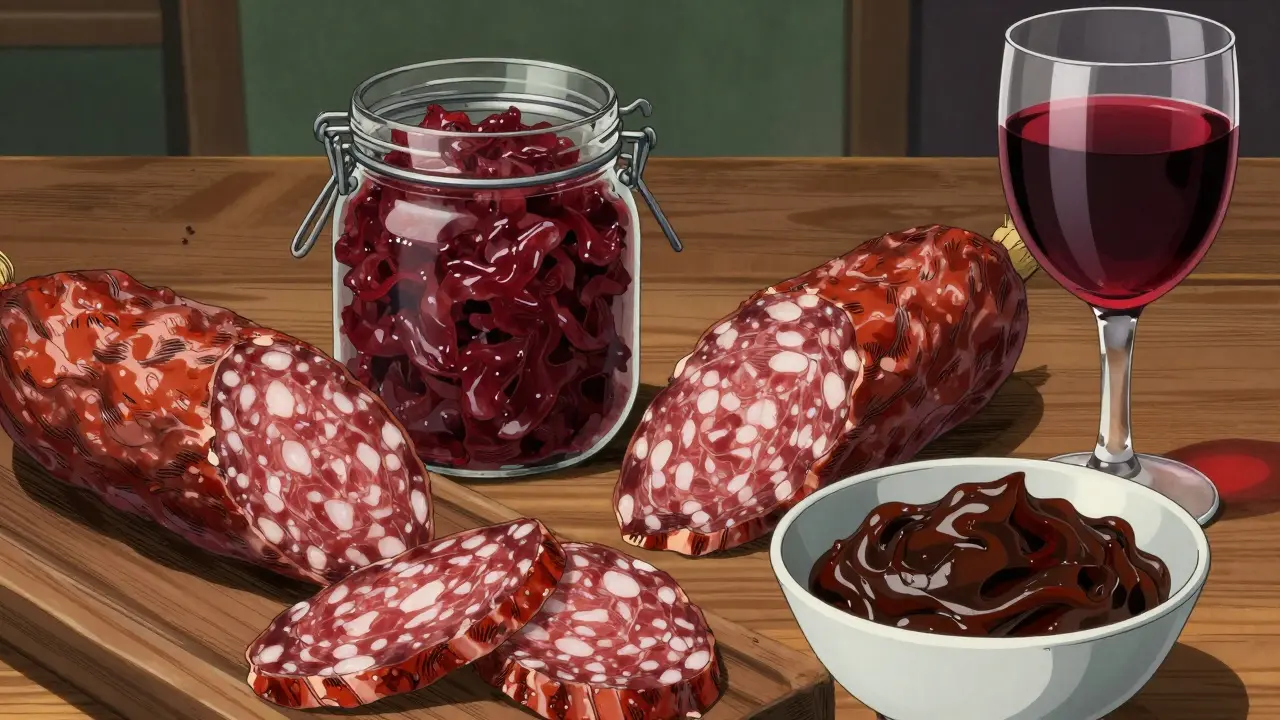
Practical Survival Tips for Dining Out
Eating at restaurants is where most dietary slip-ups happen. A 2022 survey showed that over 24% of MAOI users had a reaction due to cured meats at restaurants. The biggest problem is that many menus don't list hidden ingredients like soy sauce or Worcestershire sauce.- Ask Specific Questions: Don't ask "is this safe?" Instead, ask "does this contain soy sauce, fish sauce, or aged meats?"
- Carry a Warning Card: About 87% of emergency physicians prefer patients to have a standardized MAOI dietary warning card. If you end up in the ER, this card tells the doctor exactly what's happening without you having to explain it while in pain.
- Stick to Fresh: Choose fresh proteins (grilled chicken, steamed fish) and fresh vegetables instead of marinated or cured options.
- Watch the Clock: Remember that tofu, while safe at purchase, can see its tyramine levels jump from 5 mg/kg to 25 mg/kg after just 72 hours in the fridge. Eat fresh tofu quickly.
Managing the Learning Curve
Learning the MAOI diet isn't something that happens overnight. Research suggests it takes most people 8 to 12 weeks to truly get a handle on identifying high-risk foods. It's a mental shift in how you view food-from "is this healthy?" to "how was this processed?" If you're struggling, look for community support. Groups like the MAOI Support Network provide real-time menu analysis and recipe swaps. While the restrictions can feel isolating-with some reporting cancelled social events-the efficacy of these drugs for treatment-resistant depression is often high enough that patients find the trade-off worth it.
The Future of MAOI Safety
We are moving toward a world where these restrictions might be less severe. The FDA has approved tyramine-reducing enzyme supplements like TyraZyme, though doctors are still gathering long-term data. Additionally, transdermal patches like the selegiline patch (Emsam) allow for a higher daily intake of tyramine (up to 10g) compared to traditional oral MAOIs. There is even talk of genetic testing to see who can tolerate more tyramine, which could move us away from a "one size fits all" restrictive diet and toward a personalized nutrition plan.Can I eat any cheese at all while on MAOIs?
Generally, you should avoid aged, cured, or fermented cheeses like cheddar, swiss, and parmesan. However, fresh cheeses that are not aged-such as cottage cheese, cream cheese, and ricotta-are typically considered safe because they haven't undergone the fermentation process that creates tyramine.
How long do I need to stick to the diet after stopping my medication?
The American Psychiatric Association recommends following the high-tyramine food restriction for 14 days after your last dose. This is because it takes time for your body to regenerate the monoamine oxidase enzymes needed to break down tyramine safely.
Is soy sauce completely off-limits?
There is some disagreement among experts. Some believe any amount of fermented soy is too risky, while others suggest that very small amounts (one tablespoon or less) may be tolerated. Because the risk is a hypertensive crisis, the safest approach is to avoid it or consult your psychiatrist for your specific tolerance.
What are the first signs of a tyramine reaction?
The most common sign is a sudden, severe headache, often accompanied by nausea, sweating, and a rapid or pounding heartbeat. If you experience these after eating a fermented food, you should seek medical attention immediately to check your blood pressure.
Does refrigeration make fermented foods safe?
Refrigeration at or below 4°C slows down the production of new tyramine, but it cannot remove the tyramine that is already there. For example, if you buy a high-tyramine salami, putting it in the fridge won't make it safe. However, keeping fresh foods (like tofu) cold prevents them from becoming dangerous over time.




Comments (14)
Rauf Ronald
This is a great breakdown of the risks! I've seen so many people underestimate the 'hidden' tyramine in things like Worcestershire sauce. It's all about the process, not just the food group. Keep your energy up and stay vigilant with those labels, everyone! You've got this!
Nathan Kreider
It sounds really scary to deal with, but it's good we have these lists to help out.
Jay Vernon
The tip about the warning card is a lifesaver! 🛡️ Really smart way to handle emergency situations when you can't speak clearly. Stay safe everyone! 🙏✨
GOPESH KUMAR
Typical medical reductionism. They focus on the tyramine but ignore the systemic failure of modern psychiatry that forces people onto such archaic meds in the first place. It's almost comical how we're told to 'manage' a diet while the industry keeps pushing these high-risk cocktails without better alternatives. Truly a facade of care.
Grace Lottering
Notice how they don't mention which agencies approve these 'enzyme supplements.' Probably just more ways for Big Pharma to control our gut biome.
Danielle Kelley
Exactly! They want us terrified of a bowl of soup so we keep buying their patented 'safe' alternatives. It's all a racket to keep us dependent on the system!
Brady Davis
Oh sure, because eating a banana that's slightly too brown is basically a death sentence now. I can't wait to tell the waiter that my life depends on whether the soy sauce was fermented for three years or four. Truly the peak of human existence.
Darius Prorok
Actually, the 72-hour window for tofu is because of the specific breakdown of proteins into amines in warm environments, not just 'time' in the fridge. People forget that temperature control is the only thing stopping the process.
Jitesh Mohun
listen to the advice on the warning cards its the only way to avoid a mess in the er’ don’t be lazy about your health
Windy Phillips
It is simply tragic... how few people actually possess the discipline to maintain such a regimen... One must wonder if the mental fortitude required for this diet is more curative than the medication itself!!!
Vivek Hattangadi
I really appreciate the mention of the support networks. It can feel so lonely when you have to skip the charcuterie board at a party, but finding people who get it makes a world of difference. If anyone is struggling with recipe swaps, just let us know! We can all help each other figure out the safe alternatives for the holidays.
Michael Flückiger
Stay positive everyone!!! It's just a bit of a learning curve!!! Once you get the hang of it, it's not so bad!!! Just keep pushing forward!!!
Dhriti Chhabra
I believe that providing such detailed guidance is an act of great compassion for those navigating these complex medical requirements. It is heartening to see a comprehensive list that prioritizes patient safety above all else.
shelley wales
For anyone feeling overwhelmed, remember it's okay to take it one meal at a time. You don't have to be perfect on day one. Just be gentle with yourself as you learn these new habits and reach out to your doctor if you're unsure about a specific food. You are not alone in this journey!