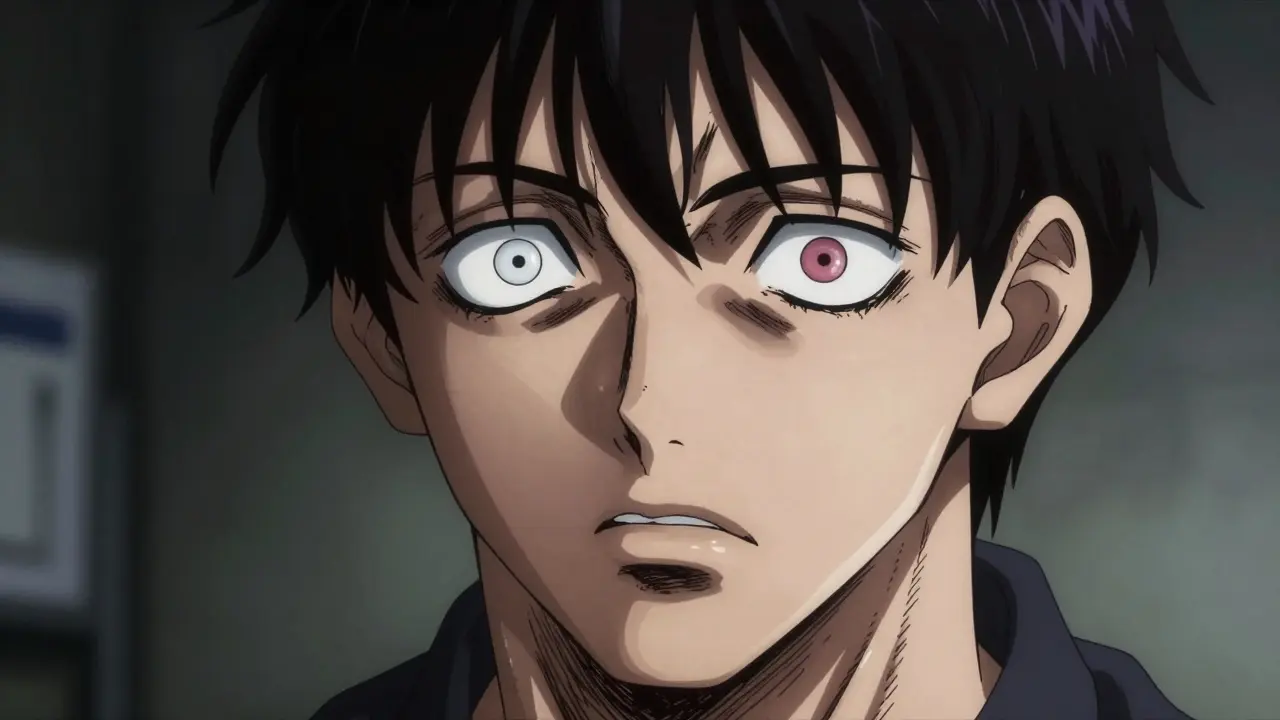
Your eyes feel gritty. Your eyelids look pulled back, giving you a permanent startled expression. Maybe you’re seeing double when you try to read or drive at night. If you have Graves' disease, a condition that causes an overactive thyroid, these aren't just random annoyances-they could be signs of Thyroid Eye Disease (TED). Also known as Graves' orbitopathy or thyroid-associated ophthalmopathy, this is an autoimmune disorder where your immune system mistakenly attacks the tissues around your eyes.
It’s not just about looks. While the bulging eyes (proptosis) are the most visible symptom, TED can cause pain, dryness, light sensitivity, and in severe cases, vision loss due to pressure on the optic nerve. For years, treatment options were limited to steroids with harsh side effects or surgery only after the damage was done. But the landscape has changed dramatically since 2020. New targeted therapies are now available, offering real hope for reducing swelling and restoring function.
What Is Thyroid Eye Disease?
To understand TED, you first need to understand how it starts. It is an autoimmune condition, meaning your body’s defense system gets confused. Instead of fighting off viruses or bacteria, it targets your own healthy tissue. In the case of TED, the immune system produces antibodies-specifically anti-thyroid-stimulating hormone receptor (anti-TSHR) antibodies-that bind to receptors in the muscles and fat behind your eyes.
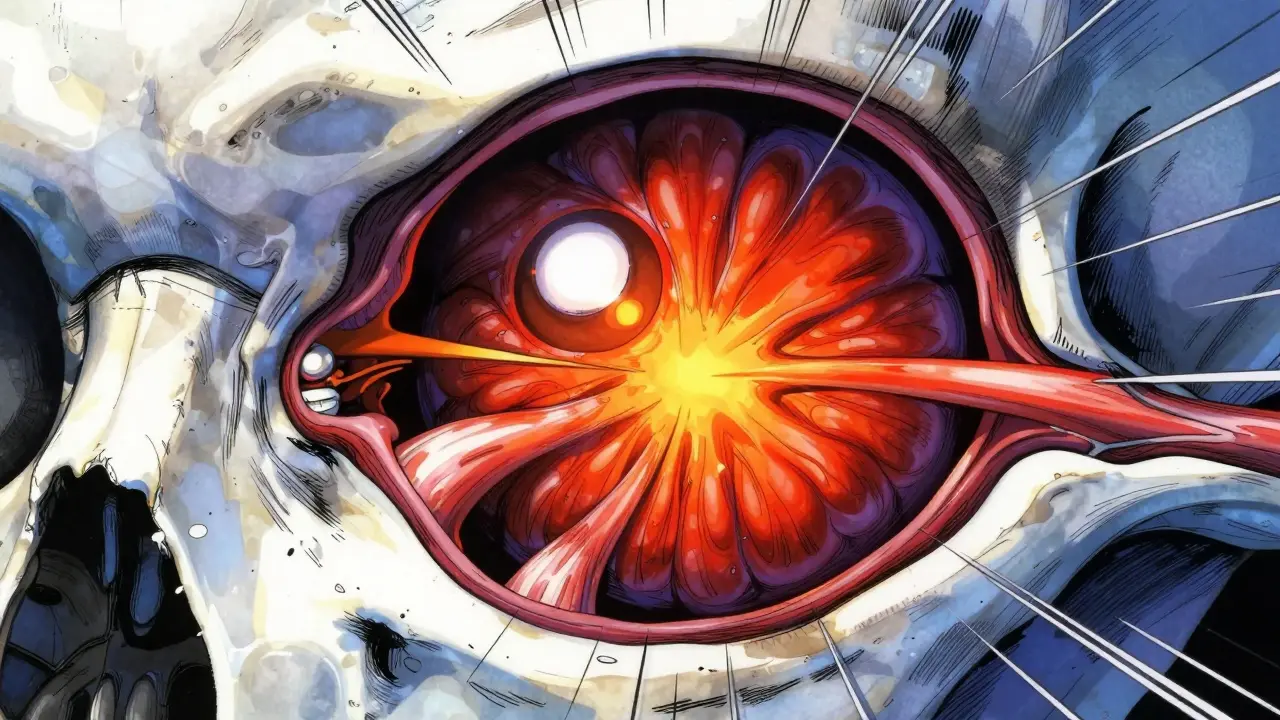
This binding triggers inflammation. The orbital fat expands, and the extraocular muscles (the ones that move your eyes) swell up. Because the eye socket is a rigid bony box, there’s nowhere for this extra volume to go. So, your eyeball gets pushed forward. This is why people with TED often have bulging eyes.
TED is closely linked to thyroid dysfunction. About 90% of TED cases occur in people with hyperthyroidism caused by Graves' disease. However, it can rarely happen in people with hypothyroidism or even normal thyroid levels. According to data from the American Thyroid Association, roughly one in three people with Graves' disease will develop some eye symptoms, usually within the first six months of their thyroid diagnosis.
The disease typically follows a biphasic pattern:
- The Active Phase: Lasting anywhere from one to three years, this stage is characterized by active inflammation, redness, swelling, and pain. This is the window where medical treatments like medications and infusions work best.
- The Inactive (Burned-out) Phase: The inflammation settles down, but the physical changes remain. The fibrosis (scarring) and muscle enlargement persist. Surgery is usually reserved for this phase to correct residual issues like double vision or eyelid retraction.
Common Symptoms of Thyroid Eye Disease
Symptoms vary widely from person to person. Some experience mild irritation, while others face life-altering vision problems. Understanding what to look for can help you seek care earlier, which is crucial for better outcomes.
| Symptom | Description | Prevalence / Impact |
|---|---|---|
| Bulging Eyes (Proptosis) | Eyeballs push forward due to swollen orbital tissues. | Visible sign; affects appearance significantly. |
| Lid Retraction | Eyelids pull back, exposing more of the white part of the eye. | Gives a "staring" or frightened look. |
| Dry or Gritty Eyes | Sensation of sand in the eyes due to poor lubrication. | Affects ~78% of patients; can lead to corneal damage. |
| Double Vision (Diplopia) | Seeing two images because eye muscles are stiff/swollen. | Occurs in ~50% of moderate/severe cases; impacts driving. |
| Pain Behind Eyes | Aching or pressure, especially when moving eyes. | Affects 40-60% of patients during active phase. |
| Light Sensitivity | Discomfort in bright environments. | Reported by 60% of patients. |
| Corneal Exposure | Inability to close eyes fully, leading to dryness/ulcers. | Severe risk in 15-20% of untreated severe cases. |
In rare but serious cases (about 5% of all TED patients), the swelling compresses the optic nerve. This is called compressive optic neuropathy. Early signs include color vision impairment and blurred vision. If left untreated, this can lead to permanent blindness. If you notice sudden changes in color perception or visual fields, seek emergency care immediately.
Diagnosing Thyroid Eye Disease
Getting diagnosed correctly can be tricky. Many primary care doctors initially mistake TED symptoms for allergies, sinus infections, or conjunctivitis. Studies show that nearly half of initial consultations result in misdiagnosis. To get an accurate assessment, you need a team approach involving both an endocrinologist (for your thyroid) and an oculoplastic surgeon or neuro-ophthalmologist (for your eyes).
Diagnosis involves several key steps:
- Thyroid Function Tests: Blood tests check TSH, free T4, and free T3 levels to confirm thyroid status. They also measure anti-TSHR antibody levels, which correlate with disease severity in 75% of cases.
- Clinical Activity Score (CAS): Doctors use a seven-point scale to assess inflammation based on pain, redness, swelling, and tear production. A score of 3 or higher indicates active disease requiring intervention.
- Imaging: Orbital CT or MRI scans are used in 60-70% of moderate-to-severe cases. These scans reveal enlarged extraocular muscles. The medial rectus muscle is affected in 90% of cases, followed by the inferior, superior, and lateral rectus muscles.
- Visual Assessments: Tests include visual field analysis, tonometry (eye pressure), and optical coherence tomography (OCT) to check for optic nerve health.
Treatment Progress: From Steroids to Targeted Therapy
The biggest shift in TED management in recent years is the move away from relying solely on high-dose steroids. While intravenous glucocorticoids (like methylprednisolone) remain a first-line treatment for moderate-to-severe active TED, they come with significant risks, including liver toxicity and glucose intolerance in up to 30% of patients.
Then came Tepezza (teprotumumab). Approved by the FDA in January 2020, this was the first drug specifically designed to treat TED. It works by blocking the insulin-like growth factor-1 receptor (IGF-1R), a key driver of the inflammation and tissue growth in TED.
How Tepezza Works
In clinical trials, Tepezza showed remarkable results compared to placebo:
- Proptosis Reduction: Patients saw a 71% reduction in eye bulging versus 20% in the placebo group.
Vision Improvement: Double vision improved in 68% of patients versus 29% in the placebo group. - Course of Treatment: Most patients receive eight infusions, administered every three weeks.
The OPTIC-X extension study published in 2022 confirmed that 85% of responders maintained their improvement at 48 weeks post-treatment. This suggests Tepezza doesn’t just mask symptoms-it modifies the disease course.
Cost and Access Challenges
Despite its efficacy, access remains a hurdle. As of 2023, a full course of Tepezza costs approximately $44,000 ($5,500 per infusion). Prior authorization denials occur in 35% of initial requests. Additionally, patients must be monitored for side effects. Common issues include muscle cramps (grade 1-2) reported by 65% of users, and hearing impairment (tinnitus or hearing loss) in about 5-12% of cases. The FDA now requires enhanced monitoring for hearing-related adverse events.
Surgical Options
Surgery is generally performed during the inactive phase, once the disease has stabilized for at least six months. The sequence typically follows this order:
- Orbital Decompression: Removes bone or fat from the eye socket to create space for the eyeball to settle back. Endoscopic approaches now account for 65% of procedures due to fewer complications.
- Strabismus Surgery: Adjusts eye muscles to correct double vision. Success rates are 30-40% for complete correction.
- Eyelid Surgery: Corrects lid retraction to improve appearance and protect the cornea. Success rates range from 75-85%.
About 20% of TED patients require multiple surgical interventions across different phases to address sequential issues.
Lifestyle Factors: The Smoking Connection
If you smoke, this is the single most important modifiable risk factor you can control. Research led by Dr. Raymond Douglas at Cedars-Sinai Medical Center shows that smoking increases the risk of developing TED by 7.7-fold. More alarmingly, smokers are twice as likely to develop severe disease and respond poorly to steroid treatments.
Quitting smoking isn’t just good advice; it’s a critical part of your treatment plan. Even if you’ve smoked for years, stopping can improve your response to therapies like Tepezza and reduce the likelihood of needing extensive surgery.
Living with TED: Emotional and Practical Support
TED takes a heavy toll on mental health. A 2022 survey found that 74% of patients experienced anxiety or depression related to their condition. Many report workplace discrimination or embarrassment due to their appearance. Difficulty driving at night due to double vision affects 52% of patients, impacting independence.
Support resources are available:
- Graves' Disease & Thyroid Foundation: Offers a patient navigator program serving 12,000 patients annually.
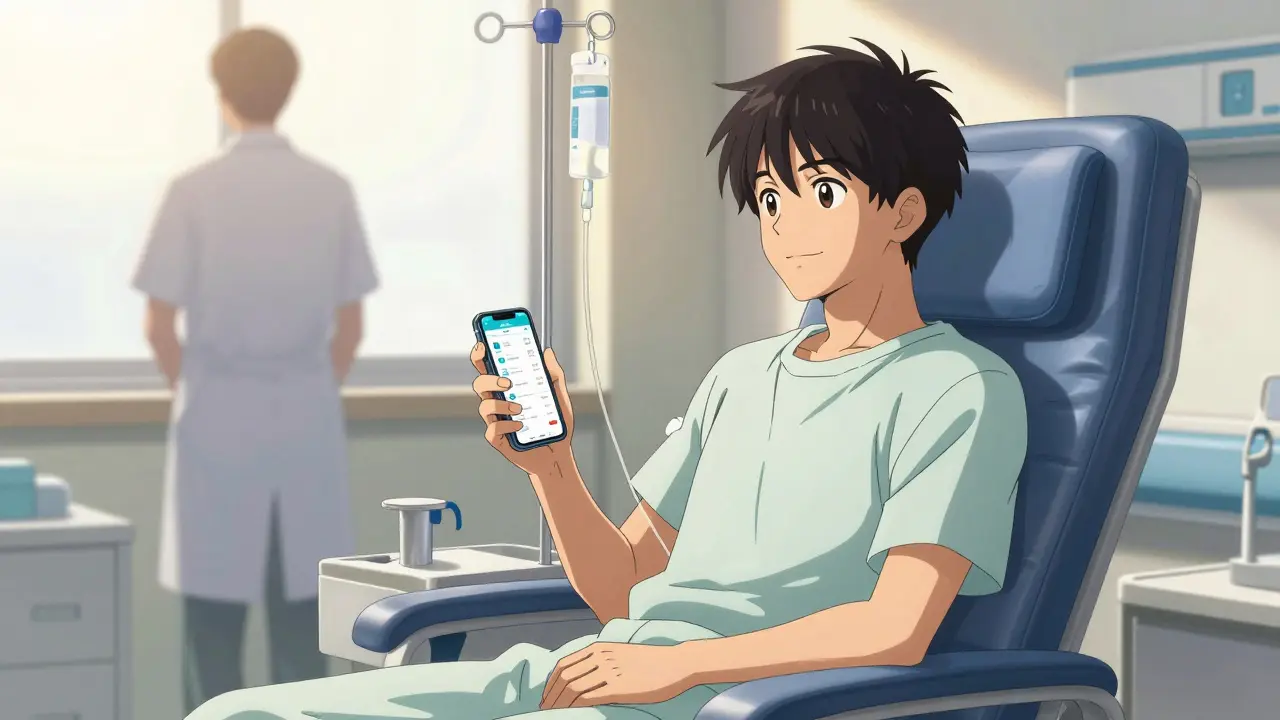
- TED Tracker App: Helps patients monitor symptoms and track Clinical Activity Scores (downloaded 8,500+ times as of late 2023).
- Online Communities: Platforms like Reddit’s r/GravesDisease provide peer support, though always verify medical advice with professionals.
Future Directions in TED Care
The pipeline for new treatments is expanding. Emerging therapies include:
- Rituximab: Currently in Phase 3 trials, showing a 55% response rate in refractory cases.
- Satralizumab: An anti-IL-6 receptor antibody showing promise in the INSPIRE trial with a 52% response rate.
- Pediatric Approvals: The European Medicines Agency approved Tepezza for adolescents as young as 12 in June 2023, based on positive Phase 2 results.
Long-term, researchers are working on vaccines targeting TSHR antibodies to prevent TED before it starts. Until then, early detection and timely intervention remain the gold standard.
Is Thyroid Eye Disease reversible?
While the underlying autoimmune tendency persists, many symptoms are reversible or manageable. Inflammation can be reduced with medications like Tepezza or steroids. Physical changes like bulging or double vision may require surgery for correction. Early treatment during the active phase offers the best chance for significant improvement.
Can I drive if I have Thyroid Eye Disease?
If you experience double vision (diplopia), driving can be dangerous. Many patients report difficulty driving at night. You should consult your doctor before driving. In some cases, patching one eye temporarily helps manage double vision, but this reduces peripheral vision. Always follow local regulations regarding vision requirements for driving licenses.
Does smoking really make TED worse?
Yes, significantly. Smoking increases the risk of developing TED by 7.7 times and doubles the likelihood of severe disease. Smokers also respond less well to steroid treatments. Quitting smoking is considered the most effective lifestyle change to improve prognosis.
How much does Tepezza cost?
As of 2023, a full course of Tepezza (eight infusions) costs approximately $44,000. Insurance coverage varies, and prior authorization is often required. Some patients face denial rates of up to 35% initially. Check with your insurer and hospital financial counseling services for assistance programs.
When should I see a specialist for TED?
If you have Graves' disease and notice any eye symptoms-such as dryness, grittiness, bulging, or double vision-you should see an oculoplastic surgeon or neuro-ophthalmologist within 30 days. Early intervention during the active inflammatory phase leads to better outcomes. Don't wait for symptoms to worsen.
Are there side effects to Tepezza?
Yes. Common side effects include muscle cramps (reported by 65% of users) and gastrointestinal issues. More seriously, hearing impairment (tinnitus or hearing loss) occurs in about 5-12% of patients. Regular hearing tests are recommended during treatment. Discuss these risks with your doctor before starting therapy.
Can children get Thyroid Eye Disease?
Yes, though it is rare. TED can affect children and adolescents with Graves' disease. In June 2023, the European Medicines Agency approved Tepezza for pediatric patients aged 12 and older, following successful Phase 2 trials showing significant reduction in proptosis.
What is the difference between active and inactive TED?
Active TED is the inflammatory phase lasting 1-3 years, marked by redness, swelling, pain, and changing symptoms. This is when medical treatments like steroids or Tepezza work best. Inactive TED is the stable phase where inflammation stops, but physical changes like bulging or double vision remain. Surgery is typically performed during the inactive phase.

Comments (8)
Aswin Narayan J
Look, the smoking stat is wild but honestly half these people are just stressed out from modern life and their immune systems go haywire. You can't blame it all on cigarettes when cortisol levels are through the roof for everyone.
Jennifer Legore
I am so glad this article was shared because understanding the active vs inactive phase is crucial for anyone dealing with this condition! It really helps to know that there is a window of opportunity for treatment :) The Tepezza results are truly promising for restoring quality of life!
Lenny Cruz
The narrative here is dangerously oversimplified. Reducing complex autoimmune pathologies to 'just stop smoking' ignores the genetic predisposition and environmental triggers that actually drive the pathology in non-smokers. It’s intellectually lazy to present lifestyle factors as the primary lever when we are discussing antibody-mediated destruction of orbital tissue. Furthermore, the cost analysis is trivializing the socioeconomic barriers to accessing even basic steroid therapies, let alone monoclonal antibodies. This is not medical advice; it is marketing material disguised as health information.
Alyssa Zucker
I went through the active phase last year and the double vision was terrifying. I couldn't drive at night anymore which made me feel so isolated. It took months of tears and trying different drops before the inflammation settled down enough for surgery. I just wish I had known about the Clinical Activity Score earlier so I could have tracked my symptoms better instead of guessing if I was getting worse or better every day.
Francis Saul
hey guys i think its super important to remember that everybodys journey is diffrent. some people get lucky and dont need surgery while others do. dont be hard on urself if u need help. its ok to ask for support from family or friends during the tough times. take care of yerself first.
Dave Villeneue
Your reliance on anecdotal evidence undermines the statistical significance of the data presented. The correlation between smoking and TED severity is not merely a risk factor but a causal mechanism involving oxidative stress and fibroblast activation. Ignoring this biological reality in favor of emotional narratives is negligent. Patients must understand that compliance with cessation protocols is non-negotiable for therapeutic efficacy.
Rachel Harrypersad
why do we always focus on the physical damage when the soul is what gets crushed by the staring eyes of strangers? the pain is internal long before it becomes external. silence is loud in those moments
Jerry Mathews
It's great to see such detailed info on the new treatments. Everyone has their own experience and it's nice to share them without judgment. Hope everyone finds the right path for their health.