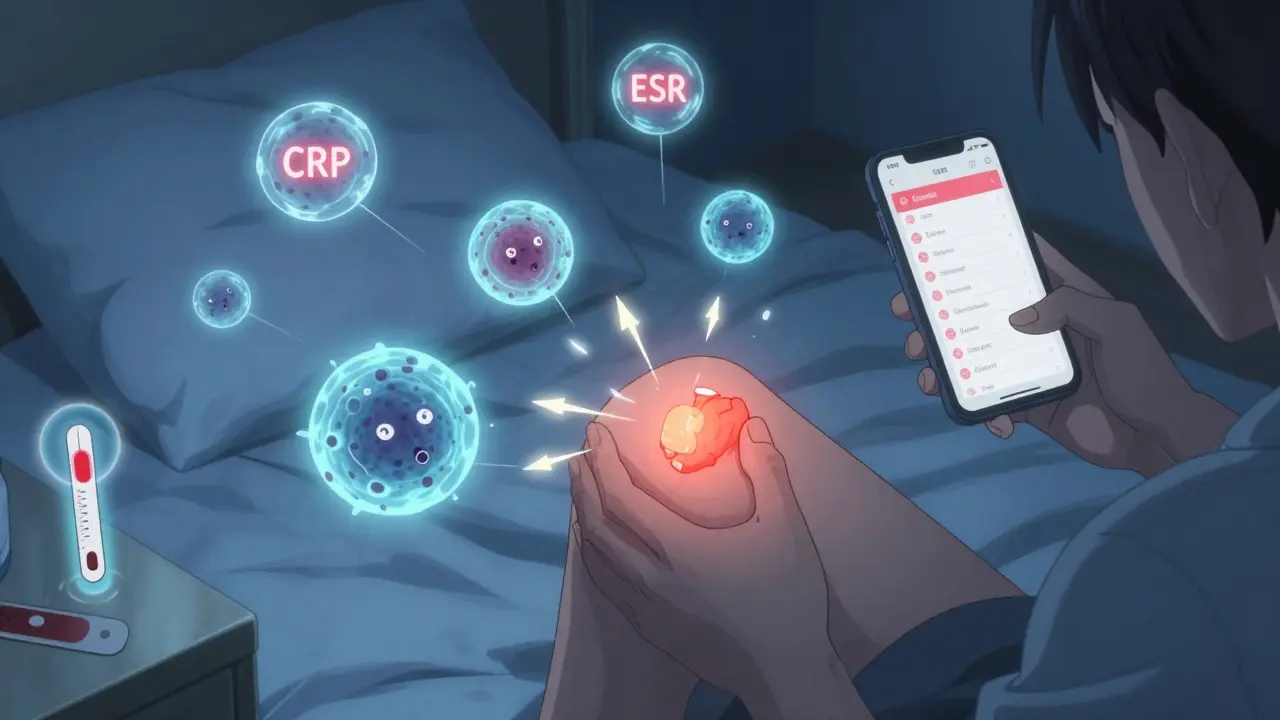
When your body turns against itself, life gets unpredictable. For millions living with autoimmune diseases, a flare isn’t just a bad day-it’s a full-blown crisis that can knock you out of work, cancel plans, and leave you wondering what went wrong. An autoimmune flare is when your immune system, which should protect you, starts attacking your own tissues. This isn’t a minor uptick in symptoms. It’s a surge of inflammation that can make joints feel like they’re on fire, leave you too exhausted to get out of bed, or cause brain fog so thick you forget your own phone number. And here’s the hard truth: flares don’t come out of nowhere. They’re triggered. And if you know what those triggers are, you can often stop them before they start.
What Actually Happens During an Autoimmune Flare?
Think of your immune system like a security team. Normally, it patrols for viruses and bacteria. In autoimmune disease, the system gets confused. It starts seeing your own cells-like joint lining, skin, or nerve coverings-as threats. During a flare, this confusion explodes into action. T cells, which should be peacekeepers, turn into soldiers. B cells crank out autoantibodies that latch onto your tissues. Cytokines, the body’s inflammatory signals, flood the system. The result? Pain, swelling, fatigue, and damage.
Lab tests can confirm this. C-reactive protein (CRP) levels often jump 30-50% above baseline. Erythrocyte sedimentation rate (ESR), another inflammation marker, can climb from under 20 mm/hr to 30-50 mm/hr. In lupus, autoantibody titers may double or triple. But here’s the catch: not all flares show up on bloodwork. The American College of Rheumatology says patient-reported symptoms matter just as much. You might feel terrible even if your labs look fine.
Common symptoms vary by disease. In rheumatoid arthritis, morning stiffness lasting over 45 minutes is a red flag. In lupus, 68% of flares involve joint pain, and 35% bring rashes. Multiple sclerosis flares often mean vision trouble or leg weakness. Inflammatory bowel disease? Bloody diarrhea and cramping. And let’s not forget brain fog-reported by 65% of lupus patients and 72% of users on Reddit’s autoimmune forums. It’s not just tiredness. It’s mental slowness, memory slips, trouble finding words.
The Top 7 Triggers of Autoimmune Flares
Flares don’t happen randomly. Research shows they follow patterns. Here are the seven most common triggers, backed by data from patient registries and clinical studies.
- Stress: Acute stress spikes cortisol, which messes with immune regulation. A 2023 study found stress increases flare risk by 40-60% within 72 hours. It’s not just big life events-work deadlines, traffic jams, or even sleep loss can do it.
- Infections: Viruses and bacteria are the #1 external trigger. Epstein-Barr virus reactivation alone causes 22% of lupus flares. Even a common cold can set off a chain reaction in your immune system.
- Diet: Gluten triggers flares in 99% of celiac patients. High-sodium diets raise MS relapse rates by 30%. Sugar and processed foods fuel inflammation. Some people see big improvements on the Autoimmune Protocol (AIP) diet, which removes common irritants like grains, dairy, and eggs.
- UV Light: Sun exposure causes 45% of cutaneous lupus flares. UV rays activate immune cells in the skin, leading to rashes and systemic inflammation. This isn’t just sunburn-it’s a direct immune trigger.
- Seasonal Changes: Flares spike 37% more in spring and fall. Changes in temperature, humidity, and daylight disrupt circadian rhythms and immune function. Many patients notice patterns: worse in March, better in August.
- Hormonal Shifts: Pregnancy usually calms rheumatoid arthritis-but postpartum? 40% of women have a flare. Estrogen and progesterone swings directly affect immune cell behavior.
- Medication Non-Adherence: Skipping doses causes 28% of preventable flares. Even missing one day of a DMARD or biologic can let inflammation creep back.
And don’t overlook gut health. A 2023 study in Gut found microbial imbalances trigger 22% of Crohn’s disease flares. Your gut bacteria are part of your immune system. When they’re out of whack, so is your body’s balance.
How to Prevent Flares Before They Start
Prevention isn’t about perfection. It’s about reducing risk. Here’s what actually works, based on clinical trials and real-world data.
- UV Protection: A 2022 study with 2,100 lupus patients showed using SPF 50+ sunscreen every 2 hours cut skin flares by 52% over a year. Wear hats. Seek shade. UV rays penetrate clouds and windows.
- Stress Management: Mindfulness-Based Stress Reduction (MBSR) reduced flares by 35% in a 2023 trial. Just 10 minutes of deep breathing or meditation daily helps. Yoga, journaling, or even walking in nature can reset your nervous system.
- Dietary Changes: The AIP diet reduced flare frequency by 42% in rheumatoid arthritis patients. Start simple: cut out sugar, processed foods, and known irritants. Track what you eat and how you feel. Many find relief by eliminating dairy, eggs, or nightshades.
- Vitamin D: Keeping levels above 40 ng/mL lowered MS relapses by 32%. Most people need 2,000-5,000 IU daily. Get your levels checked-it’s not just about bones.
- Medication Adherence: Using smartphone reminders increased compliance by 65% and cut flares by 28%. Set alarms. Use pill organizers. Don’t wait until you feel bad to take your meds.
- Track Your Triggers: The most valuable tip from patients? Track everything. Use an app or notebook. Note sleep, stress, diet, weather, activity, and symptoms. 68% of consistent trackers identified personal triggers within 3 months.
Some people swear by a "Flare First Aid Kit"-a pre-packed bag with ice packs, pain meds, hydration packets, and a list of emergency contacts. One survey found it cut recovery time by 33%.

Early Intervention: The Game Changer
Waiting until you’re bedridden is a mistake. The best way to beat a flare? Catch it early.
Research shows that starting treatment within 24 hours of flare onset cuts hospitalizations by 45% and shortens flare duration by over 6 days. How do you know it’s starting? Look for the "pre-flare" window. A 2023 study found most patients experience subtle signs 2-3 days before full flare: mild joint ache, unusual fatigue, slight headache, or a low-grade fever. These are your early warnings.
Many clinics now use the "Flare First Response" protocol: if you notice these signs, you call your rheumatologist immediately. They may prescribe a short course of steroids or adjust your meds before inflammation spirals. Telemedicine has made this easier. Video visits let you show rashes, describe symptoms, and get advice without waiting weeks for an appointment.
And here’s the future: AI tools like FlareGuard, approved by the FDA in 2023, use wearable data-heart rate variability, sleep patterns, activity levels-to predict flares 72 hours ahead with 76% accuracy. It’s not magic. It’s pattern recognition. Your body gives clues. Learning to read them changes everything.
Disease-Specific Patterns You Should Know
Not all flares are the same. Knowing your disease’s signature helps you spot trouble faster.
- Lupus (SLE): Average of 2.3 flares per year. Joint pain (68%), kidney issues (42%), and rashes (35%) are common. Flares often follow infections or sun exposure.
- Rheumatoid Arthritis: 1.8 flares/year. Morning stiffness over 45 minutes is the most reliable early sign-92% predictive value.
- Multiple Sclerosis: Relapses average 0.6 per year. Vision problems (38%) and leg weakness (45%) are classic. Flares often follow stress or illness.
- Crohn’s Disease: Abdominal pain (87%) and diarrhea (79%) dominate. Flares often link to diet or antibiotics.
- Ulcerative Colitis: Bloody diarrhea (92%) and urgency (85%) are the hallmarks. Stress and gut infections are key triggers.
Tracking your own pattern beats generic advice. One patient noticed every flare happened after eating pizza. Another found her flares spiked after flying. Your triggers are unique.

What Experts Are Saying
Dr. William Robinson from Stanford says, "The key to flare management is recognizing the excitable dynamics of immune networks before they reach threshold for clinical manifestation." Translation? Don’t wait for the explosion. Watch for the sparks.
Dr. Victoria Fragiadakis at UCSF is pushing for "serial immune profiling"-regular blood tests to catch immune changes weeks before symptoms. This could lead to preemptive treatment, not just reaction.
But there’s a warning too. Dr. David Pisetsky cautions against overusing steroids. While they stop flares fast, 65% of patients on frequent steroid bursts develop osteoporosis within 5 years. Steroids are a tool, not a crutch.
And patient voices matter. On online forums, the top complaints? Unpredictable timing (78%), lack of understanding from employers (67%), and difficulty getting timely care (58%). Your flare isn’t "all in your head." It’s real. And you deserve support.
What You Can Do Today
You don’t need to overhaul your life. Start small.
- Get your vitamin D level checked. If it’s under 40 ng/mL, start supplementing.
- Buy SPF 50+ sunscreen and use it daily-even on cloudy days.
- Download a symptom tracker app. Log sleep, stress, diet, and symptoms for 30 days.
- Set a daily reminder to take your medication. No exceptions.
- Learn your disease’s early warning signs. Write them down. Keep them on your phone.
Flares aren’t inevitable. They’re signals. And when you learn to listen, you take power back.