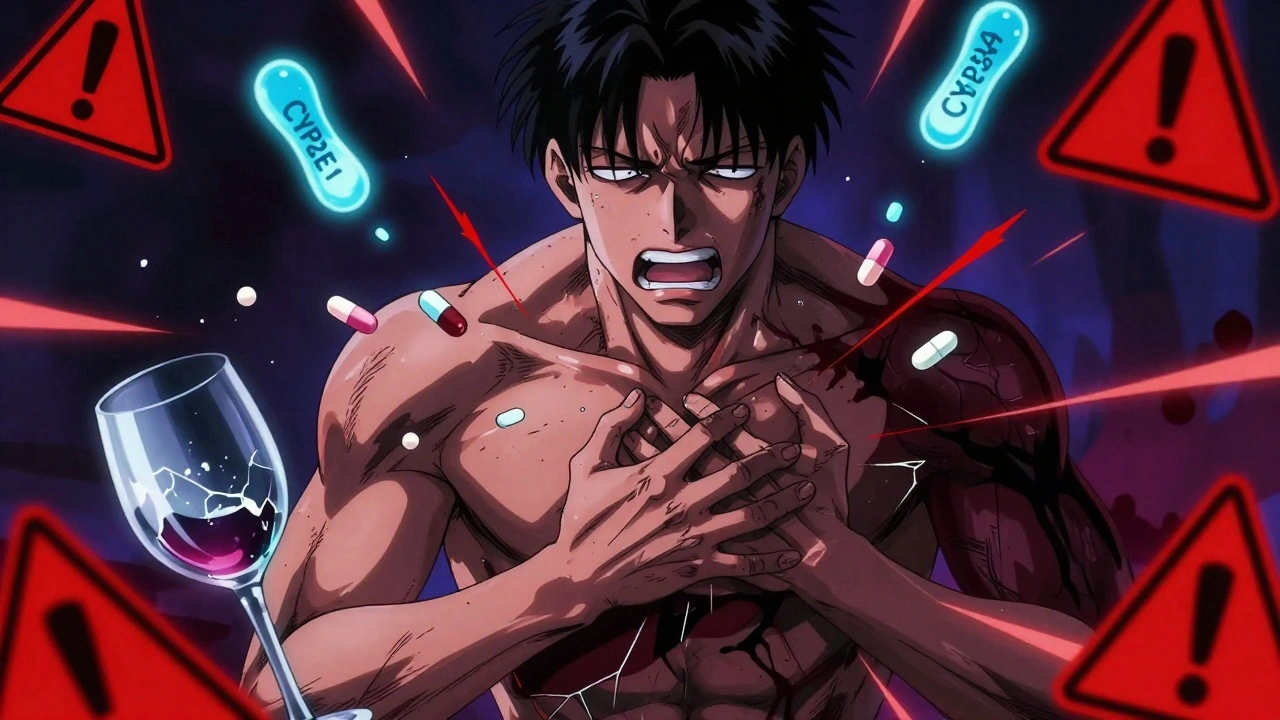
More than 40% of adults in the U.S. take medications that can react dangerously with alcohol. Yet most people don’t realize how risky it can be to have even one drink while on prescription or over-the-counter drugs. This isn’t just about getting drunk faster-it’s about your heart, your liver, your breathing, and sometimes your life.
How Alcohol Changes How Your Medications Work
Alcohol doesn’t just sit there. It fights with your meds for space in your liver. Your liver uses special enzymes-like CYP2E1 and CYP3A4-to break down both alcohol and most medications. When alcohol is in your system, it either slows down or speeds up how fast your body processes your drugs.
If you drink alcohol right after taking a pill, your body might not break down the drug fast enough. That means the drug builds up in your blood, sometimes to toxic levels. For example, mixing alcohol with benzodiazepines like diazepam (Valium) or alprazolam (Xanax) can make you dangerously sleepy. Studies show this combo can increase GABA activity in your brain by 400%, which can slow your breathing to a life-threatening level-even with just a small amount of alcohol.
On the flip side, if you drink alcohol regularly over weeks or months, your liver starts making more enzymes to handle it. That means your meds get broken down too fast. Your painkiller, antidepressant, or blood thinner might stop working like it should. You could end up taking more pills, thinking they’re not working, when really your body is just clearing them out too quickly.
Medications That Are Especially Dangerous With Alcohol
Some drugs are just plain risky when mixed with alcohol. Here are the big ones:
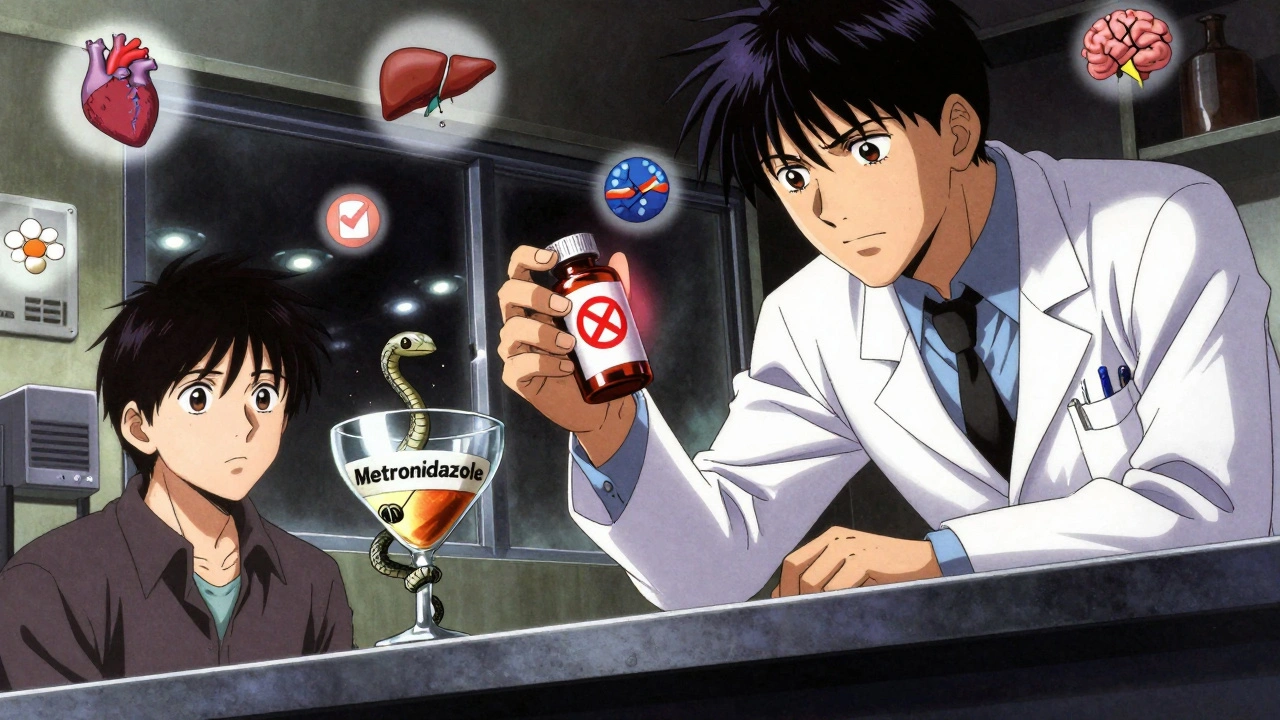
- Antibiotics like metronidazole (Flagyl): One drink can trigger a violent reaction-flushing, vomiting, rapid heartbeat, chest pain. In 92% of cases, even one standard drink causes this. It’s not a myth. It’s science.
- Benzodiazepines and sleep aids: These already make you drowsy. Alcohol doubles or triples that effect. This combo is behind 32% of all alcohol-medication deaths, according to CDC data.
- Opioids: Morphine, oxycodone, hydrocodone-mix them with alcohol and your risk of fatal respiratory depression goes up eightfold. This is why so many overdose deaths involve both alcohol and painkillers.
- Antidepressants (SSRIs like fluoxetine): Alcohol doesn’t cancel out your antidepressant, but it makes you feel more intoxicated. Studies show it can extend the feeling of being drunk by over three hours. It also worsens depression symptoms long-term.
- Acetaminophen (Tylenol): Taking more than three drinks a day while using acetaminophen can cause sudden liver failure. Even one drink a day, long-term, raises liver enzyme levels in nearly half of users.
- NSAIDs like ibuprofen or naproxen: These already irritate your stomach. Add alcohol, and your risk of bleeding ulcers jumps by 300-500%.
- Antihistamines like diphenhydramine (Benadryl): They make you sleepy. Alcohol makes you pass out. This combo has sent people to the ER for falling asleep behind the wheel or choking on their own vomit.
What Counts as a "Standard Drink"?
People think "one drink" means a glass of wine or a beer. But what’s really in that glass matters. A standard drink contains 14 grams of pure alcohol. That’s:
- 12 ounces of regular beer (5% alcohol)
- 5 ounces of wine (12% alcohol)
- 1.5 ounces of distilled spirits (40% alcohol)
Many cocktails, craft beers, and wine spritzers contain two or three times that amount. A single margarita can be 3 drinks in disguise. If you’re told to avoid alcohol with your meds, that means any amount of alcohol-even one drink-is risky.
Why You’re Not Getting Clear Warnings
You’d think your doctor or pharmacist would warn you. But here’s the truth: only 42% of prescription bottles in the U.S. have any alcohol warning on them. A 2021 FDA audit found most labels don’t mention alcohol at all.
And it’s not just the labels. In a 2022 survey, 68% of patients said they were never told by their doctor to avoid alcohol with their meds. That’s not negligence-it’s a system failure. Pharmacists are often the last line of defense. Walgreens data shows that when a pharmacist takes five minutes to explain the risks, 89% of patients change their behavior.
That’s why you can’t wait for someone else to tell you. If you’re on any medication, ask: "Can I drink alcohol with this?" Don’t assume it’s safe. Don’t rely on the label. Ask.
What to Do If You’ve Already Mixed Them
If you’ve had a drink while on medication and feel off-dizzy, nauseous, short of breath, heart racing-don’t wait. Call your doctor or go to the ER. These reactions can escalate fast.
For high-risk meds like metronidazole, even one drink can trigger a reaction within 30 minutes. If you’re starting a new medication that interacts with alcohol, the safest move is to stop drinking for at least 72 hours before your first dose. For drugs like diazepam, which stick around in your body for days, you might need to wait 5 to 10 days after your last drink before taking it.
There’s no safe middle ground with these drugs. If your medication is in the high-risk category, the only safe choice is no alcohol.
How to Stay Safe: Simple Rules
You don’t need to be a scientist to protect yourself. Here’s what works:
- Always ask your pharmacist when you pick up a new prescription. They’re trained to spot these risks.
- Check your meds online. Use trusted tools like the NIAAA’s Alcohol-Medication Interaction Risk Calculator (AMIRC) or GoodRx’s interaction checker.
- Read the patient guide that comes with your prescription. If it doesn’t mention alcohol, ask why.
- Never mix alcohol with sedatives, painkillers, or antibiotics unless your doctor says it’s okay-and even then, be cautious.
- Keep a list of all your meds (including supplements and OTC drugs) and bring it to every appointment.
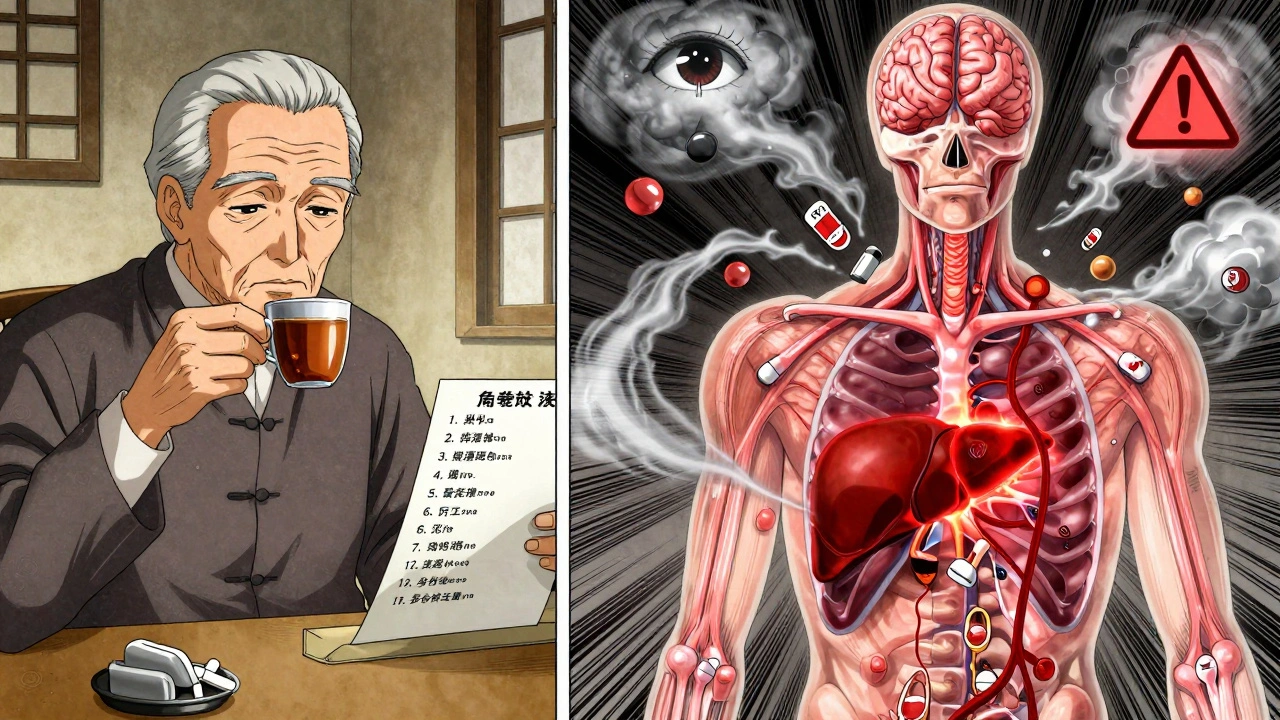
If you’re older than 65, you’re at higher risk. Your liver processes alcohol slower. Your brain is more sensitive to sedatives. The American Geriatrics Society lists 17 medications that are especially dangerous for seniors when mixed with alcohol. If you’re on five or more meds, you’re in the danger zone.
What’s Changing for Patients
Things are starting to shift. Starting in January 2024, the FDA now requires manufacturers of high-risk medications to include pictograms on labels showing alcohol interaction warnings. Telehealth platforms now screen patients for alcohol use before prescribing. Medicare Part D plans must flag potential alcohol-medication conflicts by December 2024.
But until those systems catch up, you’re still your own best protector. No app, label, or doctor will know your habits better than you do. If you drink, be honest. If you’re unsure, skip it.
Real Stories, Real Risks
One patient on Reddit shared: "Took one beer with my metronidazole and ended up in the ER with a heart rate of 180 and vomiting." Another said: "My pharmacist warned me about hydroxyzine and wine. Saved me from passing out at my sister’s wedding." These aren’t rare. They’re common. And they’re preventable.
You don’t have to give up social events. You don’t have to be perfect. But you do have to be aware. One drink might seem harmless. But with the wrong medication, it’s not. It’s a gamble with your health.
Can I have one drink with my medication?
It depends on the medication. For some, like metronidazole or benzodiazepines, even one drink can cause a dangerous reaction. For others, like SSRIs or NSAIDs, one drink might not cause immediate harm but can increase side effects like drowsiness or stomach bleeding. The safest answer is: if you’re unsure, skip it. Always check with your pharmacist.
How long should I wait after drinking before taking my meds?
For most medications, waiting 2-3 hours after your last drink reduces risk. But for drugs with long half-lives like diazepam (Valium), alcohol can still interact for days after you’ve stopped drinking. For high-risk drugs like metronidazole, wait at least 72 hours after your last drink before taking the first dose. When in doubt, err on the side of caution.
Do over-the-counter meds interact with alcohol too?
Yes. Common OTC drugs like Tylenol (acetaminophen), Advil (ibuprofen), Benadryl (diphenhydramine), and cold medicines with alcohol or antihistamines can all cause serious reactions. Tylenol and alcohol together can damage your liver. Benadryl and alcohol can make you pass out. Never assume OTC means safe with alcohol.
Why don’t doctors always warn me about alcohol and meds?
Many doctors don’t ask about alcohol use during appointments. Prescription labels often don’t include alcohol warnings. A 2021 FDA audit found only 42% of prescription bottles have any alcohol interaction notice. It’s not that doctors are hiding information-it’s that the system doesn’t prioritize it. That’s why you need to ask.
Is it safe to drink alcohol while taking antibiotics?
Most antibiotics like amoxicillin or azithromycin are safe with moderate alcohol. But metronidazole, tinidazole, and linezolid can cause severe reactions-even with one drink. Always check the specific antibiotic you’re taking. If you’re not sure, assume it’s unsafe and avoid alcohol until you finish your course.
Can alcohol make my medication less effective?
Yes. Chronic alcohol use can speed up how fast your liver breaks down certain drugs, making them less effective. This is common with antidepressants, blood thinners like warfarin, and some seizure medications. You might think your meds aren’t working, but it’s your drinking that’s reducing their effect.
What should I do if I experience side effects after mixing alcohol and meds?
Stop drinking immediately. If you feel dizzy, nauseous, have chest pain, trouble breathing, or a racing heart, call 911 or go to the nearest ER. These symptoms can worsen quickly. Don’t wait to see if it gets better. It might not.
Final Thought: Your Body, Your Choice
Alcohol isn’t the enemy. But when it shares space with medication, it becomes unpredictable. You can’t control how your body reacts. You can’t guess which meds are safe. You can only choose to be informed.
Ask your pharmacist. Check your labels. Listen to your body. One drink might not kill you-but it might be the one that does. And that’s not worth the risk.

Comments (12)
Angela R. Cartes
Ugh I literally just had a glass of wine with my Zoloft and now I feel like a zombie 🥱. Why does no one warn you? I thought it was fine because it's "just one drink". My pharmacist didn't say anything either. 😒
Andrea Beilstein
The real tragedy isn't the alcohol it's the system that lets us wander through life thinking a pill is just a pill and a drink is just a drink but the body doesn't care about our categories it just reacts and sometimes it dies quietly and no one notices until it's too late
Lisa Whitesel
People who drink while on meds are just asking for it. If you can't follow basic medical advice then why should anyone care if you end up in the ER? You're not a victim you're a liability. 🤷♀️
Larry Lieberman
I had no idea metronidazole and beer = ER trip 😳 I just took a sip at dinner last week and thought I was having a panic attack. Turns out it was the Flagyl. My pharmacist didn't even mention it. 🤦♂️
Sabrina Thurn
The pharmacokinetic interactions here are non-trivial. CYP450 enzyme induction and inhibition create bidirectional metabolic interference that significantly alters pharmacodynamic profiles. Chronic ethanol exposure upregulates CYP2E1 leading to accelerated clearance of substrates like warfarin and SSRIs-potentially inducing therapeutic failure. Concurrent use with CNS depressants like benzodiazepines results in synergistic GABAergic potentiation, increasing respiratory depression risk exponentially. The FDA's new pictogram mandate is a step forward but lacks granularity for polypharmacy patients. Always cross-reference with AMIRC or Lexicomp.
Courtney Black
I used to think alcohol and meds were fine together. I was wrong. I took ibuprofen and had a few drinks at a party. Next thing I know I'm vomiting blood in the bathroom. Spent three days in the hospital. Now I don't touch alcohol if I'm on anything. Not even one sip. Ever.
om guru
Respected sir madam please understand that alcohol is not merely a beverage it is a chemical substance that interferes with the natural balance of the human body. When combined with pharmaceutical agents it creates unpredictable physiological disturbances. It is wise to abstain entirely for the sake of one's health and dignity
Richard Eite
This is why America is falling apart. People can't even follow basic rules. If you're on meds don't drink. Simple. No excuses. If you're dumb enough to mix them then you deserve what you get. We need more warnings and fewer hand-holding articles. Just say no and move on.
Shubham Mathur
I work with elderly patients in India and this is so real. One man took his blood pressure meds and had a beer after dinner. He passed out in the bathroom. His daughter called me. We need education not fear. Tell people why not just what. Many don't know what alcohol does to the liver. They think it's just a party thing. We must teach with compassion not judgment
Stacy Tolbert
I just got diagnosed with anxiety and started on sertraline. My best friend told me to have a glass of wine to relax. I did. I cried for three hours. I felt worse than before. Now I'm scared to even sip water with my pills. I just want to feel normal again.
Ronald Ezamaru
I'm a nurse and I've seen too many patients come in after mixing alcohol and meds. The worst case? A 72-year-old woman on warfarin had two glasses of wine. Her INR spiked to 12. She nearly bled out. No one told her. Her doctor didn't ask. Her pharmacist didn't flag it. It's not the patient's fault. It's the system. Always ask. Always double-check. You're not being paranoid. You're being smart.
Ryan Brady
I'm 28 and I take Adderall. I drink sometimes. No big deal. I've never had a problem. This article is just fearmongering. You people need to chill. One drink won't kill you. 😎