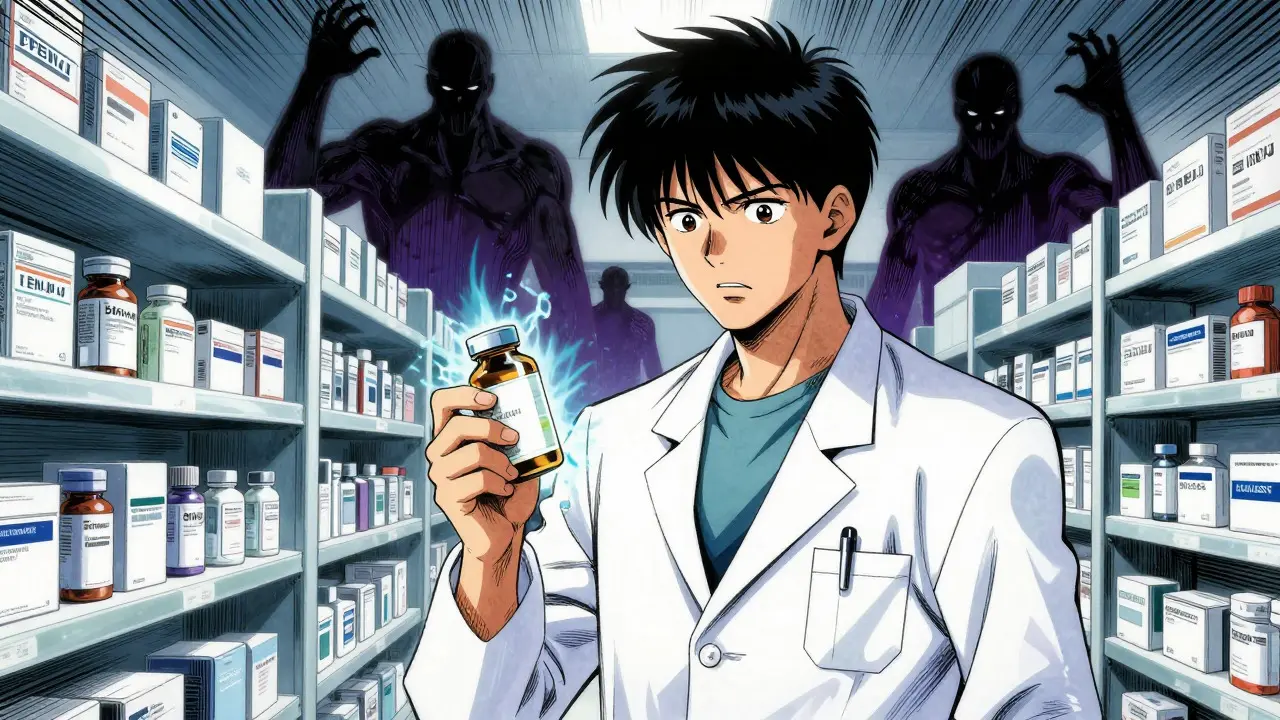
Imagine a patient with multiple sclerosis who has been stable on their medication for three years. Suddenly, the pharmacy switches them to a different manufacturer’s version of the same drug because it is cheaper. The patient takes it, feels dizzy, and stops taking it entirely. This isn’t just a hypothetical scenario; it is a growing reality in specialty pharmacy, a sector defined by high-cost, complex medications that require intense management. As more patents expire and generics-and their biologic counterparts, biosimilars-enter the market, pharmacists are facing a unique set of practice considerations that traditional community pharmacy models simply do not cover.
The core tension here is between cost containment and clinical stability. While generic substitution is the gold standard for saving money in retail settings, applying this logic blindly to specialty care can disrupt fragile treatment plans. For pharmacists, understanding the nuances of bioequivalence, narrow therapeutic indices (NTI), and PBM mandates is no longer optional-it is essential for maintaining patient adherence and safety.
Defining the Specialty Pharmacy Landscape
To understand why generics pose a specific challenge in this space, we first need to define what makes a drug "specialty." According to the Academy of Managed Care Pharmacy (AMCP), specialty pharmaceuticals are typically used for chronic, complex conditions like cancer, HIV, or hepatitis C. They often have high acquisition costs, frequently exceeding $1,000 per month, and require special handling, such as refrigeration at 2-8°C or specialized administration via injection or infusion.
Historically, these drugs were almost exclusively brand-name biologics. However, the landscape shifted dramatically in the 2020s as major patents expired. Today, specialty pharmacies account for roughly 50% of total drug spending despite representing only about 2% of prescriptions. This disparity highlights the financial weight these medications carry. When you introduce generics into this mix, the potential for savings is massive, but so is the risk if not managed correctly.
| Feature | Traditional Community Pharmacy | Specialty Pharmacy |
|---|---|---|
| Generic Substitution Rate | High (90%+) | Low to Moderate (depends on availability) |
| Patient Monitoring | Basic adherence checks | Intensive, longitudinal care coordination |
| Primary Goal | Cost reduction via volume | Clinical outcomes + cost management |
| Drug Type | Small molecule, oral solids | Biologics, injectables, complex formulations |
The Narrow Therapeutic Index (NTI) Challenge
One of the most critical practice considerations involves drugs with a Narrow Therapeutic Index (NTI). These are medications where small differences in blood concentration can lead to treatment failure or severe adverse effects. Examples include levothyroxine for thyroid disorders and certain anti-seizure medications.
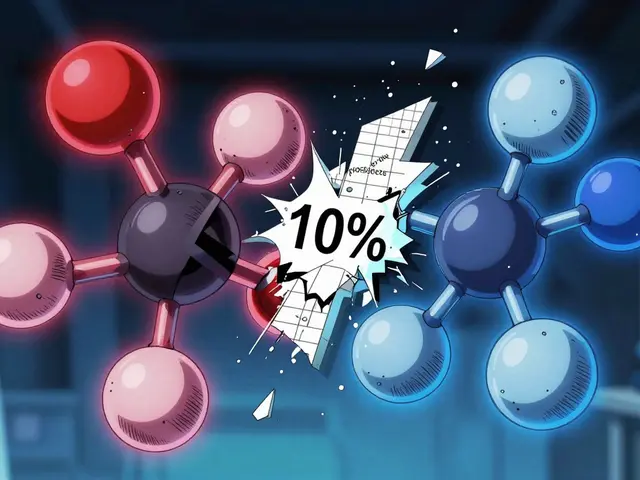
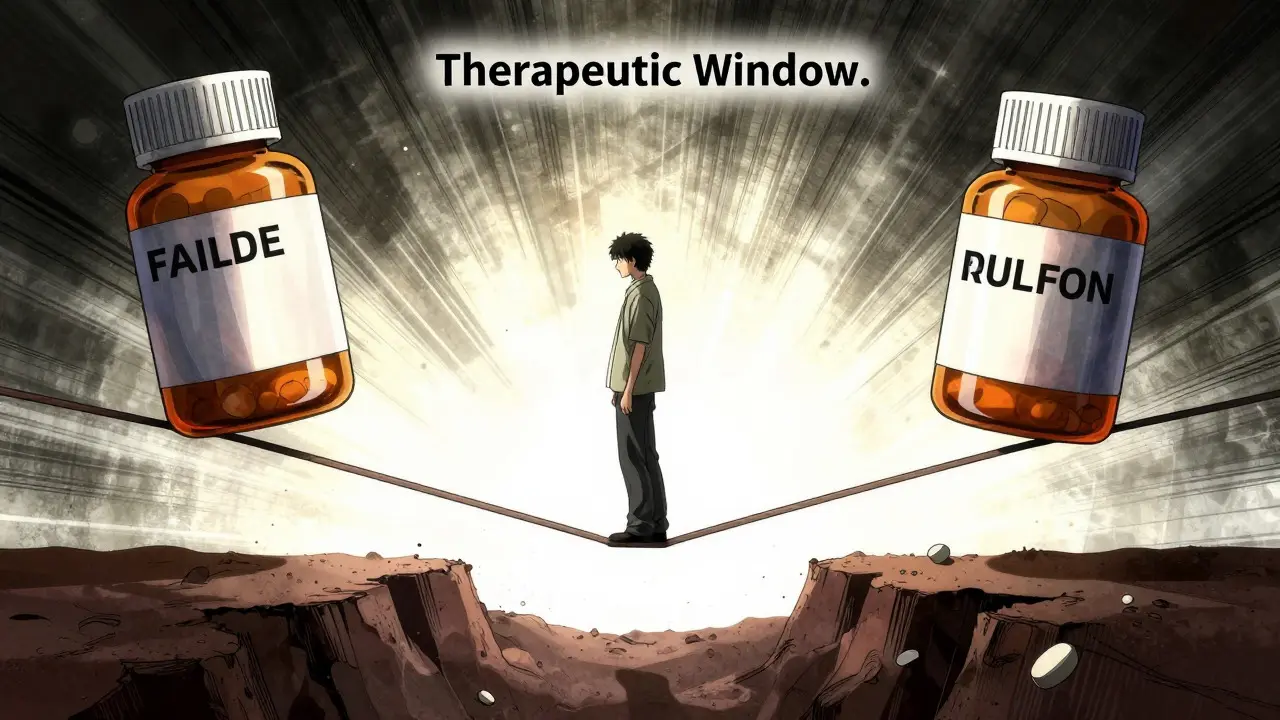
While the FDA requires generic drugs to demonstrate bioequivalence-meaning they deliver the same amount of active ingredient in the same timeframe as the brand-the acceptable range for this equivalence is typically 80% to 125%. For most drugs, this variance is negligible. For NTI drugs, however, even a slight shift within this legal margin can push a patient out of their therapeutic window.
In specialty practice, many clinicians recommend against switching between generic sources once a patient is stabilized. A study published in U.S. Pharmacist (2022) noted that patients switched between different generic manufacturers of levothyroxine often reported side effects, despite pharmacists assuring them of bioequivalence. This creates a difficult workflow for specialty pharmacists: they must balance the PBM’s mandate to use the cheapest available product with the clinical need for consistency. If a pharmacy fails to track which manufacturer supplied a previous dose, the next refill might come from a different source, potentially destabilizing the patient.
Biosimilars: The Biologic Equivalent of Generics
If small-molecule generics are challenging, biosimilars add another layer of complexity. Biosimilars are highly similar biological medicinal products to an already authorized reference biological medicinal product (the originator). Unlike chemical generics, which are identical copies, biosimilars are manufactured using living cells, making absolute identity impossible.
The regulatory pathway for biosimilars was established by the Biologics Price Competition and Innovation Act (BPCIA) of 2009. As of late 2023, the FDA had approved over 35 biosimilars. The introduction of interchangeable biosimilars, such as Semglee for Humalog, allows for pharmacist-level substitution without prescriber intervention in some states. However, adoption has been slower than anticipated due to patent litigation and complex reimbursement structures.
For specialty pharmacists, the key distinction lies in the substitution rules. Not all biosimilars are designated as "interchangeable." Non-interchangeable biosimilars require a new prescription from the provider to switch. This means specialty pharmacies must maintain robust systems to distinguish between interchangeable and non-interchangeable products, ensuring they comply with state laws while managing patient expectations. The Congressional Budget Office estimates that biosimilars could save the U.S. healthcare system $54 billion over the next decade, making their successful integration a priority for payers and providers alike.

PBM Pressures and the Generic Dispensing Ratio
Perhaps the most frustrating operational hurdle for specialty pharmacies is the pressure from Pharmacy Benefit Managers (PBMs). PBMs often measure performance using metrics like the Generic Dispensing Ratio (GDR). In traditional retail, a high GDR is a sign of efficiency. In specialty pharmacy, however, forcing a high GDR can be counterproductive.
Frier Levitt (2023) reported that PBMs sometimes reimburse specialty pharmacies below acquisition cost, squeezing margins further. Worse, some PBMs penalize specialty pharmacies for failing to meet GDR targets even when the pharmacy doesn't dispense generics because none are available for the specific specialty drug being filled. This misalignment creates significant administrative burdens. Pharmacists spend hours appealing denials and negotiating formulary placements rather than focusing on patient care.
To mitigate this, specialty pharmacies are adopting focused generics strategies. Instead of trying to substitute every possible drug, they align preferred generics with evidence-based guidelines and local patterns of care. By standardizing strengths and package sizes, they simplify inventory management and reduce the risk of errors associated with tracking multiple manufacturers for the same product.
Patient Counseling and Adherence Strategies
Finally, the human element cannot be ignored. Patients on specialty medications are often dealing with life-altering diagnoses. When their medication changes appearance due to generic substitution-because inactive ingredients (excipients) vary among manufacturers-they may become confused or anxious. A survey in Specialty Pharmacy Times (2022) found that 78% of respondents cited "managing patient concerns about generic substitutions" as a significant workflow challenge.
Effective counseling is vital. Pharmacists should proactively explain why a change occurred, reassure patients about the quality standards (FDA inspections ensure generics meet the same manufacturing benchmarks as brands), and monitor for any changes in efficacy or side effects. For NTI drugs, close follow-up, including serum drug concentration monitoring where appropriate, is recommended. Building trust through transparent communication helps maintain adherence, which is crucial since adherence rates for specialty therapies can be as low as 60% without proper support.
What is the difference between a generic drug and a biosimilar?
A generic drug is a copy of a small-molecule brand-name drug with identical active ingredients and bioequivalence. A biosimilar is a highly similar version of a biologic drug made from living cells. Because biologics are complex, biosimilars are not exact copies but must demonstrate no clinically meaningful differences in safety, purity, and potency compared to the reference product.
Why are Narrow Therapeutic Index (NTI) drugs risky for generic substitution?
NTI drugs have a very small window between effective dosage and toxic dosage. Even though generics must be bioequivalent (within 80-125% of the brand), slight variations between different generic manufacturers can push a patient's blood levels out of this safe range, leading to treatment failure or side effects.
How do PBMs affect specialty pharmacy generic practices?
PBMs often impose strict Generic Dispensing Ratio (GDR) targets and rebate structures that can force pharmacies to use cheaper generics or biosimilars, even when clinical stability suggests staying on a specific product. This can create conflicts between cost-saving mandates and optimal patient care.
Can patients be switched between different generic manufacturers?
Legally, yes, if they are bioequivalent. However, clinically, it is often discouraged for NTI drugs or sensitive patients. Different manufacturers use different inactive ingredients, which can alter the drug's appearance or cause allergic reactions. Consistency in sourcing is preferred for stability.
What role does the FDA play in ensuring generic quality?
The FDA requires rigorous bioequivalence testing and inspects manufacturing facilities to ensure generics meet the same quality, strength, and purity standards as brand-name drugs. However, critics argue that post-market surveillance for subtle variations between manufacturers could be improved.