Warfarin and Green Tea INR Risk Calculator
Estimate your risk level based on daily green tea consumption while taking Warfarin.
Imagine this: you’re sipping your morning cup of green tea, feeling healthy and refreshed. But if you take Warfarin, a common blood thinner, that simple habit might be quietly messing with your medication’s effectiveness. This isn’t just a minor side note-it’s a real concern for millions of people relying on stable blood clotting levels to stay safe.
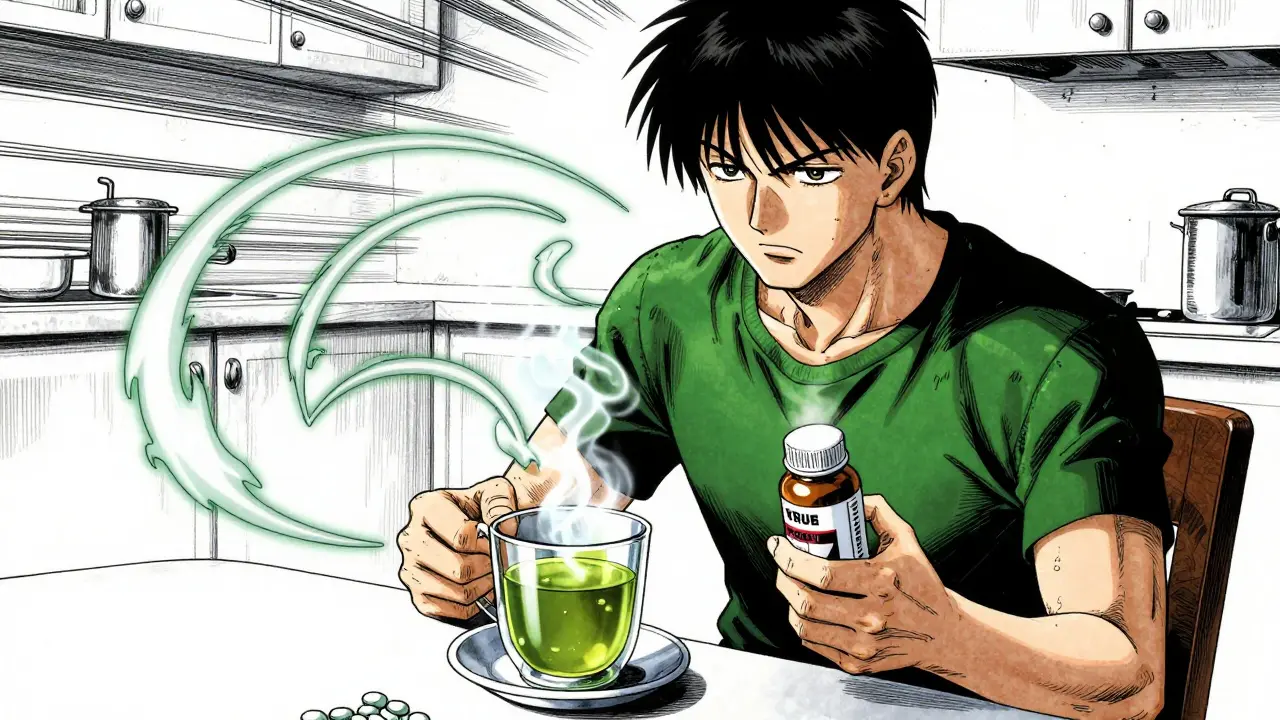
The core issue lies in how green tea interacts with Warfarin (often known by brand names like Coumadin or Jantoven). Warfarin works by blocking the activation of vitamin K-dependent clotting factors in your body. Green tea, however, contains vitamin K. When these two meet, they can create a tug-of-war inside your system, potentially lowering your International Normalized Ratio (INR)-the key measure doctors use to ensure your blood isn’t clotting too fast or too slow.
Why Does Green Tea Interfere With Warfarin?
To understand the risk, we need to look at the biology. Warfarin inhibits an enzyme called VKORC1, which is essential for recycling vitamin K in your liver. Without enough active vitamin K, your body can’t produce certain clotting proteins (Factors II, VII, IX, and X). This keeps your blood from forming dangerous clots.
Green tea comes from the plant Camellia sinensis. While brewed tea has very little vitamin K compared to leafy greens, it still contains some. More importantly, the amount varies wildly depending on how the tea is grown, processed, and prepared. If you suddenly increase your green tea intake, you’re flooding your system with extra vitamin K. This counteracts Warfarin’s job, making your blood clot faster than intended. The result? Your INR drops below the therapeutic range (usually 2.0-3.5), raising the risk of strokes or heart attacks.
However, it’s not that simple. Green tea also contains catechins and caffeine. Some studies suggest catechins might actually inhibit platelet aggregation, which could theoretically enhance bleeding risk. This creates a confusing "dual-action" paradox where green tea might both reduce and increase clotting risks depending on the dominant compound in that specific batch. This inconsistency is why medical guidelines emphasize consistency over avoidance.
Brewed Tea vs. Matcha: The Vitamin K Difference
Not all green tea is created equal when it comes to Warfarin interactions. The preparation method drastically changes the vitamin K content you ingest.
| Preparation Type | Vitamin K per 100g | Risk Level for Warfarin Users |
|---|---|---|
| Brewed Green Tea | ~0.03 μg | Low (if consumed moderately) |
| Dried Green Tea Leaves | 1,428 μg | High (not typically consumed directly) |
| Matcha Powder | Significantly Higher (concentrated leaf) | Moderate to High |
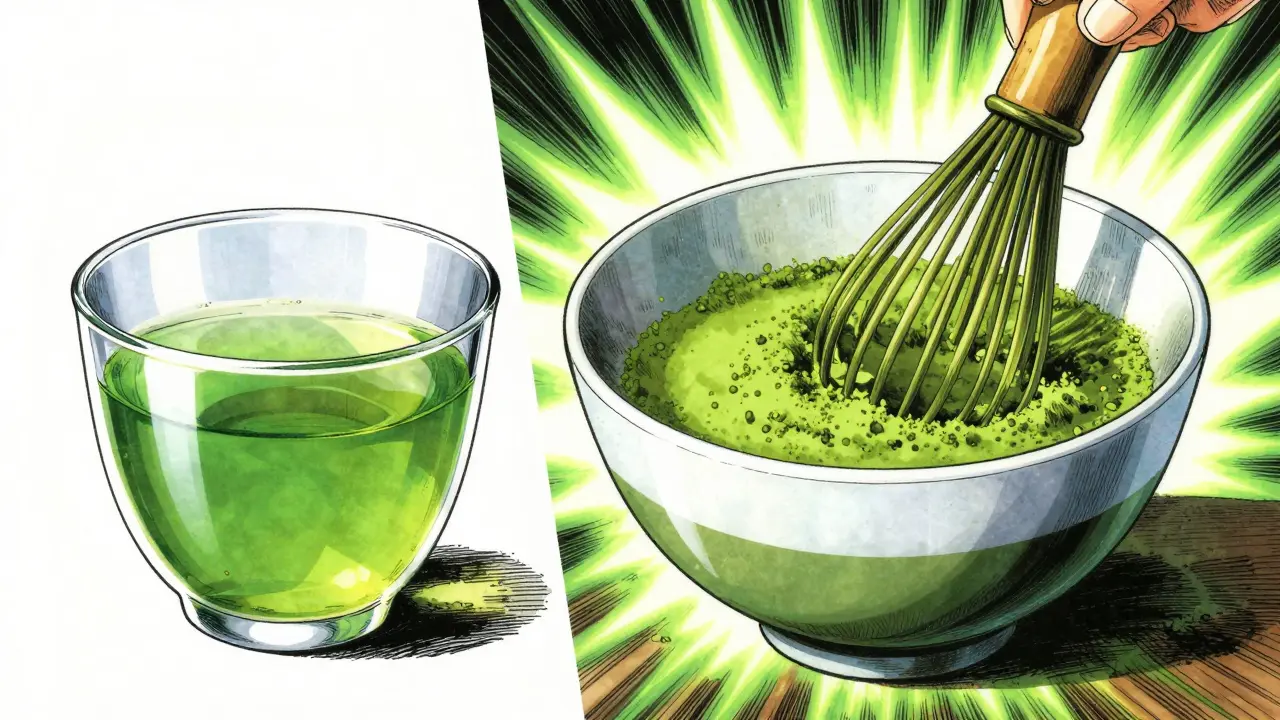
When you brew regular green tea, most of the vitamin K stays in the leaves, resulting in a beverage with negligible amounts (~0.03 μg per 100g). Drinking 1-3 cups daily usually won’t shift your INR significantly. However, Matcha is different. Because you consume the entire ground-up leaf, you ingest 10-20 times more vitamin K than with brewed tea. Dr. Jane Chen, a hematologist at UCSF Medical Center, notes that matcha requires closer monitoring because of this concentrated dose.
A famous case report published in 2006 highlighted this danger. A 44-year-old man drinking 0.5 to 1 gallon of green tea daily saw his INR plummet from 3.79 to 1.37 while on 7.5 mg of Warfarin. His doctor had to adjust his dosage significantly. This extreme example shows that volume matters immensely.
How Much Is Too Much? Defining Safe Limits
So, how many cups are safe? There’s no one-size-fits-all answer, but experts have established practical thresholds based on clinical data.
- Low Risk: Up to 3 cups (720 mL) of brewed green tea per day. Most patients can maintain this level without INR fluctuations, provided their intake remains consistent.
- Moderate Risk: Between 721 mL and 1,500 mL per day. At this level, the American Society of Hematology suggests biweekly INR monitoring to catch any subtle shifts.
- High Risk: Over 1,500 mL (approx. 1.6 quarts) per day. This excessive intake often necessitates a 10-15% increase in Warfarin dosage to compensate for the added vitamin K.
The Mayo Clinic advises that a standard "cup" is 8 ounces (240 mL). Consistency is key. If you drink two cups every day, keep doing that. Don’t switch between zero cups and five cups weekly. Sudden changes in vitamin K intake are what cause dangerous INR spikes or drops.
Comparing Green Tea to Other Dietary Risks
Green tea isn’t the only food or drink that interacts with Warfarin. Understanding how it compares to other common items helps prioritize your dietary concerns.
| Item | Primary Interaction Mechanism | Effect on INR | Recommendation |
|---|---|---|---|
| Green Tea | Vitamin K content | Lowers INR (at high volumes) | Moderation (≤3 cups/day) |
| Cranberry Juice | Inhibits Warfarin metabolism | Raises INR | Limit consumption; monitor closely |
| Ginkgo Biloba | Antiplatelet effects | Raises INR/Bleeding Risk | Avoid unless approved by doctor |
| Spinach/Kale | High Vitamin K concentration | Lowers INR | Keep daily intake consistent |
Unlike cranberry juice, which consistently raises INR by interfering with how your liver processes Warfarin, green tea’s effect is primarily driven by vitamin K. Spinach and kale contain vastly more vitamin K per serving than brewed green tea, so they require stricter consistency rules. However, herbal supplements like Ginkgo Biloba pose a different threat-they increase bleeding risk regardless of vitamin K levels, making them far more dangerous than moderate green tea consumption.

Practical Tips for Managing Your Intake
If you love green tea and take Warfarin, you don’t necessarily have to quit. Here’s how to manage it safely:
- Stick to Brewed Tea: Avoid matcha powder or green tea extracts unless your doctor approves. These concentrated forms deliver unpredictable doses of vitamin K.
- Track Your Consumption: Use a journal or an app like WarfarinWise to log your daily intake. If you exceed 500 mL, set a reminder to check your INR sooner than scheduled.
- Maintain Consistency: Choose a daily amount (e.g., 1 cup in the morning) and stick to it. Do not binge-drink tea during stress or holidays.
- Monitor Cold-Brewed Options: Some evidence suggests cold-brewed green tea may contain slightly less vitamin K than hot-brewed, but the difference is minimal. Treat them similarly.
- Communicate Changes: If you start or stop drinking green tea, tell your anticoagulation clinic immediately. Stopping abruptly can cause your INR to spike dangerously high, as seen in cases where patients quit black or green tea suddenly.
Pharmacists at PeaceHealth report that 42% of Warfarin-related dietary consultations involve green tea. In most cases, simple education resolved the issue without needing dose adjustments, proving that awareness is your best tool.
When to Seek Immediate Help
Be vigilant about signs that your INR is out of balance. If your INR is too low (blood clotting too fast), you risk deep vein thrombosis or stroke. Symptoms include sudden swelling in one leg, chest pain, or difficulty breathing. If your INR is too high (bleeding risk), watch for unusual bruising, nosebleeds that won’t stop, or blood in urine/stool.
If you’ve recently changed your green tea habits and experience these symptoms, contact your healthcare provider immediately. Do not wait for your next scheduled INR test. Rapid assessment can prevent serious complications.
Can I drink matcha while on Warfarin?
You can, but with caution. Matcha contains significantly more vitamin K than brewed green tea because you consume the whole leaf. Limit yourself to small amounts (e.g., half a teaspoon of powder) and inform your doctor. Monitor your INR more frequently if you introduce matcha into your routine.
Does decaffeinated green tea affect Warfarin?
Yes, it can. Decaffeination removes caffeine but not vitamin K. The interaction risk depends on the vitamin K content, not the caffeine. Therefore, decaf green tea should be treated the same as regular green tea regarding moderation and consistency.
How quickly does green tea affect my INR?
Changes can occur within days. Vitamin K from green tea is absorbed within 3-6 hours. If you significantly increase your intake, your INR may drop noticeably within 3-5 days. Conversely, stopping green tea can cause your INR to rise within a week.
Is bottled green tea safe for Warfarin users?
Bottled teas vary widely in concentration and additives. Check the label for vitamin K content if available, but generally, assume it contains similar levels to brewed tea. Be wary of energy drinks or detox blends labeled as "green tea," as they may contain higher concentrations or other interacting herbs like ginkgo.
Should I switch to newer blood thinners to avoid this interaction?
Newer anticoagulants like apixaban or rivaroxaban do not interact with vitamin K, making them easier to manage with diet. However, they are not suitable for everyone, particularly those with mechanical heart valves or severe kidney disease. Discuss switching options with your cardiologist or hematologist; never change medications on your own.