Imagine your heart is a high-performance engine. Sometimes, it runs perfectly fine while idling in the driveway but sputters when you hit the highway. That’s exactly why doctors use two different tools to check on your cardiac health: the Electrocardiogram (ECG) is a non-invasive test that records the electrical activity of the heart at rest, also known as an EKG. It tells us how the engine behaves when it’s parked. The Stress Test is a diagnostic procedure that evaluates heart function during physical or chemical exertion. This one checks what happens when you step on the gas.
If you’ve been told you need one of these tests, you might be feeling a mix of curiosity and anxiety. That’s normal. But understanding what these tests actually do-and why they’re different-can take the mystery out of the process. Let’s break down how these cardiovascular diagnostic tests work, what they reveal about your heart, and what you can expect when you walk into the clinic.
What Is an ECG and Why Is It the First Step?
The ECG is the bread and butter of cardiology. Developed by Dutch physiologist Willem Einthoven in 1903, this simple yet powerful tool has become the standard for initial heart screening. It doesn’t hurt, it doesn’t involve needles, and it takes only about three to five minutes to perform.
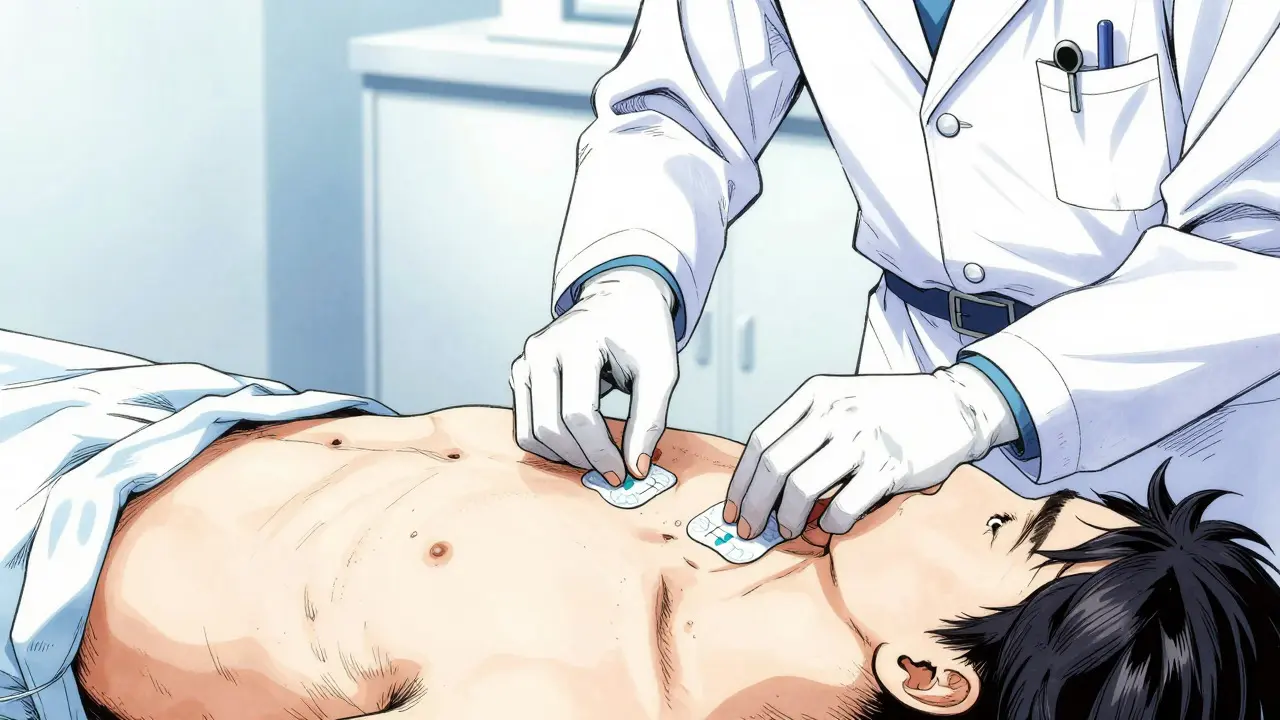
Here’s how it works: A technician places small sticky electrodes on your chest, arms, and legs. These sensors pick up the tiny electrical signals your heart generates every time it beats. Those signals are translated into a graph with waves and spikes that cardiologists read like a map. If there’s an irregularity in the rhythm, a sign of a past heart attack, or evidence that blood flow is restricted, the ECG will often show it.
However, the ECG has a major limitation. It only captures a snapshot of your heart’s electrical activity at that exact moment. If your heart functions normally while you’re sitting still but struggles when you’re active, a resting ECG might look completely healthy even if you have underlying issues. This is where the stress test comes in.
How Does a Stress Test Reveal Hidden Heart Problems?
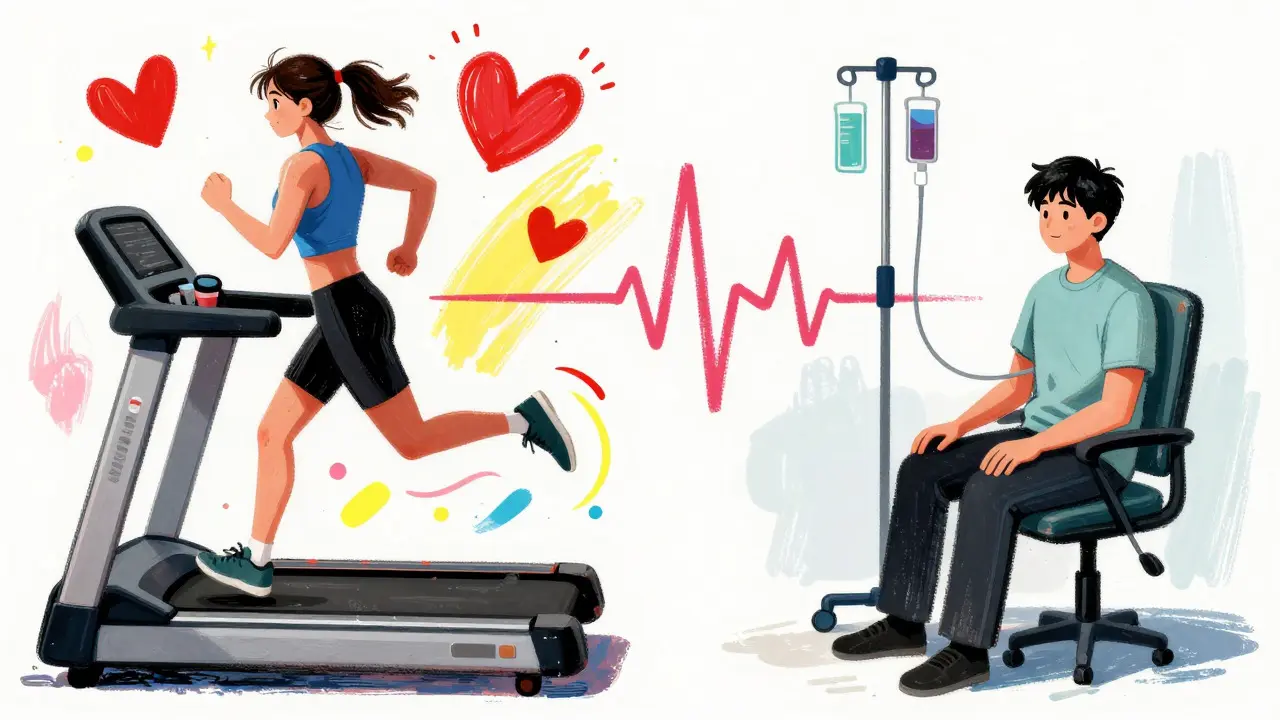
A stress test, formally known as an exercise electrocardiogram, pushes your heart to work harder than it does at rest. The goal is to see if your heart muscle gets enough oxygen-rich blood during increased demand. Most people think of running on a treadmill, but the test can also involve a stationary bike or medication if you can’t exercise.
During the test, you’ll wear the same ECG electrodes as before. As you start walking or cycling, the intensity increases gradually. The most common method used is the Bruce protocol, which starts at a slow pace with a slight incline and ramps up every three minutes. Your doctor monitors four key things:
- Heart Rate: Measured in beats per minute to ensure it reaches a target level (usually 85% of your age-predicted maximum).
- Blood Pressure: Checked regularly to see how your vessels respond to stress.
- ECG Readings: Looking for changes in the waveform that suggest ischemia, which means your heart isn’t getting enough oxygen.
- Symptoms: Watching for chest pain, shortness of breath, or dizziness.
This dynamic approach helps diagnose coronary artery disease (CAD), identify silent heart attacks, and detect structural abnormalities that a resting ECG misses. According to data from the American College of Cardiology, over 11 million stress tests are performed annually in the United States because they provide critical insights that static tests cannot.

Exercise vs. Chemical Stress Tests: Which One Is Right for You?
Not everyone can run on a treadmill. If you have severe arthritis, balance issues, or recent leg surgery, an exercise stress test might not be feasible. In those cases, doctors use a chemical (or pharmacological) stress test.
Instead of physical movement, medications like adenosine, dipyridamole, or dobutamine are injected into your vein. These drugs mimic the effects of exercise by widening your blood vessels or increasing your heart rate. While the test itself is shorter in terms of physical effort, it can last 30 to 60 minutes due to the time needed for the medication to take effect and wear off.
Patient experiences vary widely between the two. Some people find the treadmill test surprisingly easy, lasting 12 minutes or more without issue. Others report that chemical agents cause uncomfortable side effects like flushing, dizziness, or a feeling of chest pressure. However, technicians are trained to manage these reactions, and the sensations usually pass quickly once the medication clears your system.
| Feature | Exercise Stress Test | Chemical Stress Test |
|---|---|---|
| Method | Treadmill or Bike | Intravenous Medication |
| Duration | 10-15 minutes | 30-60 minutes |
| Best For | Patients who can exercise moderately | Patients with mobility issues or arthritis |
| Side Effects | Fatigue, muscle soreness | Flushing, dizziness, chest discomfort |
| Preparation | Wear comfortable clothes/shoes | Avoid caffeine for 24 hours |
Accuracy and Limitations: What the Data Says
No medical test is perfect, and it’s important to understand the strengths and weaknesses of each option. Standard ECG stress testing has a sensitivity of about 68% and a specificity of 77% for detecting coronary artery disease. This means it correctly identifies most cases but can sometimes miss them (false negatives) or flag healthy hearts as problematic (false positives).
One significant limitation involves women. Research indicates that ECG stress testing has higher false-negative rates in premenopausal women due to differences in cardiac physiology and coronary microvascular function. Because of this, many experts now recommend adding imaging to the stress test for female patients.
Imaging-enhanced tests offer greater accuracy. Stress echocardiography, which uses ultrasound to visualize heart motion during stress, boosts specificity to around 88%. Nuclear stress testing, which uses radioactive tracers to show blood flow, offers even higher sensitivity at approximately 85-89%. However, nuclear tests involve radiation exposure equivalent to several years of natural background radiation, so doctors weigh the benefits against the risks carefully.
Preparing for Your Test: Practical Tips
Proper preparation ensures accurate results and a smoother experience. Here’s what you need to know before your appointment:
- Avoid Caffeine: If you’re having a chemical stress test, stop consuming coffee, tea, soda, and chocolate 24 hours beforehand. Caffeine can interfere with the medications used in the test.
- Dress Comfortably: Wear loose-fitting clothing and supportive shoes suitable for walking or light jogging.
- Eat Lightly: Avoid heavy meals two to three hours before the test to prevent nausea during exercise.
- Bring Your Medications: Inform your doctor about all current prescriptions. Some heart medications may need to be paused temporarily.
Most facilities provide preliminary results before you leave, allowing you to discuss next steps immediately. If the results are inconclusive or abnormal, your doctor may order additional tests like a CT angiogram or cardiac MRI to get a clearer picture.
Future Trends in Cardiac Diagnostics
Cardiology is evolving rapidly. Artificial intelligence algorithms are now being integrated into stress test interpretation, improving accuracy by up to 22% compared to traditional methods. Portable devices are also emerging, allowing stress testing in non-traditional settings with high agreement to standard treadmill results.
Despite these advancements, stress testing remains a cornerstone of cardiac care. Guidelines from the American Heart Association and European Society of Cardiology continue to endorse its use for evaluating chest pain and assessing risk in intermediate-probability patients. As technology improves, we can expect fewer false alarms and more personalized diagnostic pathways tailored to individual patient needs.
Does an ECG show blocked arteries?
A resting ECG can sometimes show signs of reduced blood flow or past damage caused by blocked arteries, but it is not definitive for diagnosing blockages. An ECG primarily measures electrical activity. To directly assess blockages, doctors often use stress tests, CT angiograms, or invasive coronary angiography.
Is a stress test dangerous?
Stress tests are generally safe when performed under medical supervision. Serious complications like heart attacks are rare, occurring in less than 1 in 10,000 tests. Doctors screen patients thoroughly beforehand to ensure they are stable enough for the procedure.
How long does it take to get results from a stress test?
In most cases, you will receive preliminary results immediately after the test. The technician and doctor review the data together while you are still at the facility. Final detailed reports may take a few days to compile, especially if imaging was involved.
Can I drive home after a stress test?
If you had an exercise stress test, you can usually drive home unless you feel dizzy or weak. However, if you received chemical stress agents, it is recommended to have someone drive you because the medications can cause temporary dizziness or fatigue.
Why would my doctor order both an ECG and a stress test?
Doctors often start with a resting ECG as a baseline. If symptoms persist or risk factors exist, a stress test provides deeper insight into how your heart performs under load. Together, they offer a comprehensive view of both electrical stability and functional capacity.